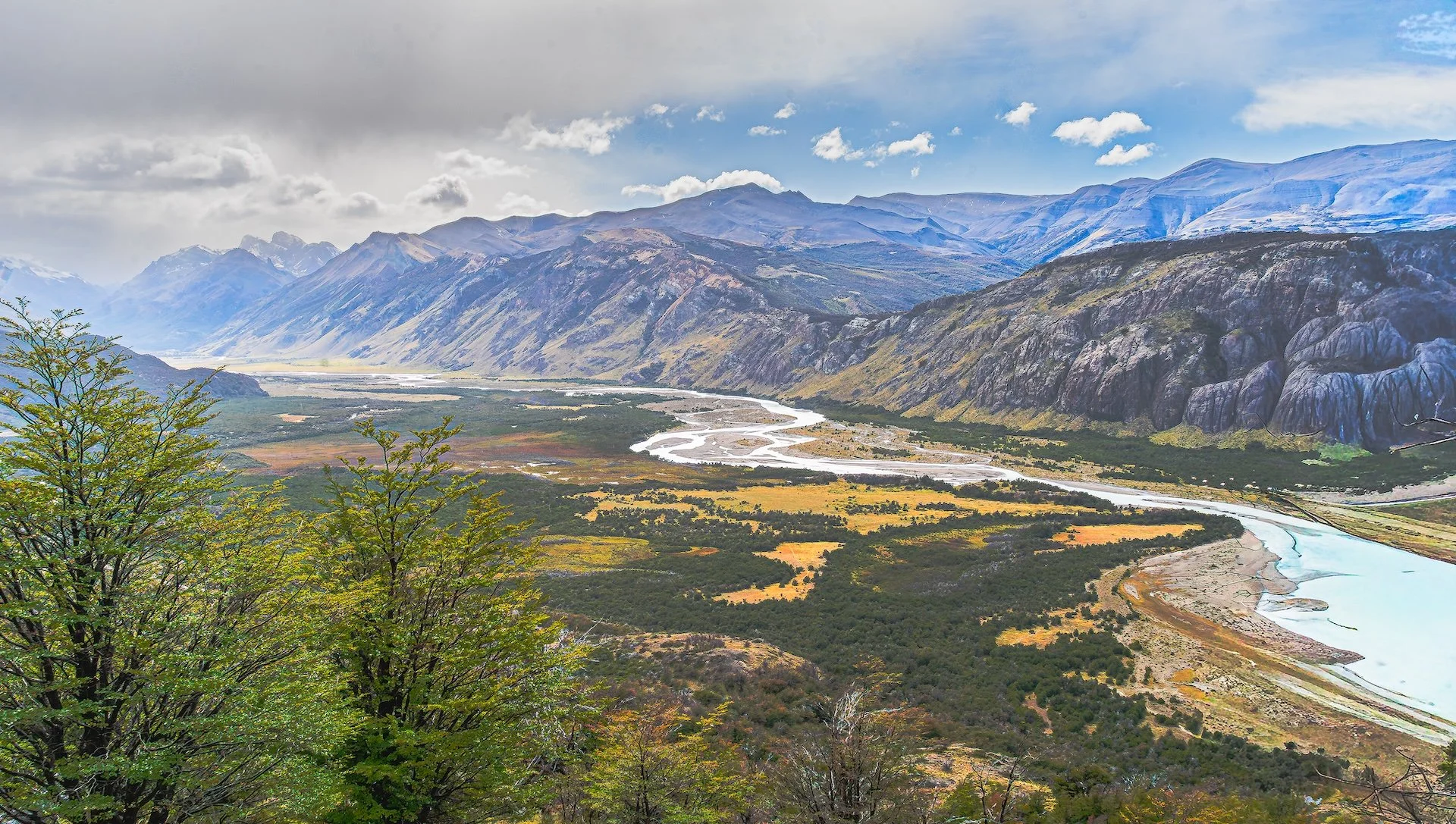
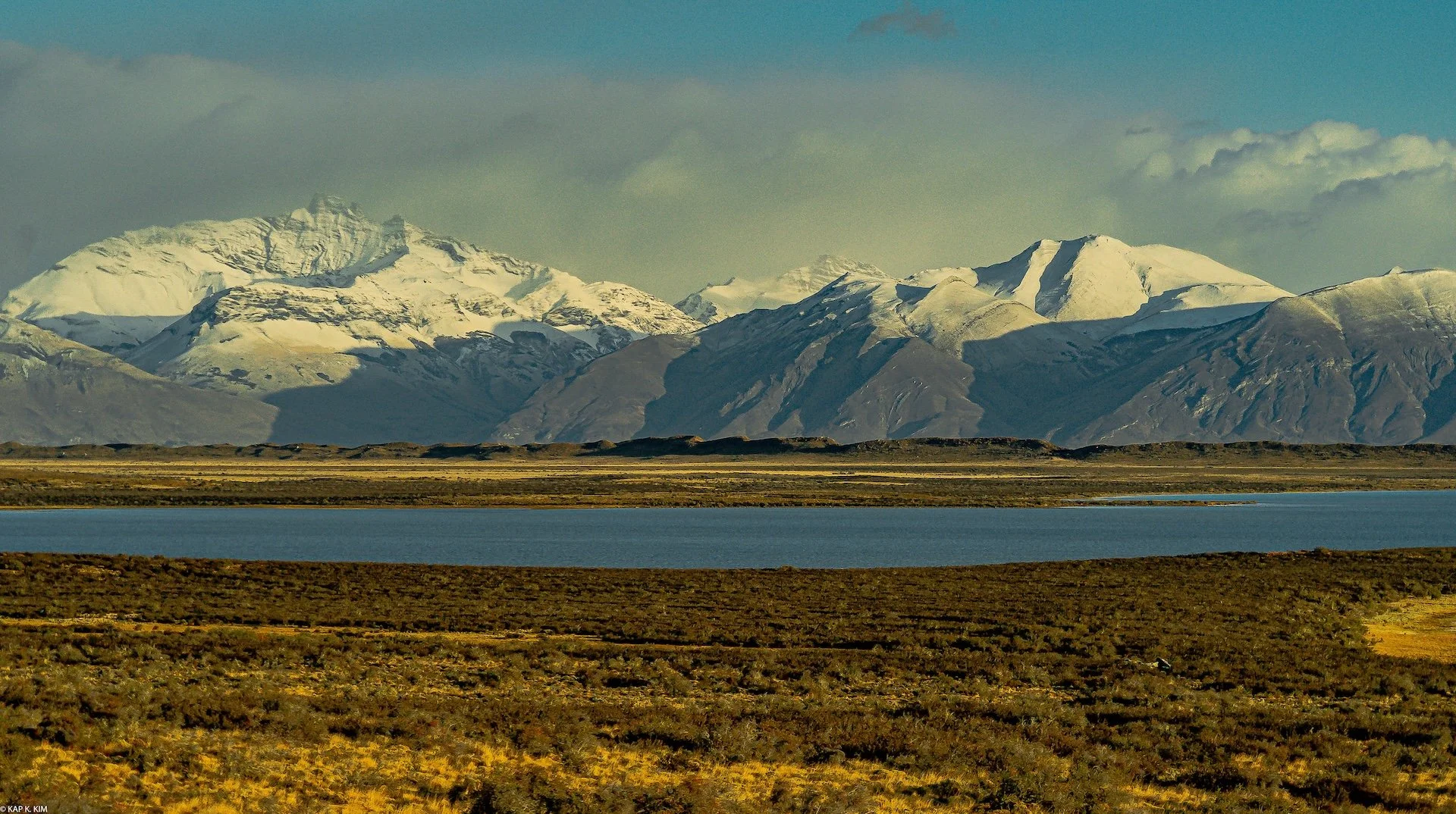
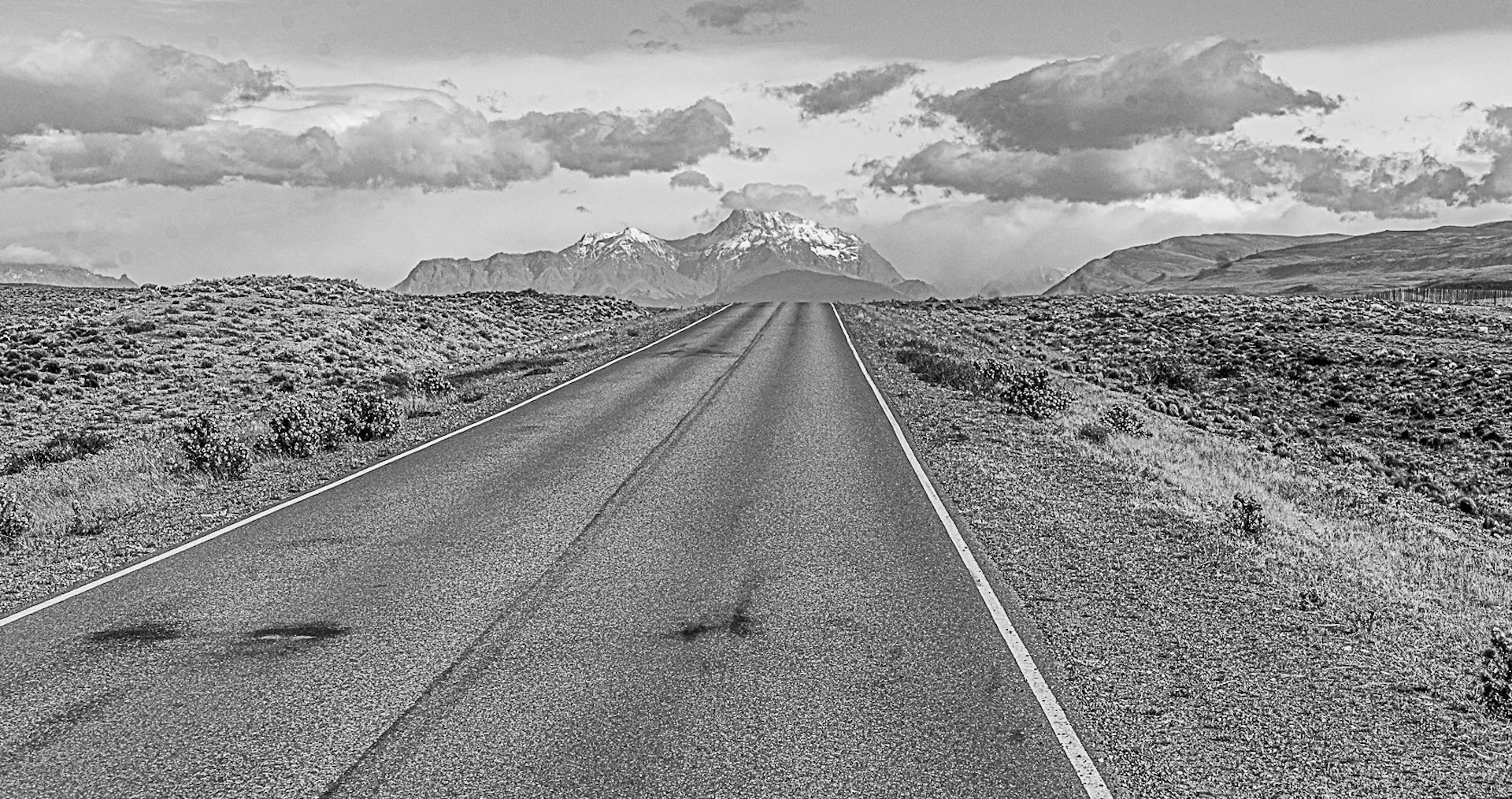
Patagonia in Argentina stretches from windswept steppes to jagged glaciers, offering vast skies and rugged landscapes that feel otherworldly.
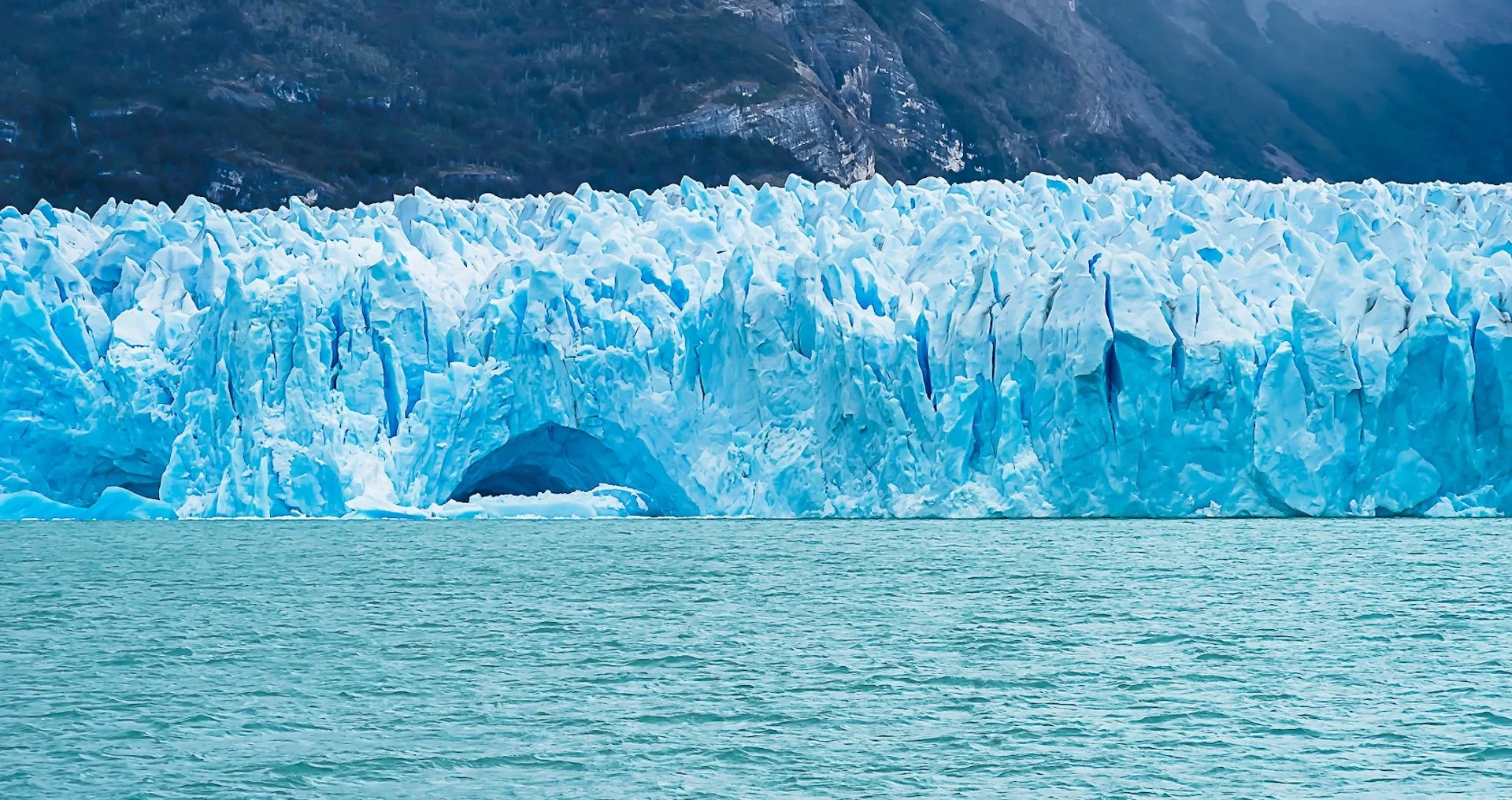
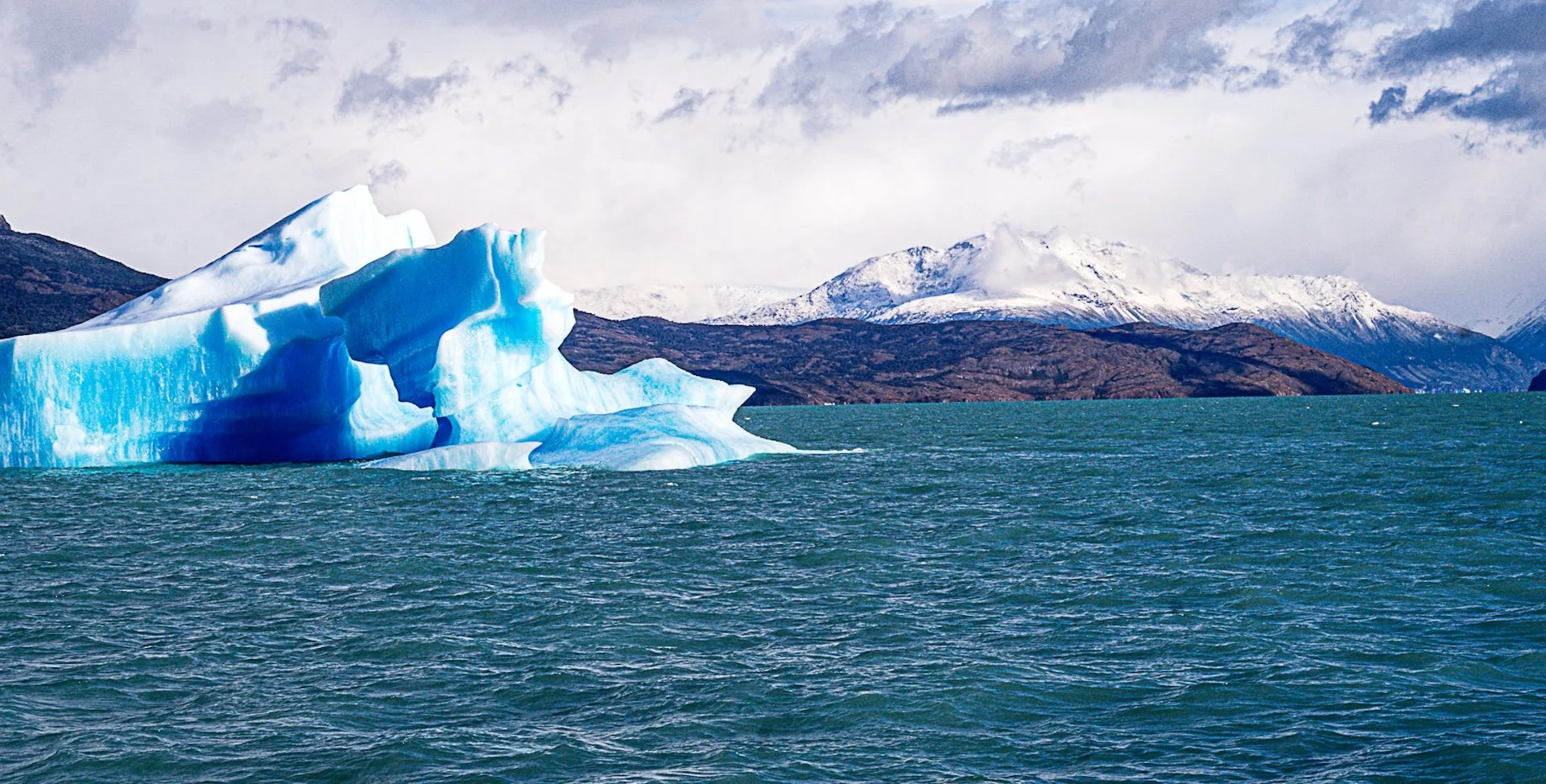
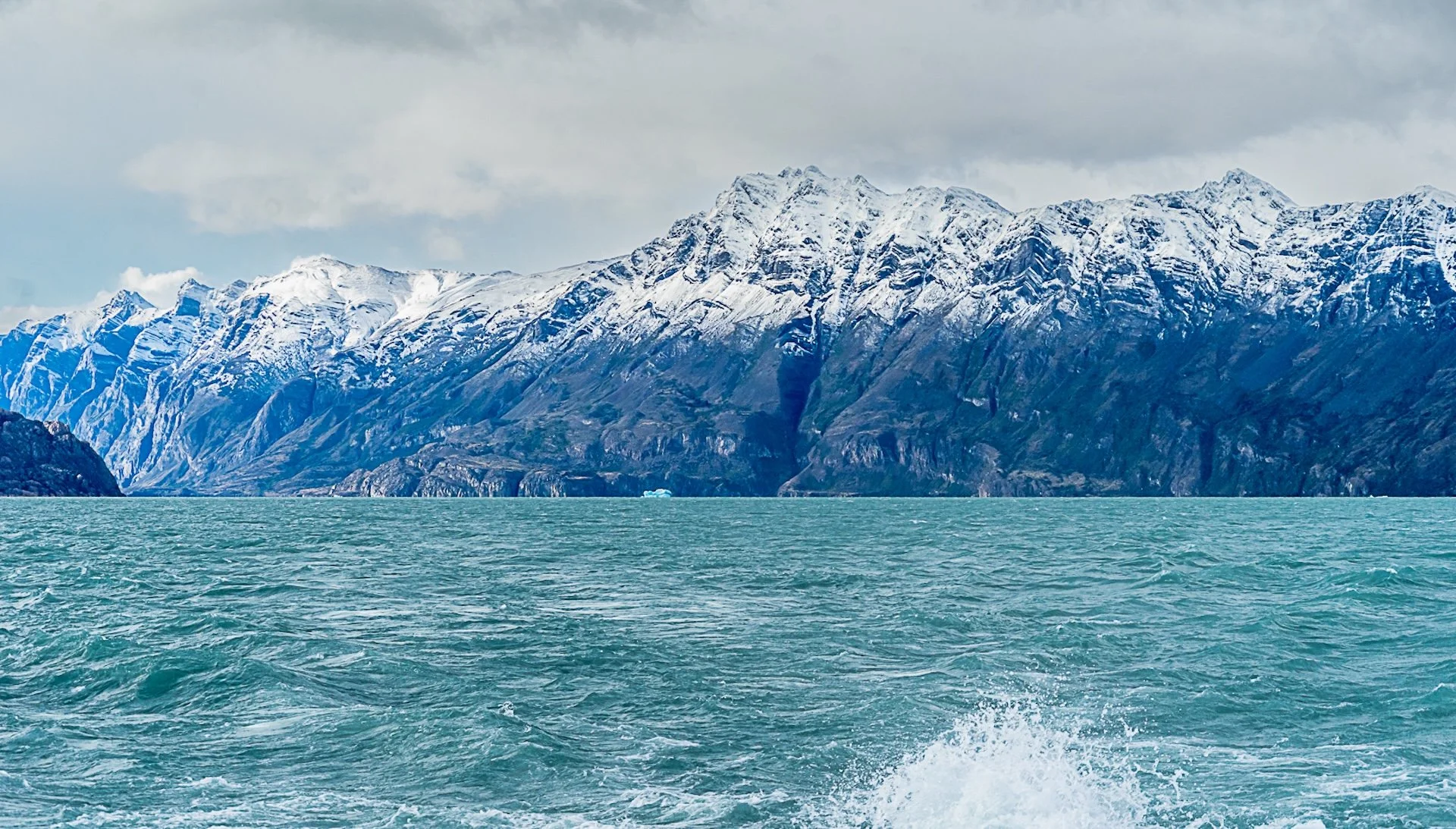
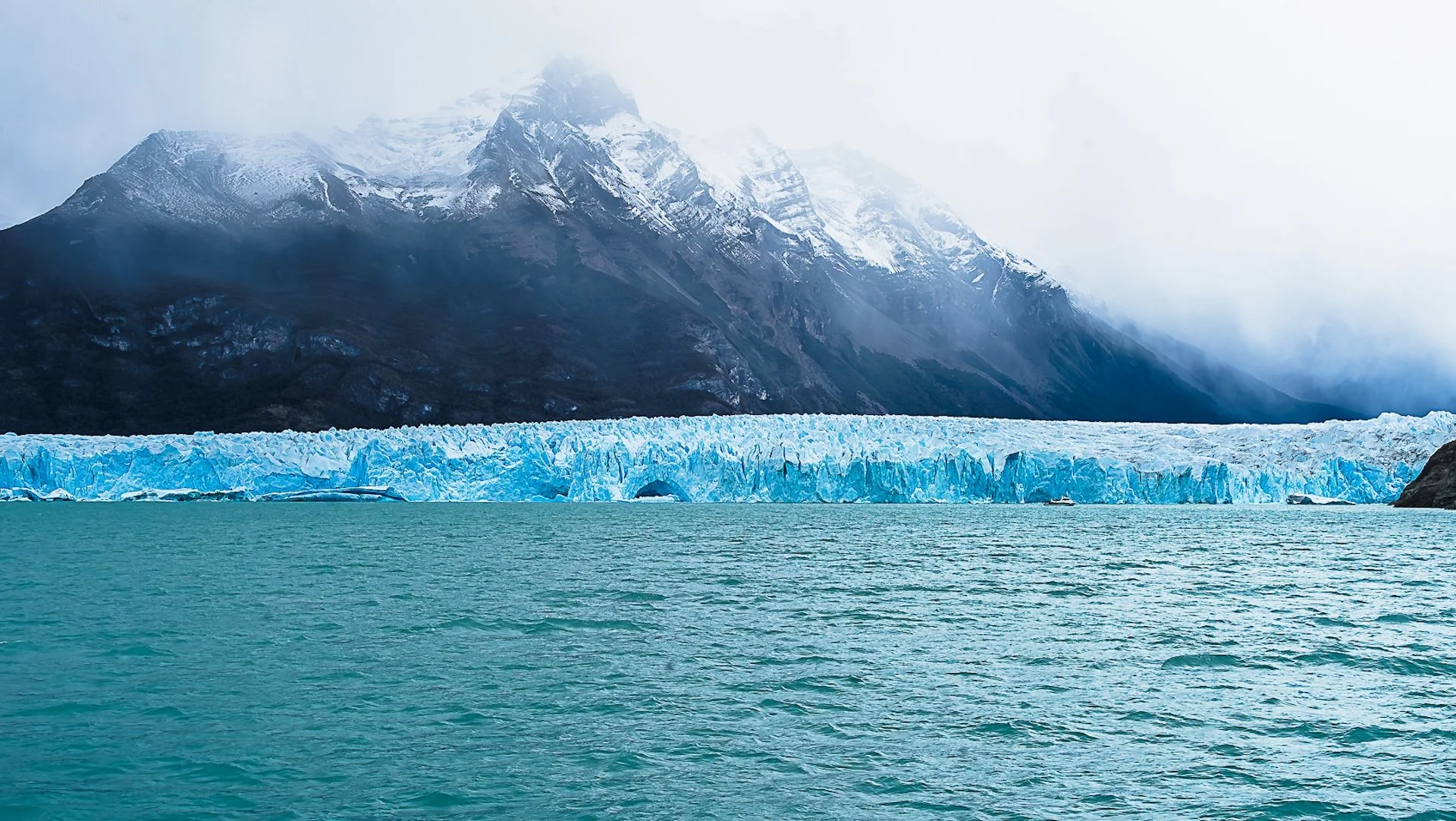
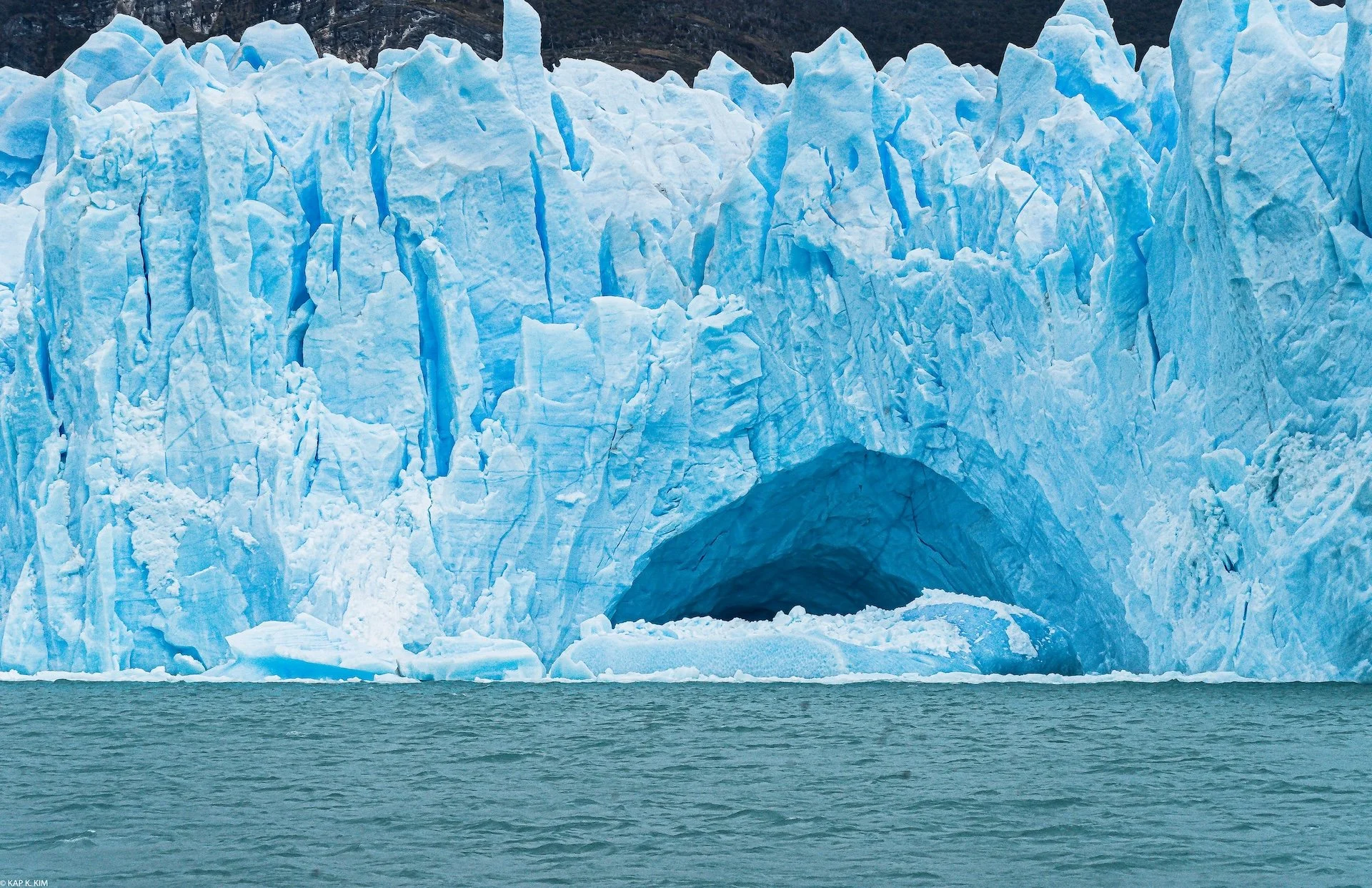
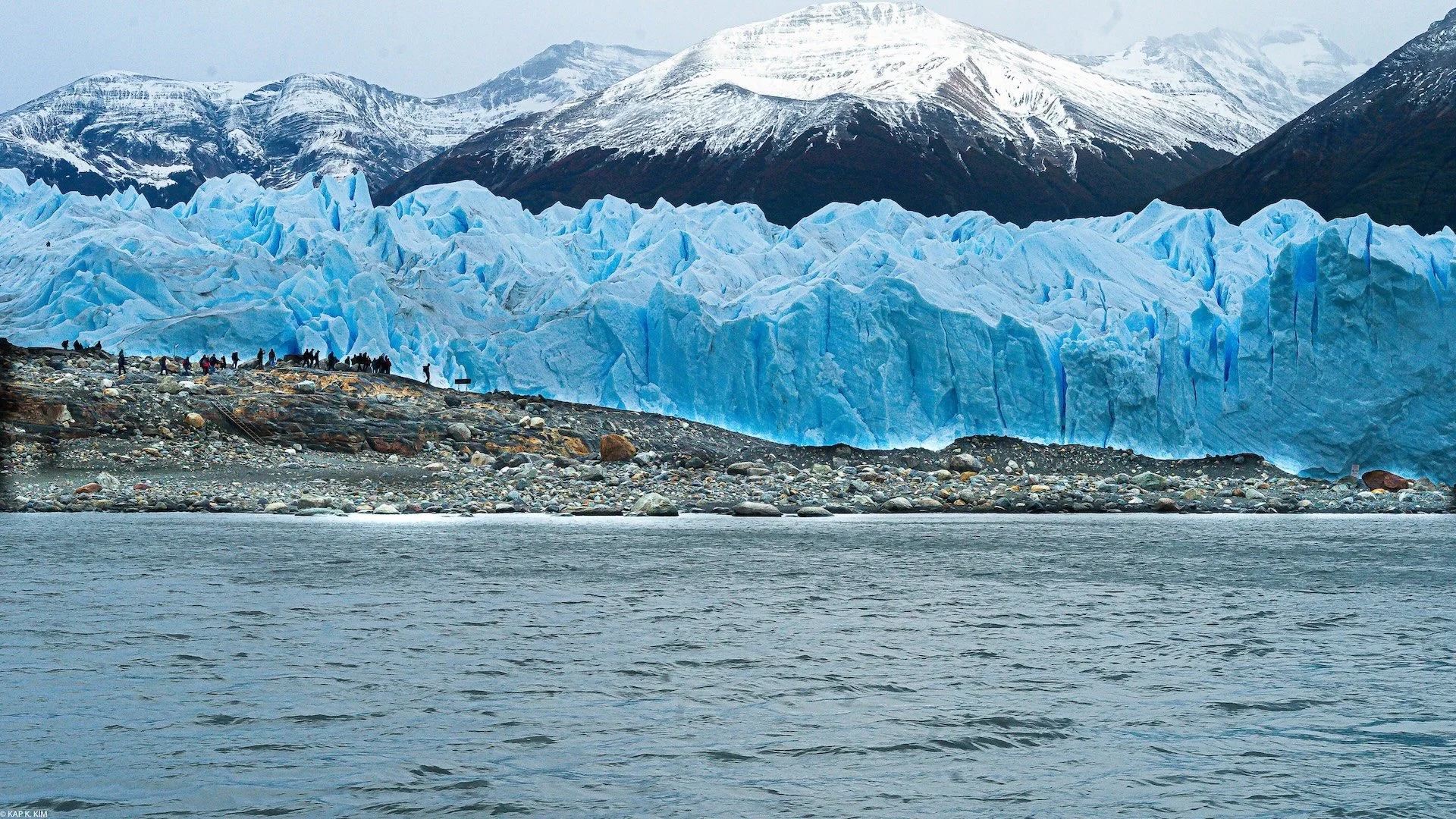
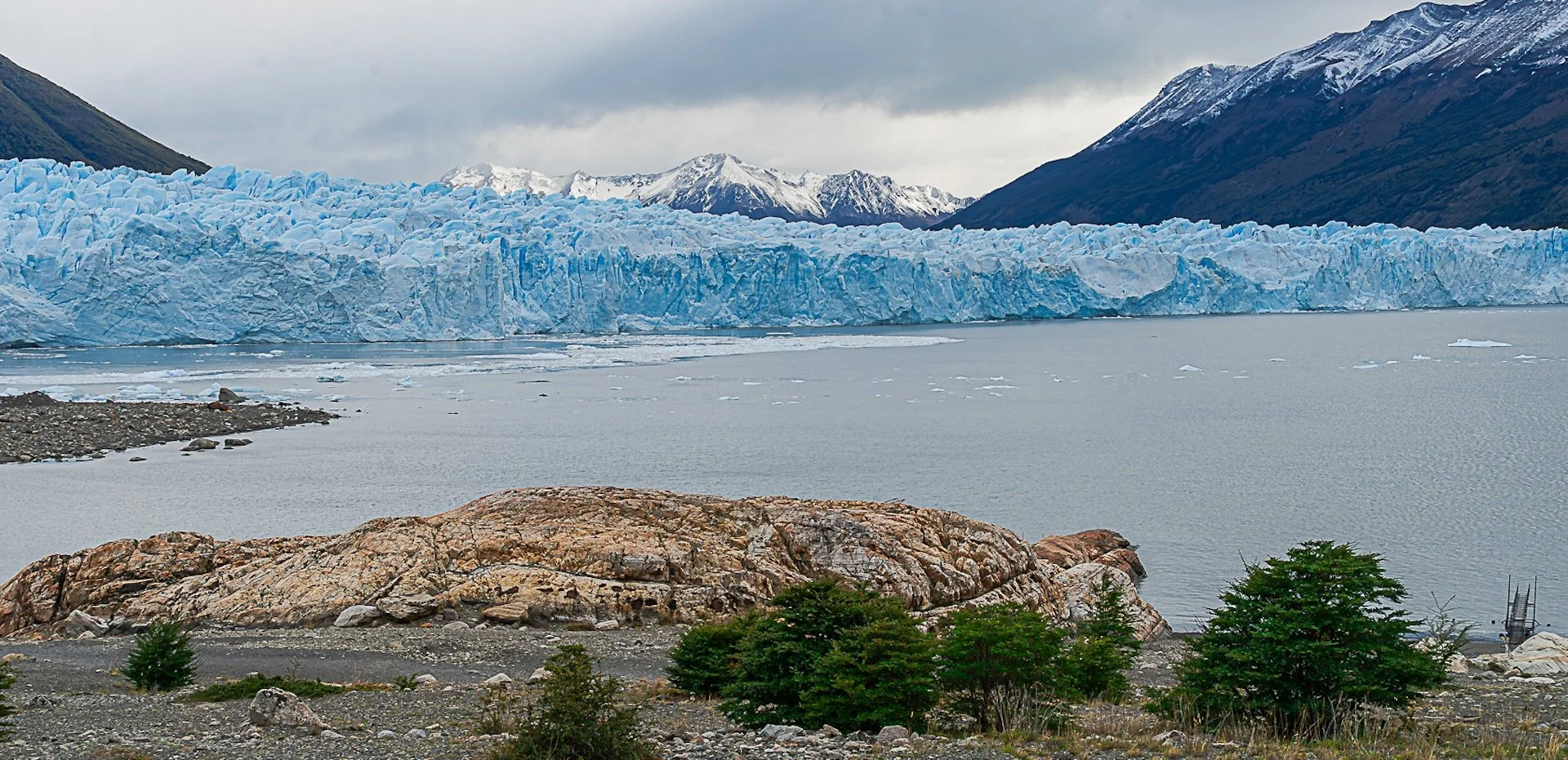
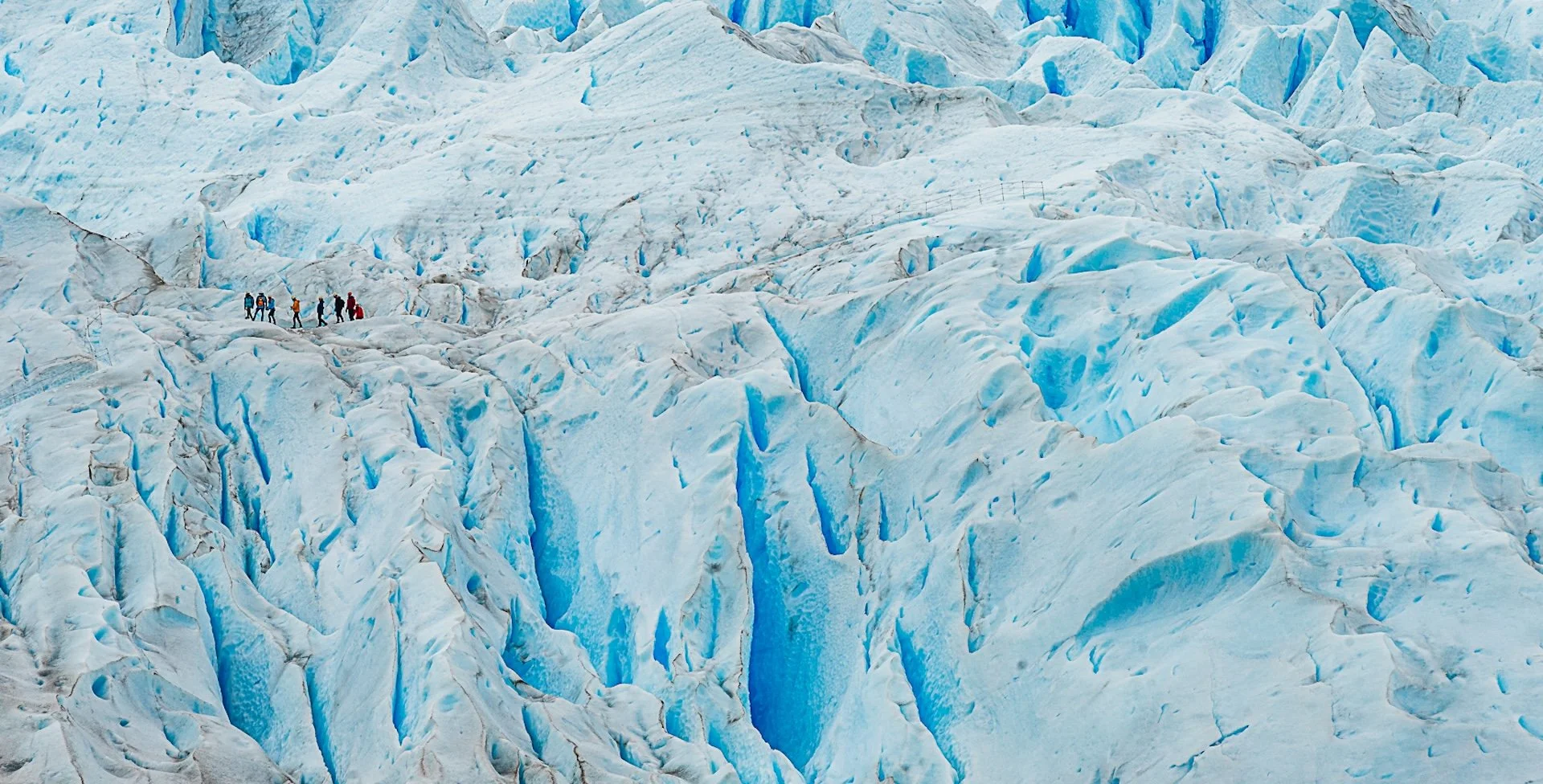
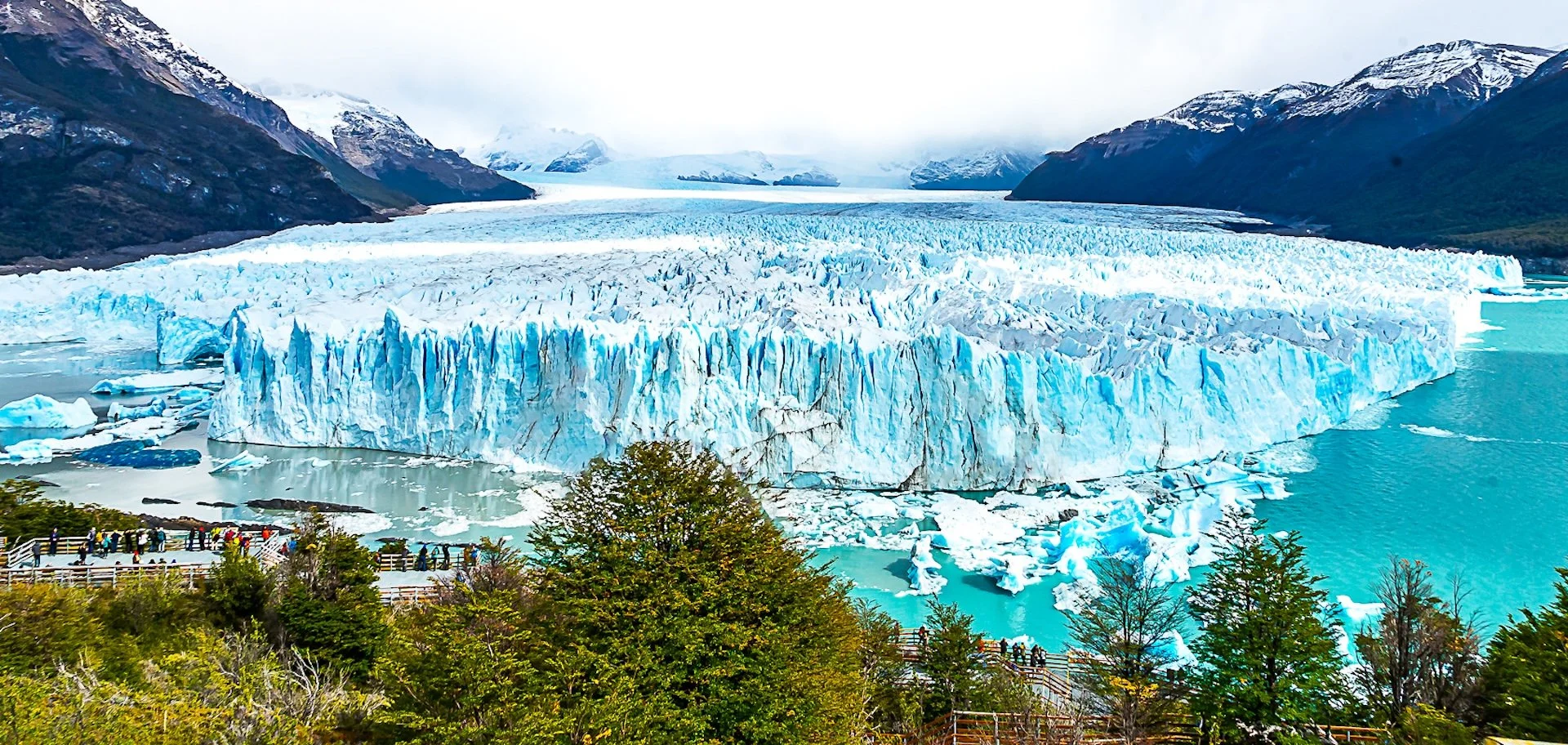
Perito Moreno Glacier in Los Glaciares National Park rises like a living monument: towering granite spires and windswept lenga forests frame vast cobalt lakes that mirror Patagonia’s dramatic, ever-changing skies. Distant ridgelines dissolve into soft, atmospheric blues, giving scale to immense fields of ice that ripple with subtle texture and history. Massive glaciers calve into turquoise waters with thunderous, echoing crashes, carving sculpted ice tongues and jagged, crevassed plains that reveal the raw, glacial power of the park. Shimmering icebergs drift away across the lakes, and a sharp, mineral-rich mist hangs in the air, each fragment of ice a transient sculpture set against an austere, elemental landscape.
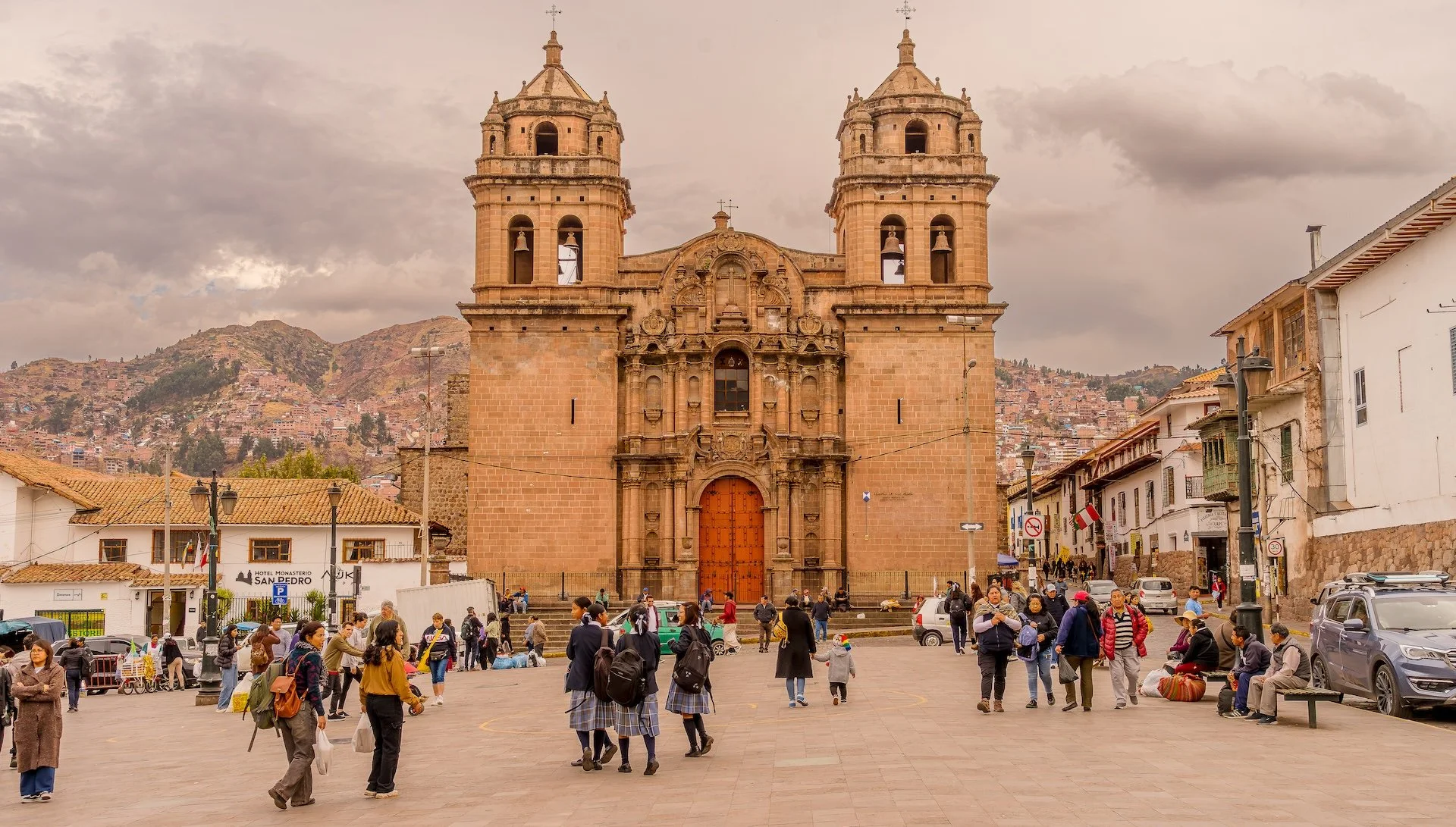
Peru's rugged Andes and misty cloud forests cradle the legacy of the Inca, whose stone terraces, roads, and cosmology still shape daily life; local people—Quechua and Aymara among them—combine ancestral weaving, music, and agricultural knowledge with modern rhythms, while markets hum with conversation and color; Peruvian cuisine mirrors this fusion, from earthy potatoes and corn to ceviche’s bright citrus and the smoky depth of anticuchos, offering a rich, savory expression of place and history.
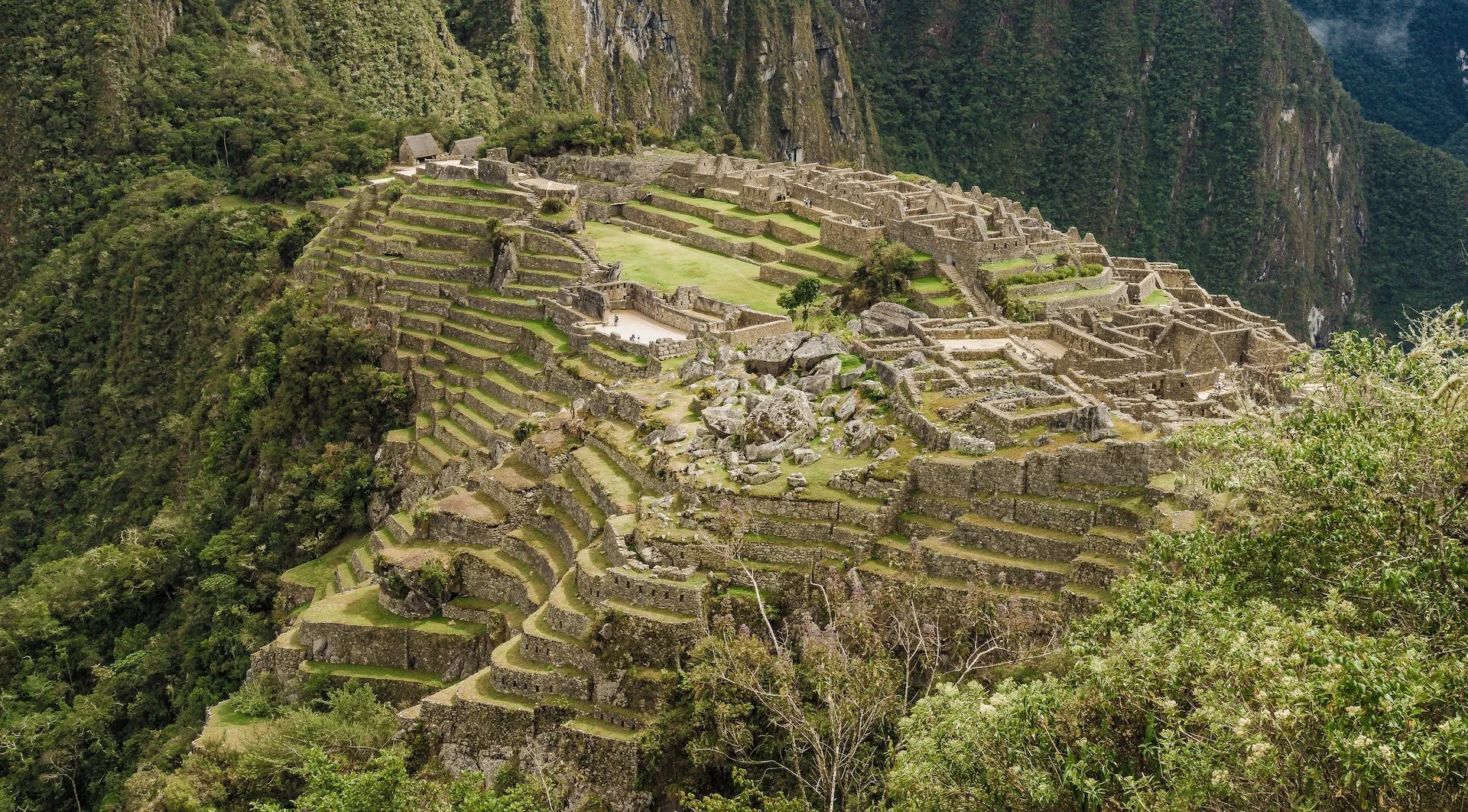
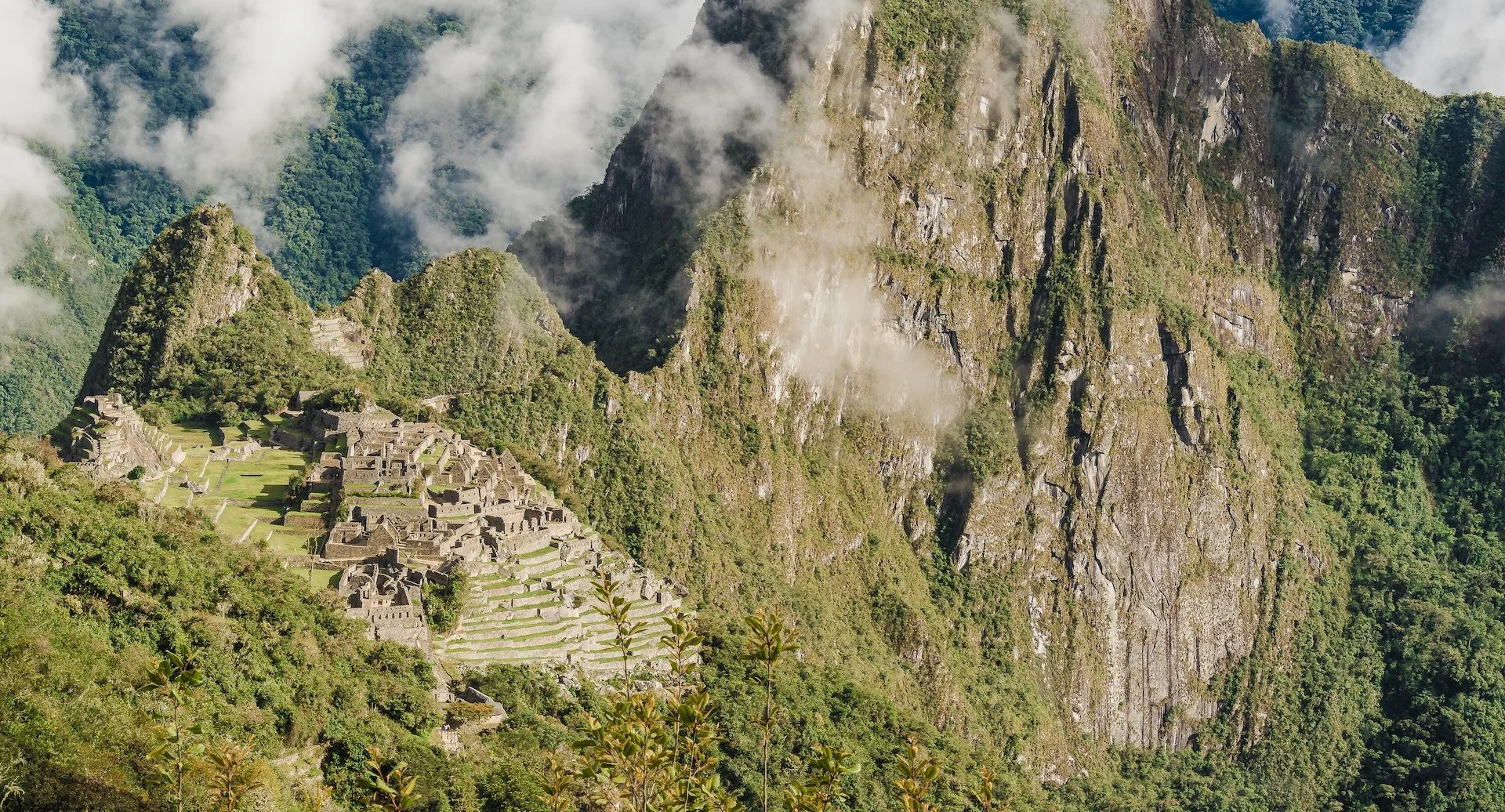
Machu Picchu, a 15th-century Inca citadel above the Urubamba River in Peru, showcases masterful stonework and engineering—architecture, astronomy, and water management. Likely an elite retreat and religious center linked to Cusco, its 1911 rediscovery drew global attention. Set in cloud-forested Andes with jagged peaks, terraces, and rich montane life (orchids, bromeliads, highland birds), it is both a vital cultural site and thriving natural refuge.
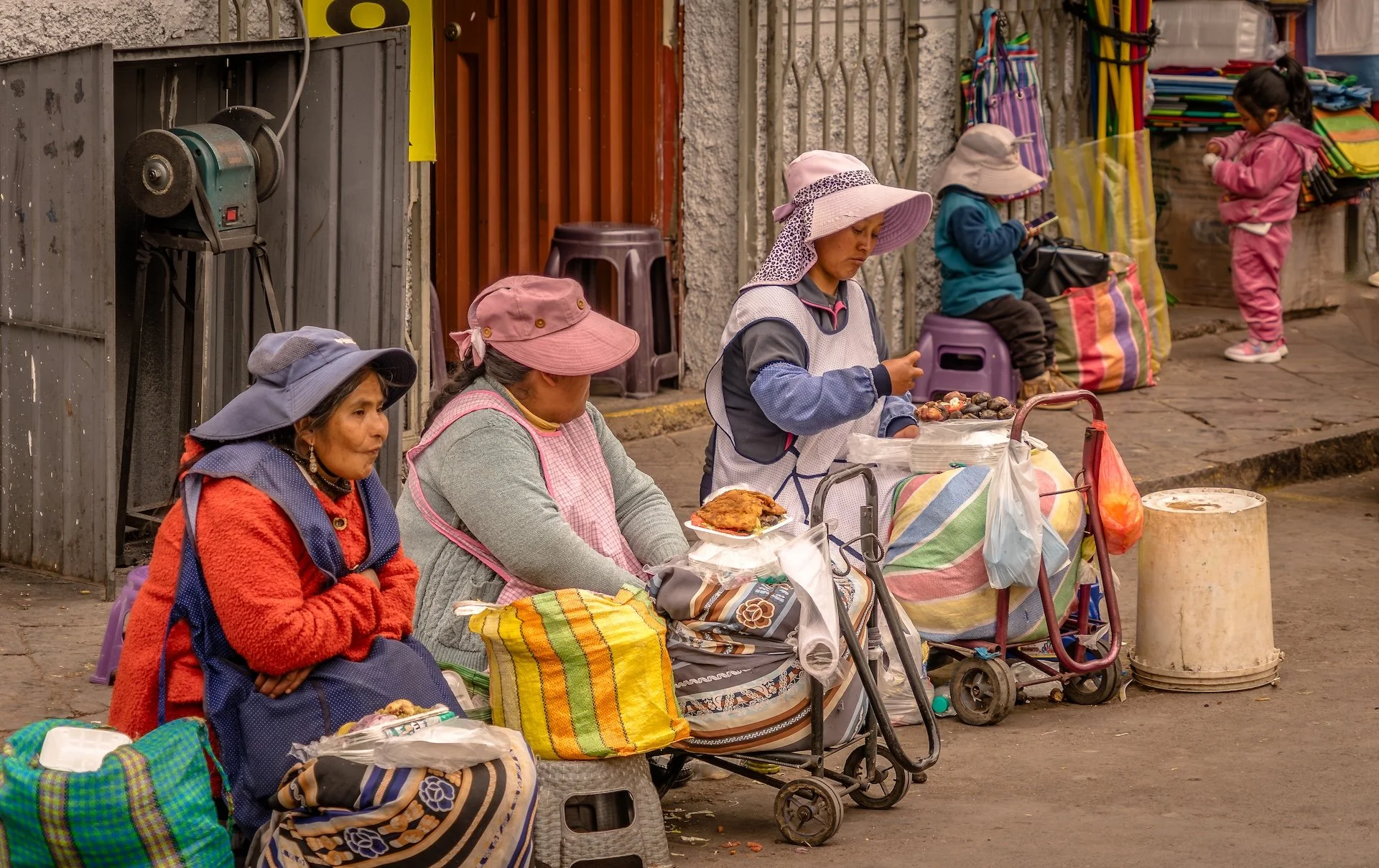
Women in woven hats and bright skirts line Cusco’s narrow market lanes, their stalls a colorful patchwork on stone streets. They arrange steaming chupe, ladle smoky cuy into clay plates, and pile fried cancha into cones. Steam carries roasted corn, aji amarillo, and slow-cooked pork; locals and visitors, faces weathered by altitude, taste and haggle good-naturedly. Quechua and Spanish braid conversations—grandmothers naming spices, vendors teasing friends, children playing, a stray dog waiting for scraps. Each woman keeps a ritual—sprinkling corn, tending the comal, serving ocopa by potato stew—recipes guarded yet shared. Ordinary and timeless, food here is work, culture, and community; these women are the market’s steady center.
Mercado Central de San Pedro in Cusco, Peru, is a bustling traditional market where locals and visitors find fresh produce, Andean specialties, and vibrant daily life.
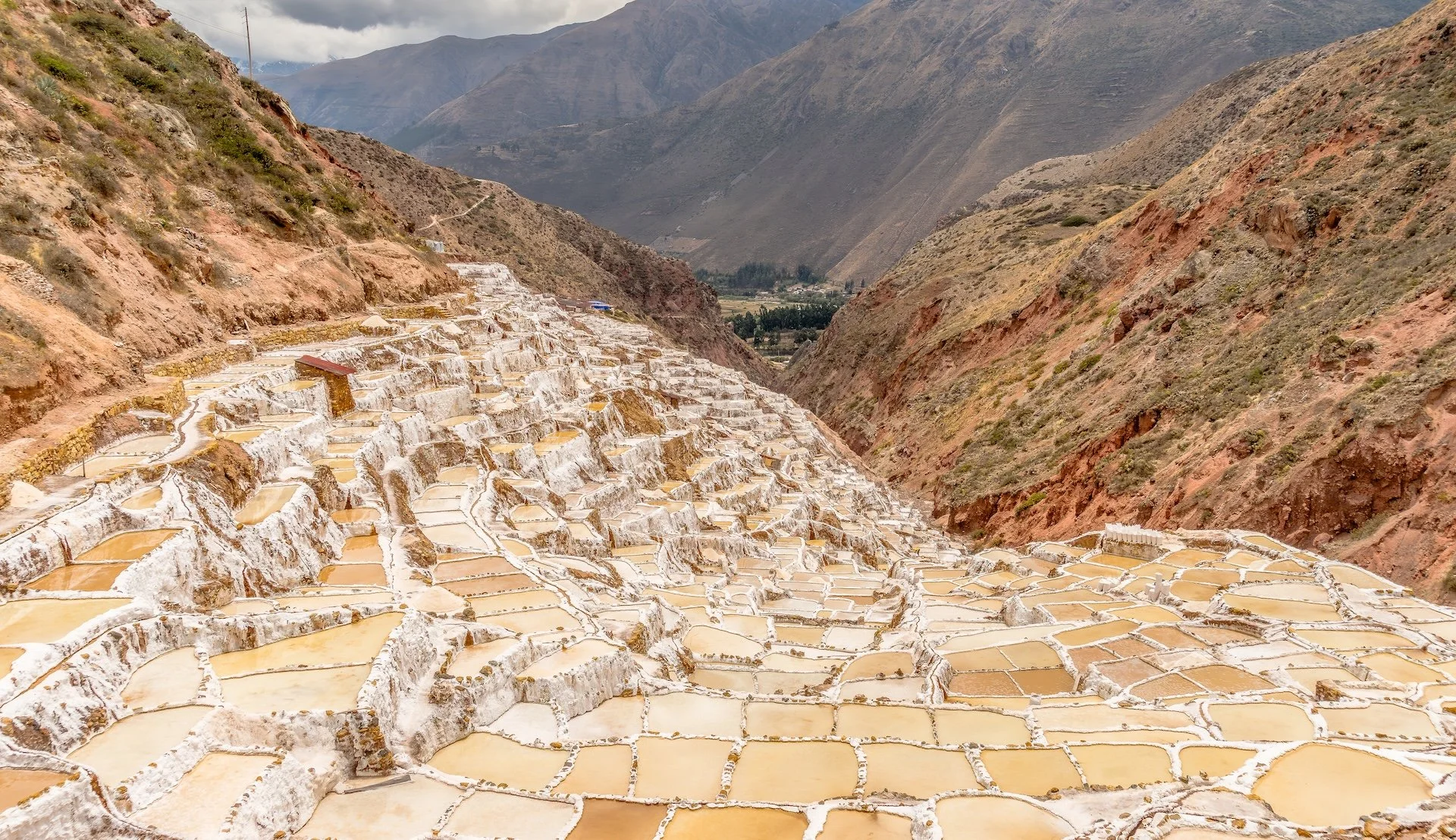
Salineras de Maras sits on terraced hills above the Sacred Valley near Cusco, Peru. Thousands of shallow salt pans capture mineral-rich spring water, evaporating to produce bright white salt in a dramatic mountain setting.
Tipón — An archaeological complex of Inca-era terraces, irrigation canals, and finely dressed stonework located east of Cusco in the Sacred Valley, famed for its still-working hydraulic system and scenic agricultural terraces.
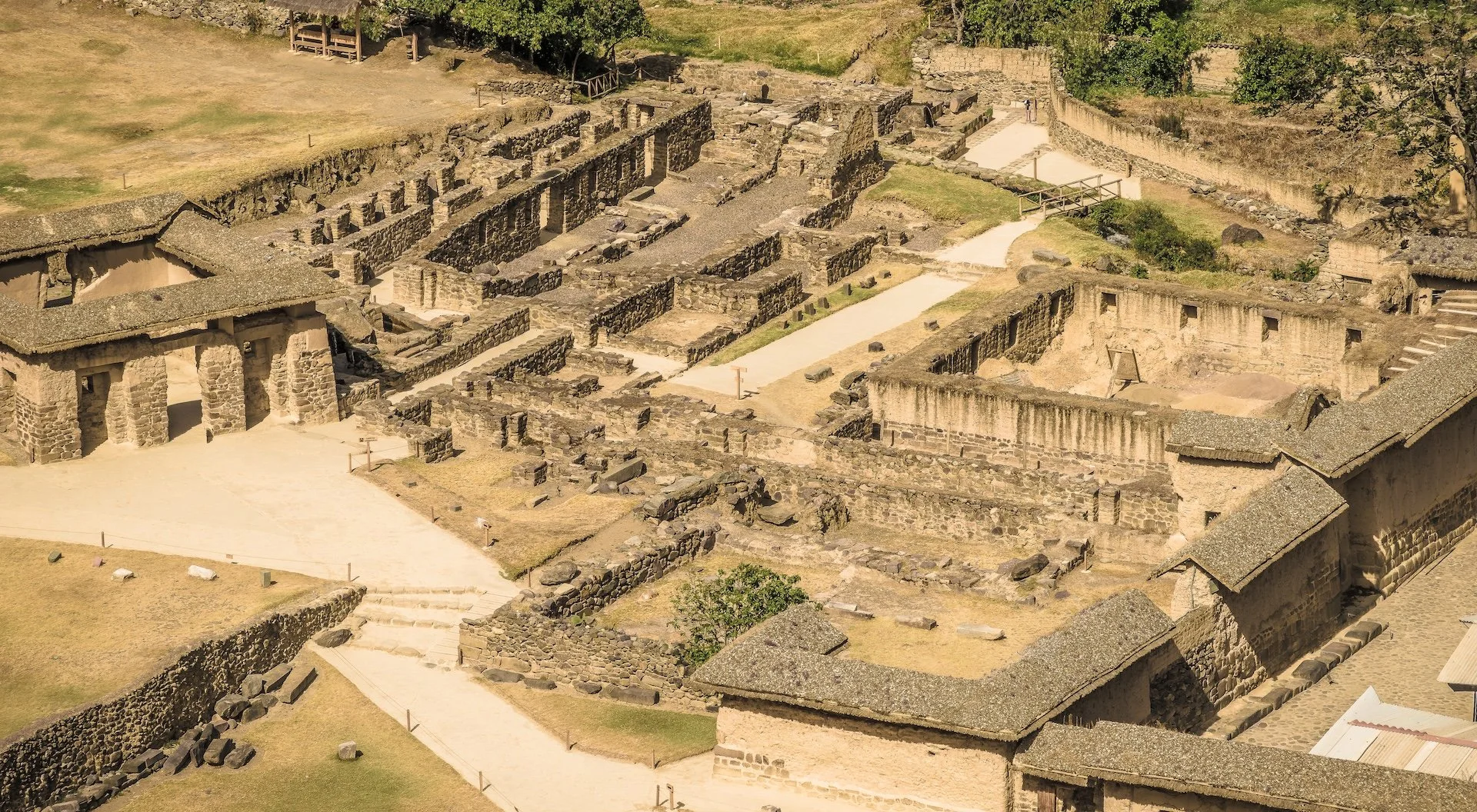
Ollantaytambo’s terraced stone fortress and narrow cobbled streets beautifully showcase masterful Inca engineering, set against and framed by the region’s steep, dramatic Andean slopes and sweeping mountain vistas that rise in jagged layers toward the sky.
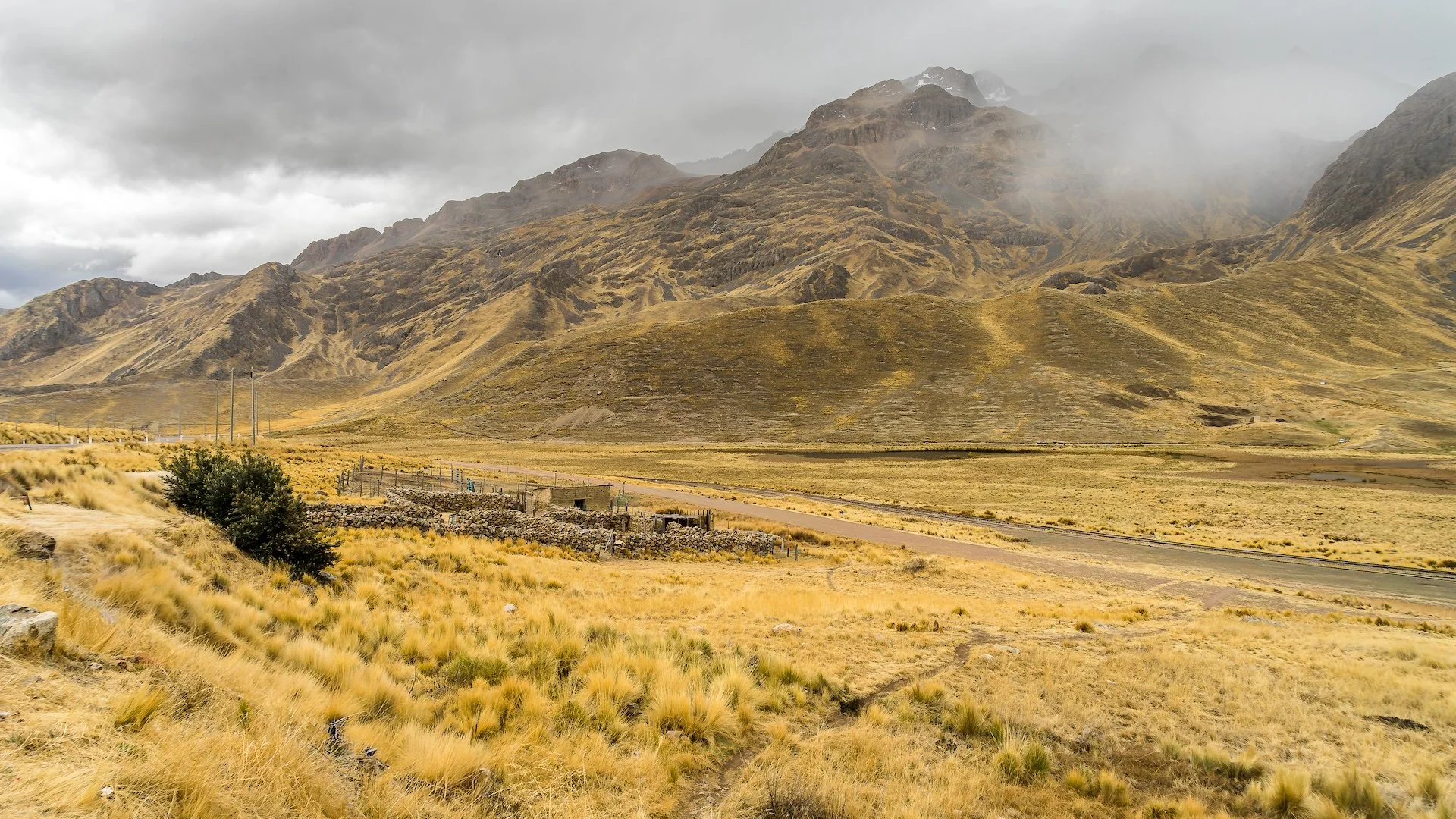
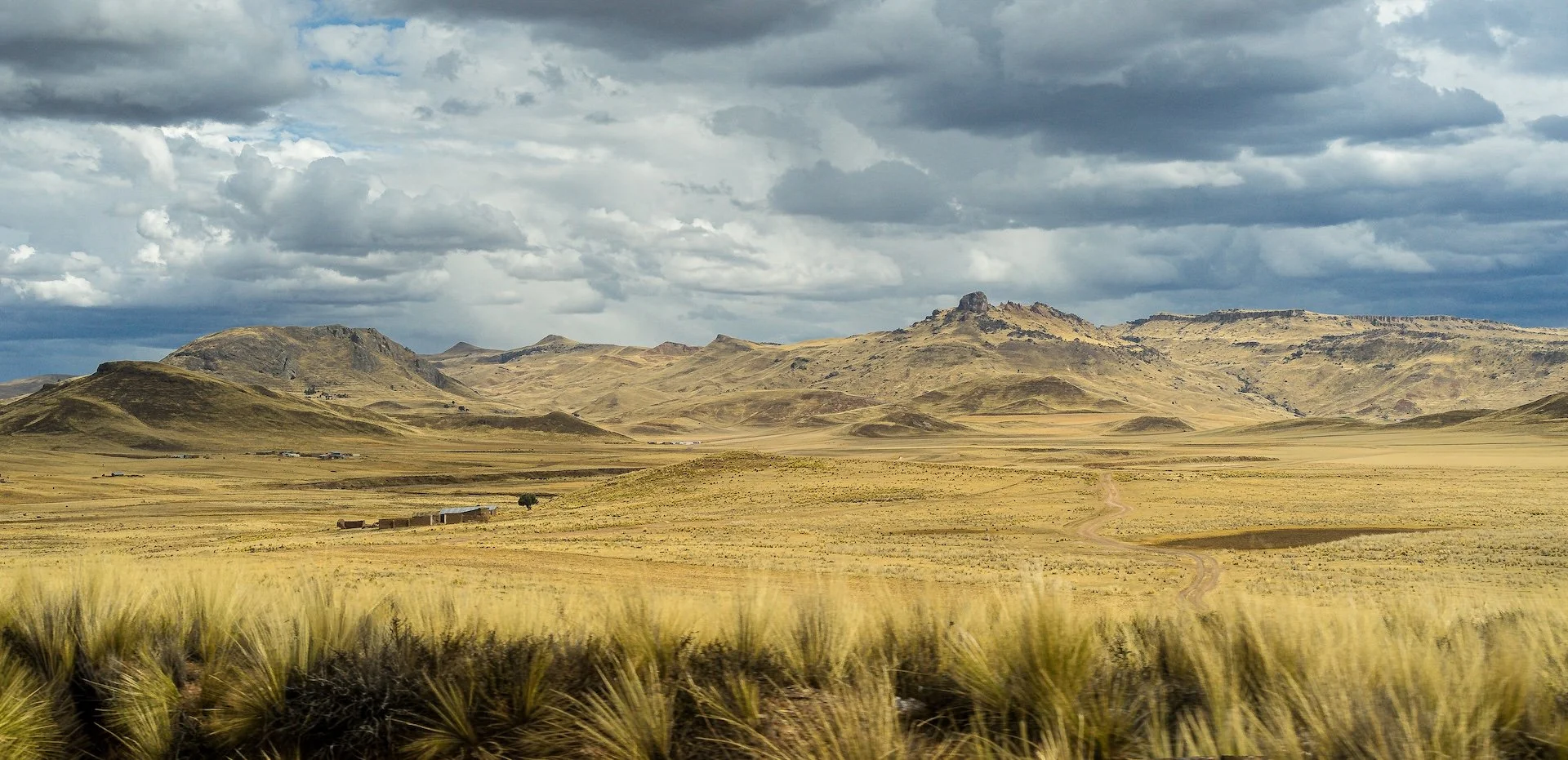
A sweeping vista of the Andes unfolds on the bus ride from Cusco to Puno, with terraced slopes carving the hillsides, distant snow-capped peaks shimmering on the horizon, and small highland communities dotted across the windswept plateau.
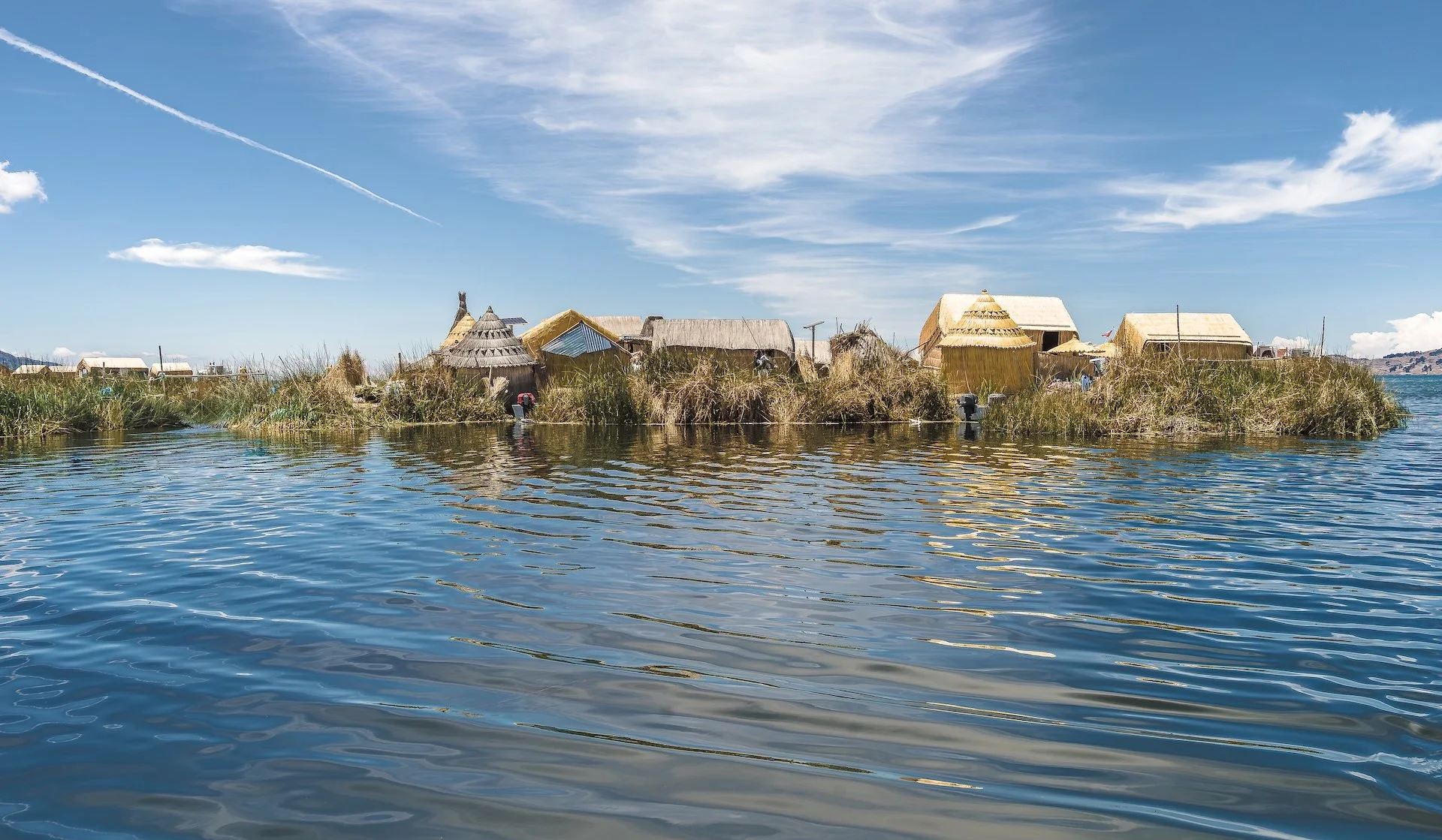
The Uros floating islands on Lake Titicaca are man-made reed platforms crafted from layers of dried totora reeds tied and rebuilt continually by the Uros people, creating small, buoyant communities that drift slightly on the wind; these islands host reed houses, boats, and family plots and offer a striking glimpse of traditional life where fishing, tourism, and reed harvesting sustain culture at 12,500 feet between Bolivia and Peru.
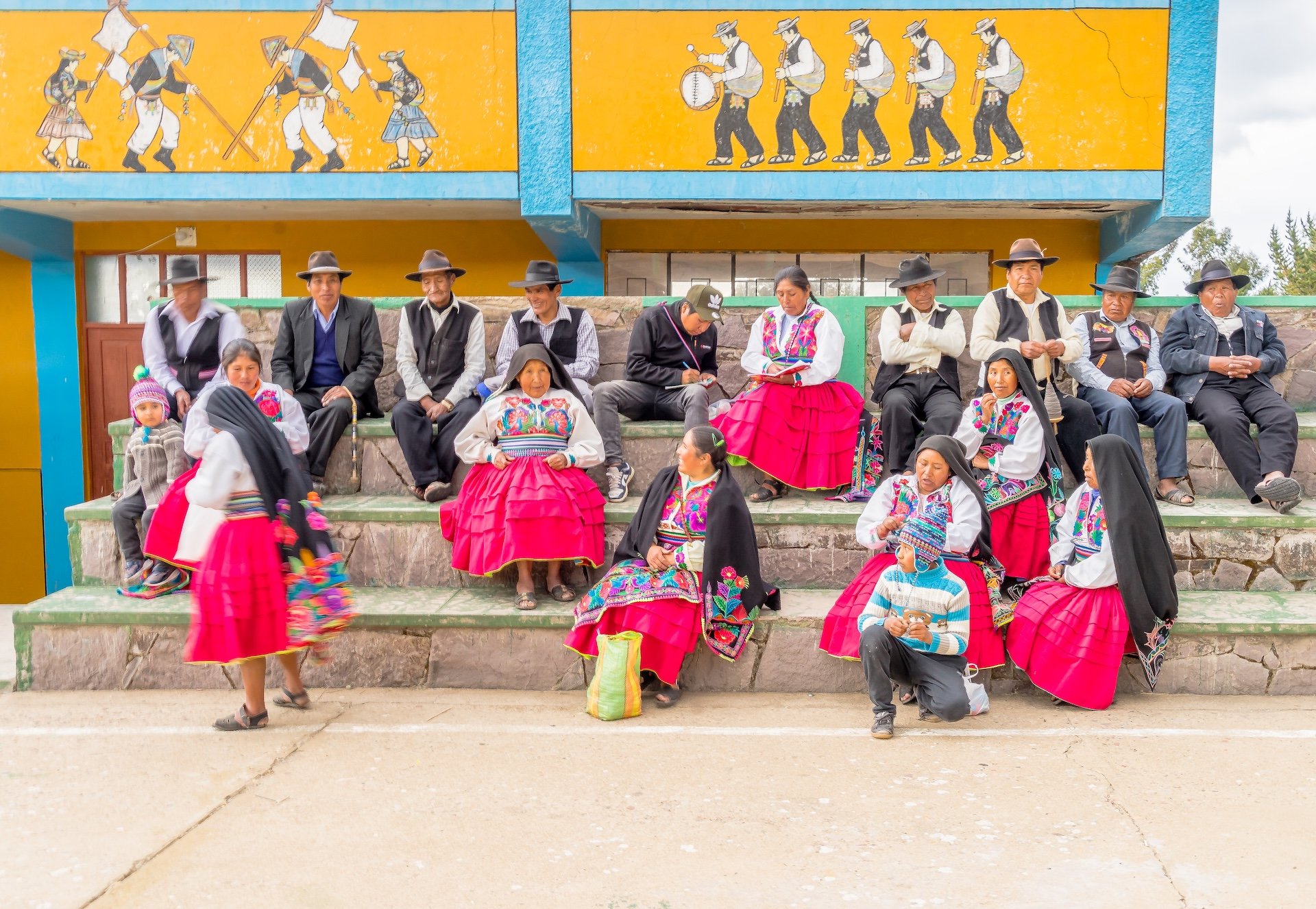
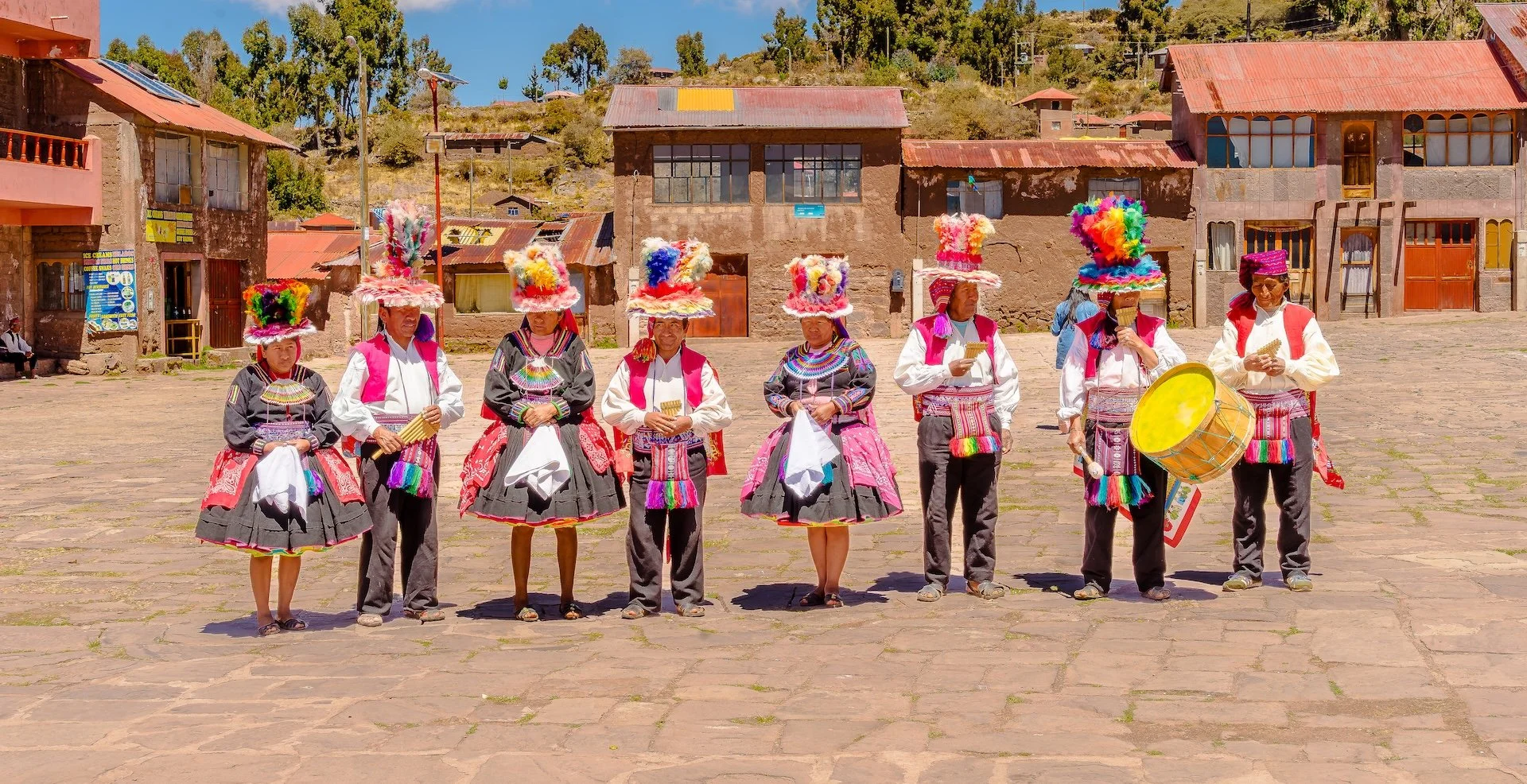
Women on Lake Titicaca weave bright, intricate textiles and paddle reed boats in their traditional dress, their colorful garments and careful handiwork reflecting generations of Andean heritage and the rhythms of lakeside life. Men, too, maintain vital roles in these communities—tending llamas and alpacas in the highlands, guiding reed-boat fishing and transport, and participating in communal festivals—each person’s skills and labor sustaining the shared cultural tapestry.