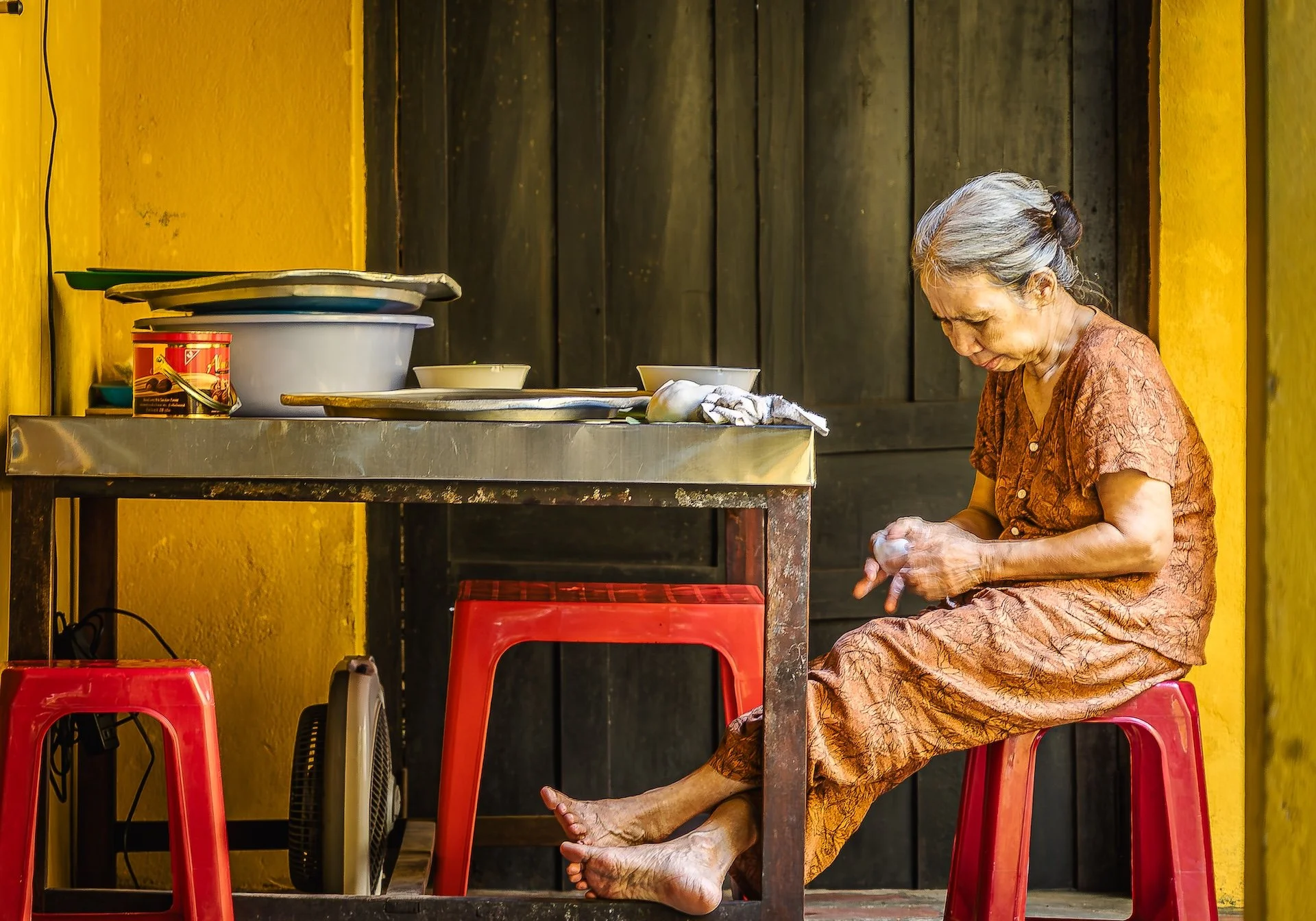
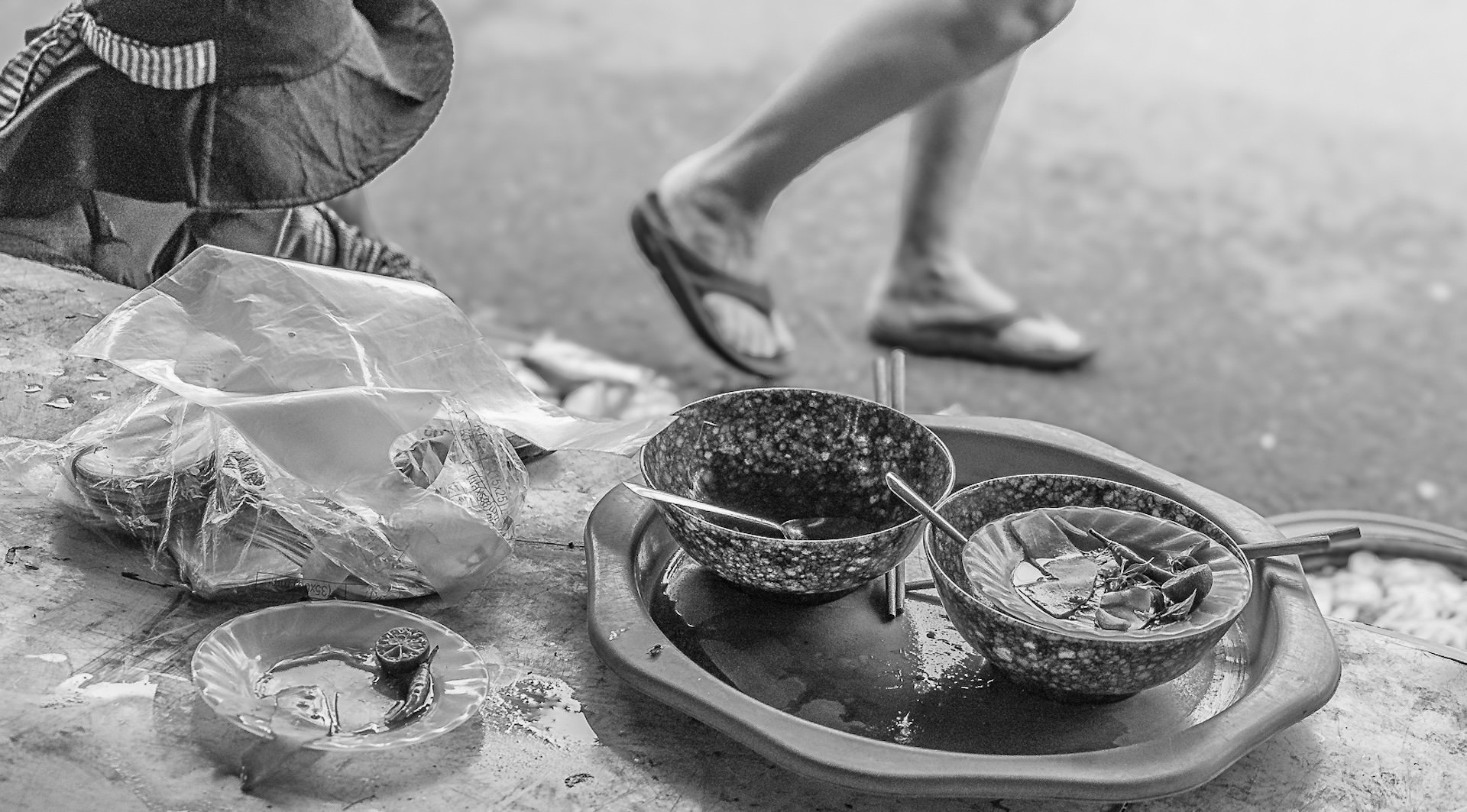
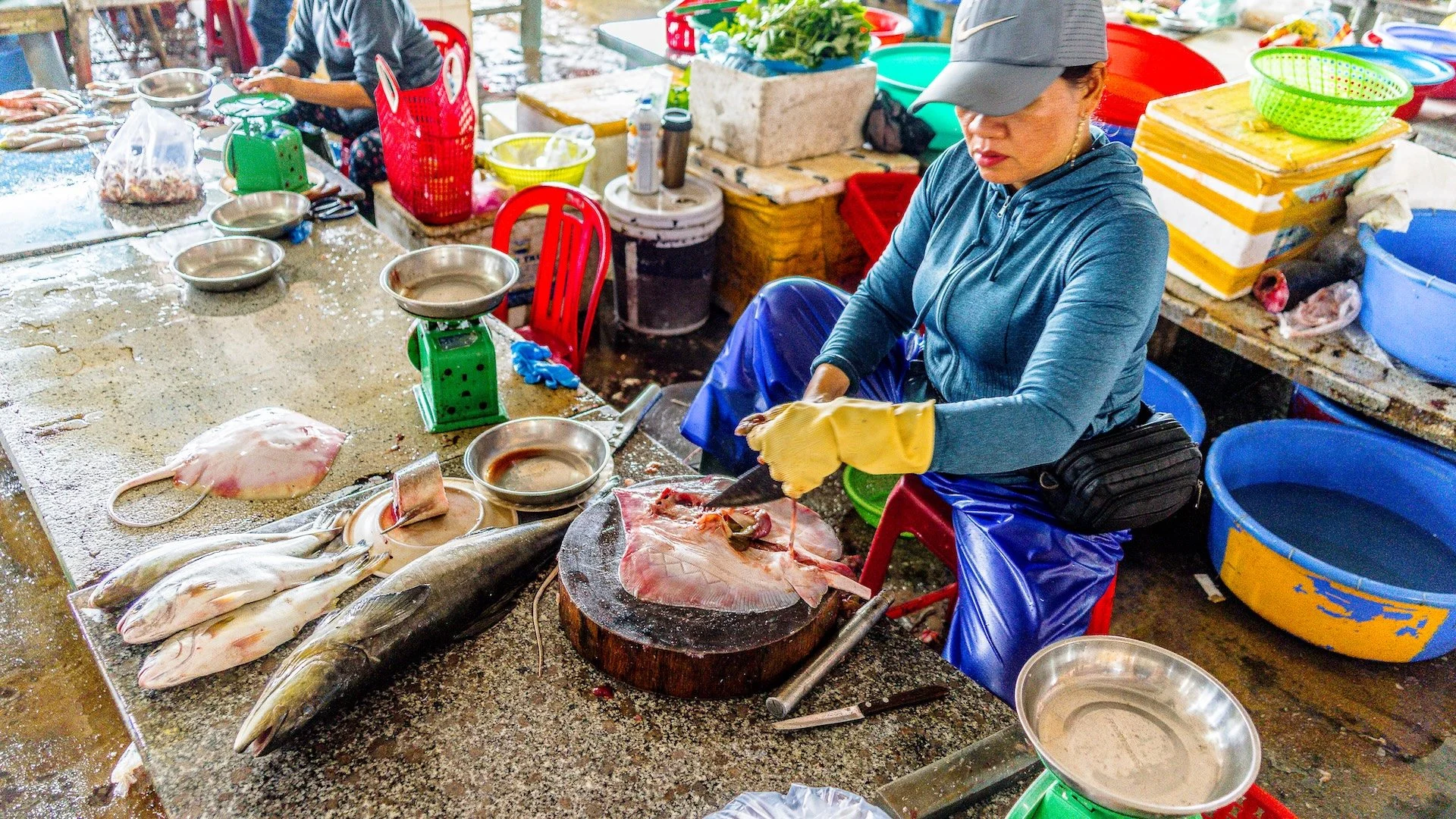
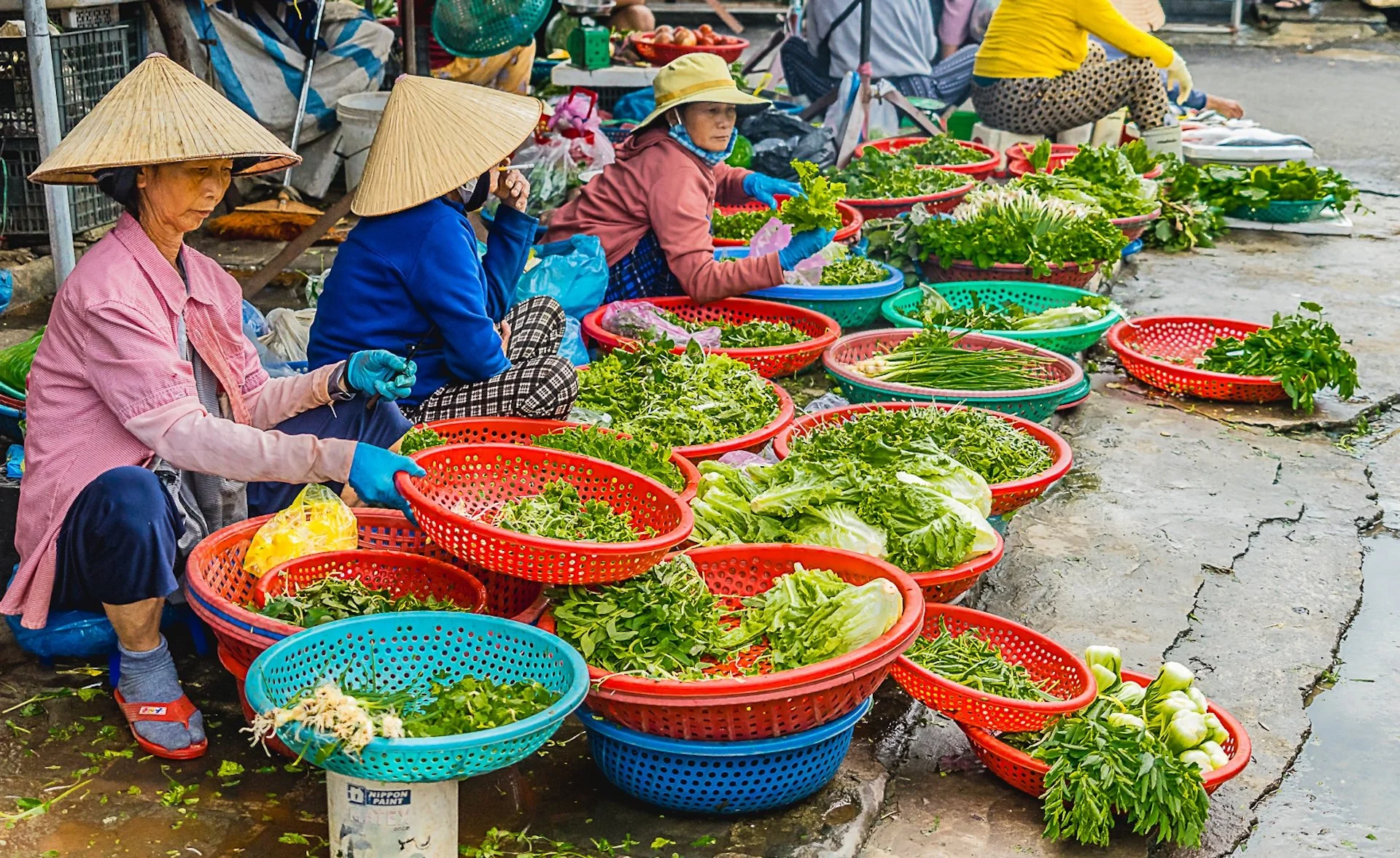
What draws me most to travel is the opportunity to experience different cultures through the people who bring them to life. My camera naturally gravitates toward the locals—their everyday routines, traditions, food, lively markets, and the streets where ordinary life unfolds. Beyond the famous landmarks and breathtaking scenery, I find the greatest fascination in these authentic moments.
This is the country where I was born and raised during the country was going through many political maturity learning curve and rapid economic growth pains.
Korea has gone through immense and incredible changes from agricultural, sleepy and scrapping poor country to the country of the industrialized, G20 class GDP, creator of world leading pop culture, and sadly losing traditional value system at same or faster speed. This all has happened over past 50 years and is still progressing.
While it appears being a bit late, Korea including the metropolitan areas, shows diligent efforts for keeping or restoring the old and historical or traditional landmarks and cultures.
This page shows the phenomenon.
Main palace in Changduckgung and is for holding state events like foreign dignity reception or national holiday celebration
There are many of this type of building in the palace for multi-purposes - residence, administration, medical center, royal kitchen, library - a city in the city
The wall weaving through the hill. Design and structure of this wall has been popular for encircling the royal palaces and houses.
Standard architecture for royal palaces for walkway along the walls surrounding the main palace.
The palace was the main royal palace for Joseon dynasty and built by the founding father of the dynasty in 1395.
Architecture design of formal housing for the royal families or ruling classes has multiple layers of rooms staggered and the middle room only can be access through the front rooms with entry doors
Korea did not have glass until the foreign culture and related materials or technologies are introduced until recent history.
Old house used to be owned by a well-known scholar is now a restaurant serving the menu for Joseon’s royal families.
Green plums are abundant in southwestern part of the country. 40 to 50 gallon clay pots house green plums for fermentation for plum juices
Seoul had four major gates in Joseon dynasty. The South Gate is the registered national treasury.
View from the flat where I used to stay during the employment in Korea.
Seoul has hundreds of concentration of forest of apartment buildings.
DDP’s interior passage ways
The DDP was designed by Zaha Hadid, Iranian Architect. The DDP was built in the place of Seoul Baseball Stadium. I used to go and watch semi-pro games at the stadium
Republic of Korea Army (“ROCK”) chopper leaving the US 8th Corp HQ located in the center of Seoul
A brand new artillery is being routed to north of Seoul where the DMZ and heavy presence of Korean and US military camps.
The Cemetery provides eternal places for veterans who killed in action in Korean conflict, Vietnam conflict, UN peace mission and sporadic clashes with North Korea
Seoul is divided by Han river into north (old) and south (new). There are 20 plus bridges combining two sections. This bridge has two levels where lower level is sometimes submerged during monsoon season.
One of Han River bridges - frame captured from the north towards south in late afternoon.
Images of Korean “country side” are here. My keen interest for exploring unmarked small villages and towns, and hiking trails and mountains for all four seasons.
Korea has very gorgeous and uniquely defined four seasons by color, food, flowers, scenes of mountains, rivers and seas which are second to none.
During four years of employment in Korea from 2012 to 2016, the weekends were god-given time for acquainting my home land through travels and trekking.
Everyday in autumn is clear and blue sky beautiful day. Air is crisp, sun is warm but not hot.
Open storage for hand-made bamboo brooms, probably by the monks, in a Buddhist temple
Korean has rugged mountains in eastern part of the country. Winter mountain hiking leads to tranquil and quiet scenes of snow, ice and rocks.
Koreans take off shoes for entering in the rooms in house or prayer halls. It was cold winter day at a prayer hall worshipping Buddha in a temple.
Train ride from Seoul to Choonchun in Gangwondo in early winter morning.
Sea fishing at the top of wave barrier. While I am not in fishing, I can see it can be medicine to sooth and clear the mind.
Small island - Gyodongdo (do = island) off the shore north from Seoul and a few clicks south from North Korea. It has been in active military combat-ready zone for many decades and development was banned until recently
This old and memory triggering humble home along the hiking track in a mountain in Jeonlanamdo (do=province)
Tracking along the valleys and gorges often finds streams and mini water falls. Splashing face or dipping fee into the stream is refreshing the body and mind.
Passing a small down stream in a valley of Bukhansan (san = mountain) in late autumn while hiking the path circling the base of the mountain.
Straight trees along the trails of Mindoog mountain in Kangwon-do (2014-10)
Chongryong-po (po means boat terminal). It is the house arrest area for a king named in Dan Jong who was subsequently assassinated.
Eastern part of Korea is mountainous and some are rugged. Sense and sound of stepping snow is refreshing, and cold but crisp air is also merit for winter hiking
There is a mountain about two hour northeast of Seoul where high concentration of birchwood.
Taebacksan (san = mountain) is one of 100 most beautiful, rugged and well-known mountains in Korea. This vantage point is hiking up on fresh snow covered path for four hours to the summit.
Found these broken clay pots filled rain water in an old Catholic church in small town in Gangwondo.
Entrance of a local family home offering home cook meals for those traveling through the town
A roadside house converted to a restaurant offering home cook meals. Guests are invited into their living quarters for the meals.
When fly dragon be seen, autumn is in full swing. Autumn has very important meaning to Koreans because it is the season of harvest and abundance.
Perfect integration among pampas grass and blue sky dotted by white cloud.
This open market in small village outside Seoul is open every five days. The merchant has several different size sacks mainly for diverse sorts of grains.
This is one of favorites and gives imaginary chair where one can relax and rest before moving forward.
The staton has tracks that are close to the sea line of East sea. It is small train station and also the town is known for impressive sunrise.
Commercial fishery takes tiring work for before and after the fishery work.
Japan had colonized Korea for 36 years in early to mid 1900’s. So Japan is the neighbor that Korea has traditionally diverse perceptions towards Japan (Japanese people effectively) none of which is positive nor respectful.
And, Japan is full of mysteries to me because Japanese gives up personal interests enthusiastically and willingly including their lives for the higher needs imposed by the government or organizations. This mindset is not only intriguing but also scary.
Therefore, my liking about Japan is well managed and limited to meticulously prepared local foods, diverse natures and scenery, and hot springs (Onsen in Japanese).
Kinkakuji (金閣寺 금각사) is zen temple located in Nagoya. The temple was the retirement villa of the shogun Ashikaga Yoshimitsu
Classic building design and structure found in temples in central Japan
One of largest wooden structure temple located in Kyoto
Interior of main worship building of the Kiyomizudera
Memorial service in traditional and historical inheritance method which was extremely rigid, quietude and serious. All these seems uncomfortable.
Formal exhibition is associated with the process of wish for whatever in one’s mind. It is common in many countries and cultures in asia.
This well must’ve been known for healthy and long prosperous life. Or these folks want to believe the power of the water.
Street rising to the temple and filled with tourists of aliens and domestics equally. Old buildings are well preserved or renovated to old style. Too excessive identical meticulous comes across as fears for their ability of controls and singular focus.
Quite large ryokan at the river bank in Kyoto and creating the feeling of isolation and disconnected from bustling tourist spots.
Attention to details is the thing of the Japanese. The door is to the area for the guests for books, teas and rest.
Ryokan is small lodging facility and it maintains all traditional and historical attributes of Japan from exterior, interior, color scheme, building materials, landscape, and not to mention the food being served.
Wandering away from a temple found me this street filled with eateries and lodging geared towards local folks. Keeping local standards is impressive but not surprising.
Kamikochi is well-known mountains in Nagano region in central Japan. Autumn and winter are mostly sought for the mountains.
Frame of the back yard of the ryokan (traditional structure of guest house with hot spring) near Kanazawa.
Active volcano with high sulfur content in Hokkaido island, northern region.
The volcano is in mountains in Japan Aplen region. Entire valley is covered with volcanic material release like sulphur, acid and diverse mineral composites.
The mountain area where the volcano is active in the valley and is impressive with dreamy mix of cold and gray air along with color scheme of the mountins
Train stations in major cities are center of living, commerce and transportation. Twin towers were built on each end of the station. Frame from 32nd floor.
Nagoya station’s platform in night. Various train services are at the platforms including Shinkansen, better known as bullet train
Early morning lake at a hot spring roykan in noboribetsu outside Sapporo, Hokkaido
Low profile small eatery on a street in island of Hokkaido
Long walk along the walking path from a small bus rest area revealed the lake. The scene gives sensation of quiet survival of the trees.
Very small station for locals and passing hikers in the mountain in Japan Aplen region.
Even a little bitty small village has tax services for those off from the train at the station. The drivers in Japan would probably most courteous tax driver in the world and appear to have the pride for their occupation
The City Hall of Sapporo is in a historical and old building. The carpet color is well matched with the theme of Japan while it appears a bit at old as a government agency building
China is the country that has historically grossly under-estimated and misunderstood about their capabilities that can deal with internal conflicts and challenges from outside over past 5,000 years.
3.8 million square miles and 1.4 billion people have been managed and controlled the way the authority needs to guide the entire country to their vision state.
Being scarified is accepted as norm and the mindset perfectly can handle hundred years may be considered as a day or a week if the matter is critical to their survival.
The country remains in constant state with no changes for hundred years and also can change every six month. it is the most mysterious country on my book.
This section of the Great Wall is outside Beijing. This section was not in the tourist section and not grandiose than other section. Entire wall is known for longer than 20,000 Km (13,000 miles) and is it really?
Residential house in Hutong area in Beijing. Hutong can be translated to small alley or street which has been part of Beijing and other cities throughout China.
Way of protecting the space by locking the bicycle down on the street [Beijing]
Peeking into what China was like 30 years or earlier [Beijing]
Forbidden city (紫禁城) is the largest palace structure in the world. It was the palace for Ching and Ming dynasty. The frame is the palace’s rear entrance. Notorious pollution in winter time adds artificial cloud effect.
First sight of the Forbidden City once entered the main entrance. The size and scale of design and construction are beyond one’s mind.
Dragon is just about everywhere in China’s culture wishing and seeking prosperity, wealth and healthy long life. This emblem was engraved onto granite plate in Forbidden City.
The Forbidden City is protected by uniformed and plain cloth security forces and also make sure to put commercial of their “great hero” for now’s communist country.
This frame is from old town area in Lijiang and is registered in UNESCO World Heritage. Unfortunately the name of this flower was not acquired.
This mountain (玉龍雪山) in Yunnan province and peak is at 5,596 meter (or 18,446 ft). The frame was shot at 11,550 ft enroute to the peak.
This temple was on the way to the Jade Dragon Snow Mountain. Color and building structure is substantially close to the temples in Tibet, and it is shifting from Chinese tradition to Tibet region.
Miles and miles out to the base of the mountain. Enroute to Steouchung (石頭城) from Lijiang
Steouchung (石頭城) is small village hidden in valley of high mountains. Locals is Kahki (纳西族) and one of minorities spread out in southwest China.
Impressive development of entire side of the mountain in terrace style crop field.
Daily harvest. The locals are maternal dominant society and most of the work for living is handled and controlled by women. This might the case for overall minority’s culture in China
Distance between two mountains at the river is so close that tigers jump over between the mountains per local folktale. The river is high with snow melting water from the mountains with 10,000 ft. elevation
Chamadao is also known as Ancient Tea Horse Trail (茶馬古道) which is old trade trail with Tibet. It is known to be connected to Silk Road for trade with India. The trail is at 7,000 ft to 10,000 ft.
The guest house right on the trail. It provides basics - locally sourced food, small sleeping quarters and communion facilities.
Stopped in for lunch in small village. A small truck should have been in a museum is main work horse in this village.
Butcher shop on main street. More than likely the lunch just had might have sourced the pork from this street butcher…
This frame was one of most rare scene that has been captured. Funeral procession is just about to start and the casket is passed over the people kneel down.
If anyone stays in for sometime or made several visits in India, it is easy to find the defined gaps between socioeconomic classes among the locals. The gaps are well accepted with protest or resentment when necessary, and which becomes the foundation for chaotically orchestrated social order.
The country has gone through rapid changes for past 30 to 40 years and it is continuously transforming itself without hesitation. It would be keenly interesting to see how the country will manage equitable living standards for all, 1.35 billion people with diverse religions and ethnics.
Among the countries visited, India is one of my favorites.
Religious mind creates different perspectives for daily life. Horse drawn god carrier shares high way with gas-powered chariots. No one seems mind the sharing
The auto is the primary transportation in big and small cities in addition to bus network.
Got off the highway for lunch and found McDonald in small shopping center.
KFC right next to McDonald’s
Heading for home?
Contrary to commonly known for Hindu dominant India, it is common to see diverse religions.
It is easy to see barbershops with one or two chairs along the city street in most of cities in India.
Three-Wheel Auto’s and motorbikes move millions everyday in Mumbai
Calm and peace on face tell the world how the nap is so sweet!
This auto driver reminds me of my early age - long hours of work day in and day out while swimming in high stress.
One of countless markets throughout Mumbai where local sources their nutritions. This market is for fish - dried or fresh.
This grandmother sorting and picking good vegetables prior to offering for sale.
Flat tire repair shop along a local street. If one spent a few days in India, it is apparent that wheel repair is essential for travel by automotive.
New construction site right next to Mumbai Int’l Airport
The Dadar Flower Market, also known as “phool gully” which literally means “flower street”
Mahalaxmi Dhobi Ghat, the largest unmechanized laundry facility and washerman around more than 100 years. a dhobi is a laundryman who collects dirty linens from homes and returns them washed and neatly pressed from open-air laundromats known as ghats.
Hundreds of laundry pieces with tags… How is she sorting and managing them?
Train is the dominant transportation mean in India for local commute or long distance equally. Trains are designated for females and males as separate coaches.
Clearly marked for the coaches designated only for ladies.
Encountering unexpected scene creates sensation of mind-freeze. Would not know how to process what is being come through the lens.
16th century fort and palace. Jaipur is the capital of India’s Rajasthan state and also known as Pink City from dominant color on buildings
Constructed as part of inception of the city of Jaipur.
Premier local hotel brands commonly have magnificent lobby. Culturally important is to show the best at the first sight, similar to Chinese’s
Waiting area at the airport in New Delhi. Growing GDP changes life style including air travels domestically and oversea equally. Many low cost start-up airlines have come and gone.
India has diverse ethnics and religions which are low threshold trigger for ugly conflict in any country.
There are street food vendors and suppliers everywhere, really everywhere, every street, highway, roadside, back street and everywhere. Tried street food in Goa.
Goa’s largest local market, the butcher shop specialized for lamb [Goa]
Bhelpuri is the local favorite in Goa. Had one and so liked it and had another. No, did not get sick! [Goa]
Stopped for lunch in this hotel and restaurant. The food was exceptionally good, only draw back was a bit modified for non-indian taste buds. [Jaipur]
Small but elegant place to stay.
I saw the scene that I’ve seen in movies, news and documentaries. [Jaipur]
Was not sure if the driver is incredibly focusing on his job or has something on his mind.
It was hot but dry day in Jaipur and inside courtyard of the city palace.
Jal Mahal is a palace in the middle of the lake [Jaipur]
This frame contains just about everything that can be found in India [Jaipur]
Hotel lobby shows all attributes of India [Jaipur]
Hindu god in Swaminarayan Akshardham which is hindu worship house [New Delhi]
Invited to Indian wedding held in Hyderbad. The wedding was announced at 11:53 p.m. per given by a Hindu monk. All guests are walk by the groom and bride and throw rice over them for prosperity . [Hyderabad]
Elephants in Hinduism and the Indian Culture are a symbol of intellectual strength, and sturdy earthy mental strength [New Delhi]
Thailand is synonym for good people, wholesome food, greens and gorgeous flowers, religious faith, and long history of endurance.
Several visits to the cities, country side and mountain region were equally interesting and thoroughly enjoyed.
Along with India, Thailand is the place I always want to return for submerging into locals.
[Some images may appear less than optimal because of different equipment’s & lenses used for different trips]
Gold is one of integral life components in Thailand. All decoration and respect begin with gold. More the gold is higher the respect towards elders, parents, gods and the kings. Sincerity with sharing gold is absolute genuine.
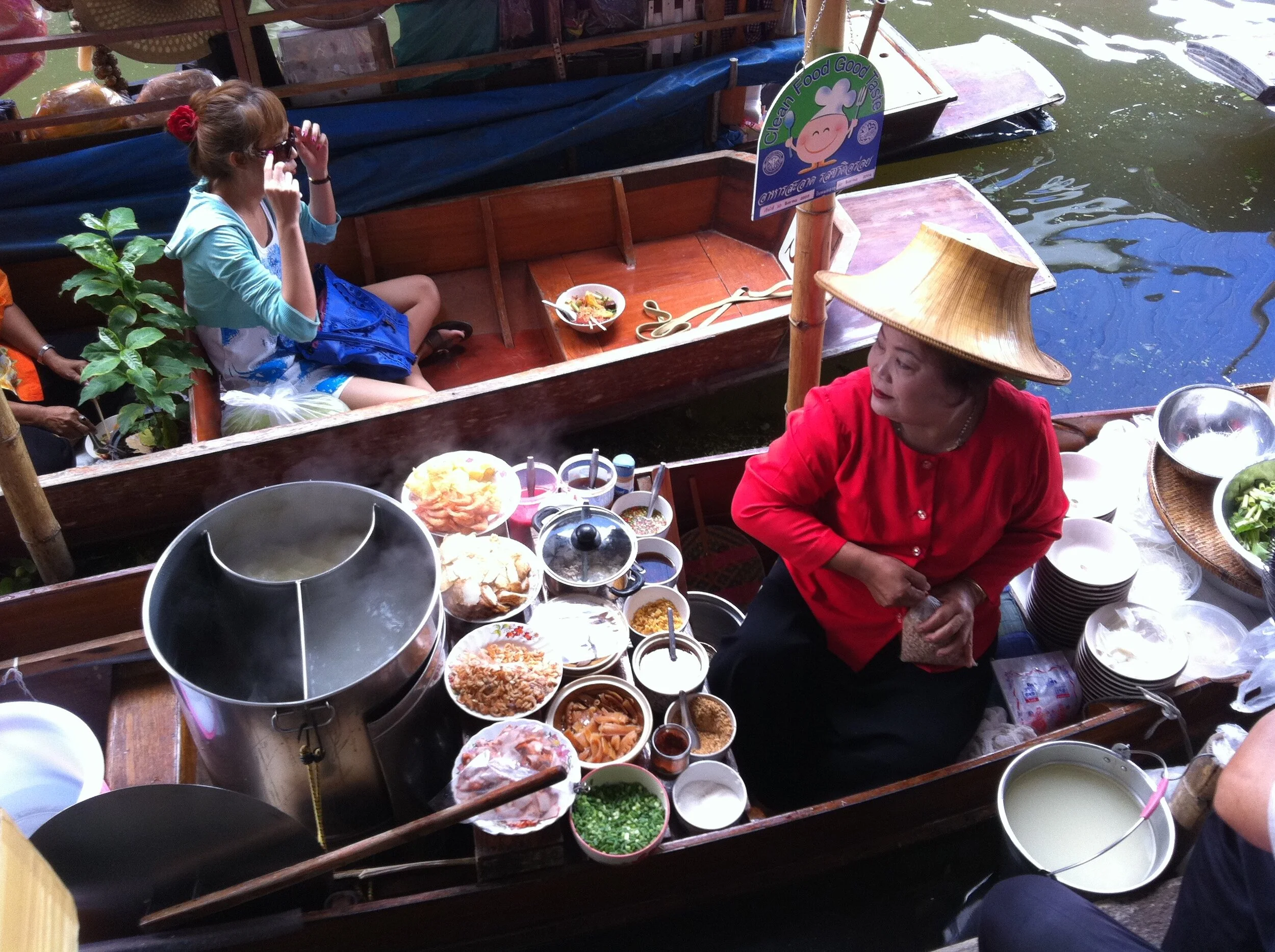
Damnoen Saduak Floating outside Bangkok. Early morning market is bustling and crowd. Food is made from scratch, ingredients are local sourced, taste compete with five star venues in Yelp, and cost is next to nothing considering all these value attributes
Fresh made pad thai was served in a bowl made out of banana leaf. It was like base clearing home run in baseball game.
These buddha statues are in northern part of Thailand. Gold wrap around the statues was interesting way to personalize the statues. [Chiang mai]
Palaces and temple often are topped by towering gold peaks in Phra That Doi Suthep temple [Chiang mai]
Thai folk dance is about micro and incremental moves of upper body, arms, hands and fingers. [Bangkok]
Had an opportunity to peek into a house of local minority. Tea kettle was boiling in dirt ground kitchen. Unfortunately did not have an opportunity to taste the tea but was consumed by the aroma of tea and smokes in the kitchen. Chiang mai has six minority - Karen, Hmong, Yao, Lahu, Akha and Lisu.
Small market in the mountain in Chiang mai drew the attention with local minority traditional folk dress for small children. Color scheme is boldly defined.
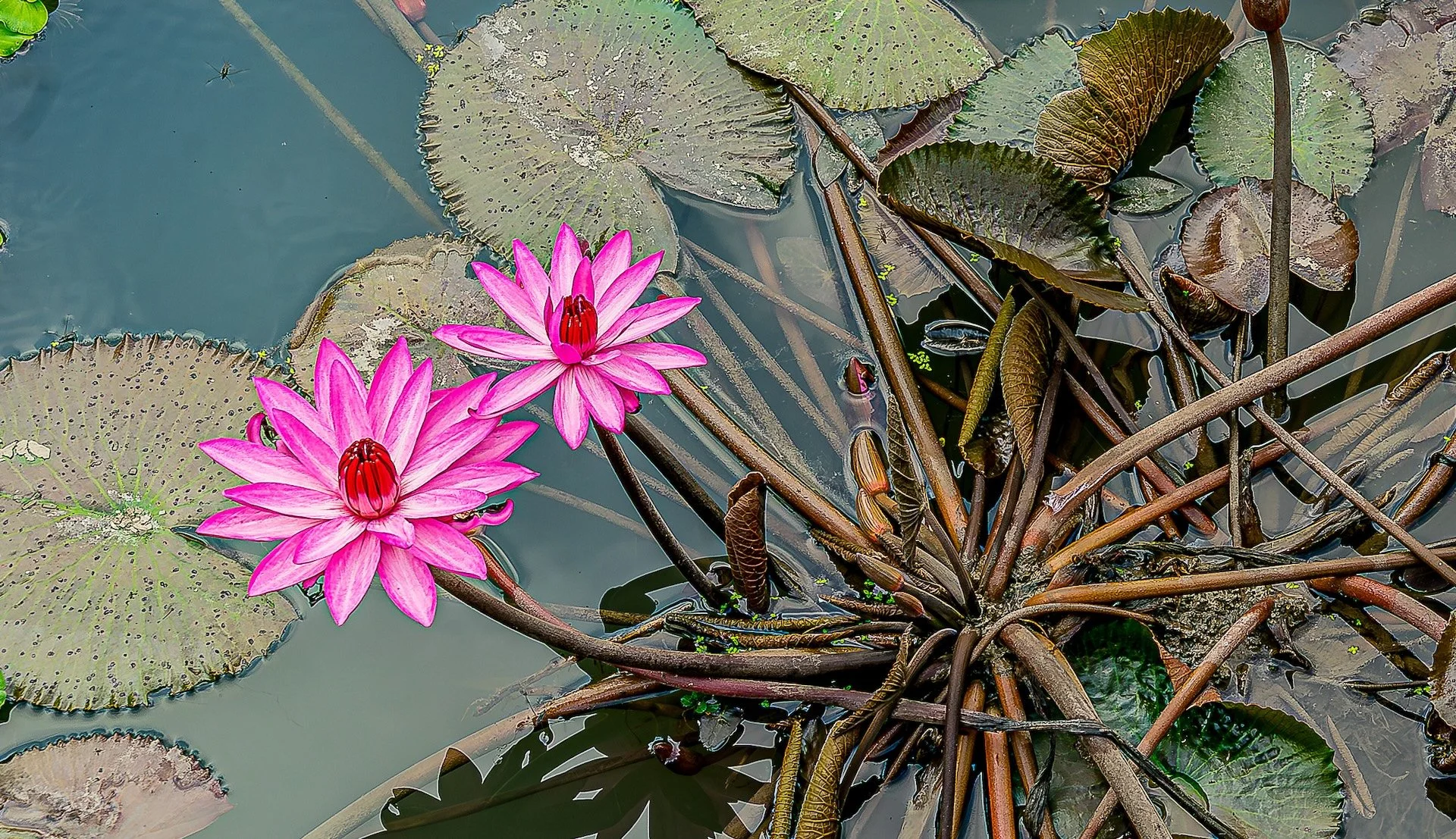
Color definition of the flowers in Thailand easily provoke the “ahhh…”. It is more than simply beautiful since is exotic.. [Bankok and Chiang mai]
Thought the butterfly was fake or dead due to no sign of movement.
Sensation of twins between the monk and the buddha. Wondered what this monk was formulating at this time [Chiang lai]
Small pickup trucks are modified for transportation. Rode once and it cost about $0.40 (in 2016) flat rate.
A little off the main thoroughfare shows buildings for locals’ residence and retail spaces. Local face of Bangkok.
Restaurant in upscale shopping mall in center of Bangkok has simple accent using the flowers. Simplicity speaks the beauty far better than complexity.
Thailand has several exclusive places catering towards the ultra rich .
The Chao Phraya river is the major river in Thailand and flow through the Bangkok. Ultra modern city scape is well integrated with local’s daily life.
Wat (Temple) Arun is buddhist temple but the name is from hindu god Aruna. many hundreds or thousands years ago had same source for religions?
Monks go to residential areas or market in early morning and people or merchants offer food and valuable material to support the monks and temples. It is completely integrated life for generation after generation [Chiang mai]
Monk with elaborate tatoo in Bangkok street
Small street vendor along the local market near Hilton hotel [Chiang mai]
Newspaper vendor in early morning along the street. Comfort but determination are well shown for survival and life as on-going matter. [Chiang mai]
Mountains are synonym for Chiang mai and layers of mountains one after another are soothing and also strength.
Elephant conservation is doing their best to save from the abuses and expand elephant population in Thailand [Chiang mai]
One of tigers saved and housed in the conservation [Chiang mai]
This photo studio is about 100 years old and used to be for Thai’s royal family’s portraits. It was exciting to see old studio.
Customers come by a boat or merchants visit customers for sale [Bangkok]
Yet another design and structure of countless temples in Thailand. Splendid color scheme only be created by the religious artists.
Flight scheduled around midnight in Bangkok. Flight crews are coming down through the alley.
Visited Bali, Indonesia for hiking in jungle and mountains which are about three hours from beaches or city center.
Tried to see locals and natures. While limited experiences, locals were wholesomely good, nice and accommodating the aliens.
Would not hesitate to go back to Bali or other islands in Indonesia to submerge into local life and culture.
Wanted to see local dance one evening. The dance is known as Legong Bapang Saba (may not be accurate name) and the dance is emphasized by eye and facial expressions.
Small god protecting the house. Could not tell either funny or scary for god’s expression. More impressed with the body and head wraps.
Laborers at a local construction site. Curiosity in their eyes for the alien taking pictures.
Local laborers are killing time for wage earning work
Like most of southeastern asian countries, abundant motor bikes are sighted in Bali as primary transportation [Ubud, Bali]
Quite a few European tourists were sighted and the restaurant wants to leverage it.
Start the hiking at 3:00 a.m. ascending the Batu active volcanic mountain to reach the peak before sunrise. Luckily clear morning for framing the villages, lake and the mountain.
This small wooden hut is the place owned by the guide’s mother. So she sells coffee and breakfast.
Immense tree in the jungle in central Bali
The Ubud Monkey Forest lies within the village of Padangtegal, Ubud, Bali island. The village's residents view the Monkey Forest as an important spiritual, economic, educational, and conservation center.
Family gathering passing through the hiking trail in the jungle. I wish I would know the event - celebration or otherwise..
Hiked the jungle around this lake, framed at high ground. Saw wild and exotic crops, fruits, cocoa, coffee and the likes along the hiking path.
Terrace style rice field guarded by coconut or banana trees.
Impressive fabrication of the building structure using bamboo or similar materials.
Overwhelmed by the hotel entrance and lobby especially coming from the nature centric trip.
Framed at the rock heavy ocean side outside the city of Denpasar, Bali, Indonesia
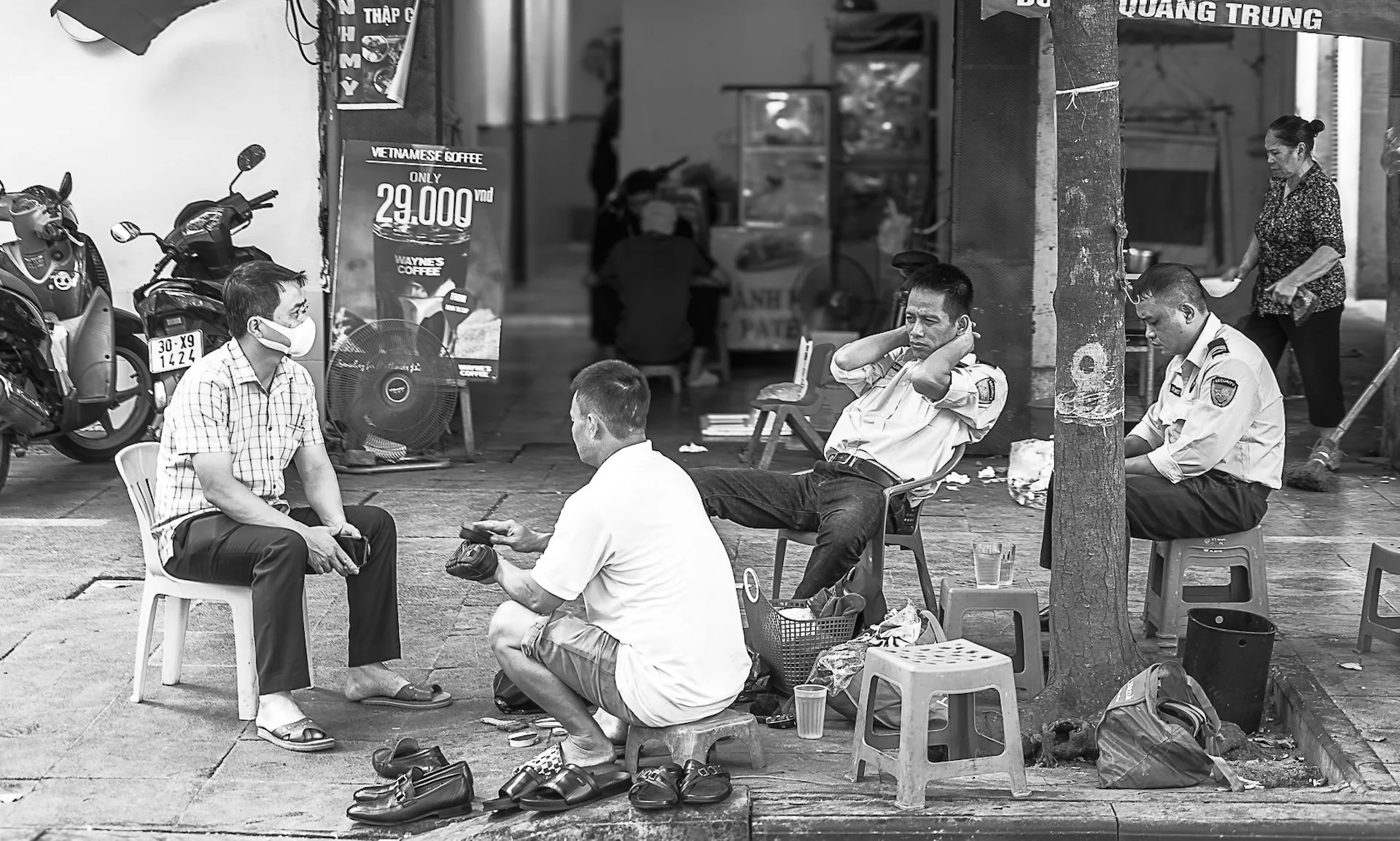
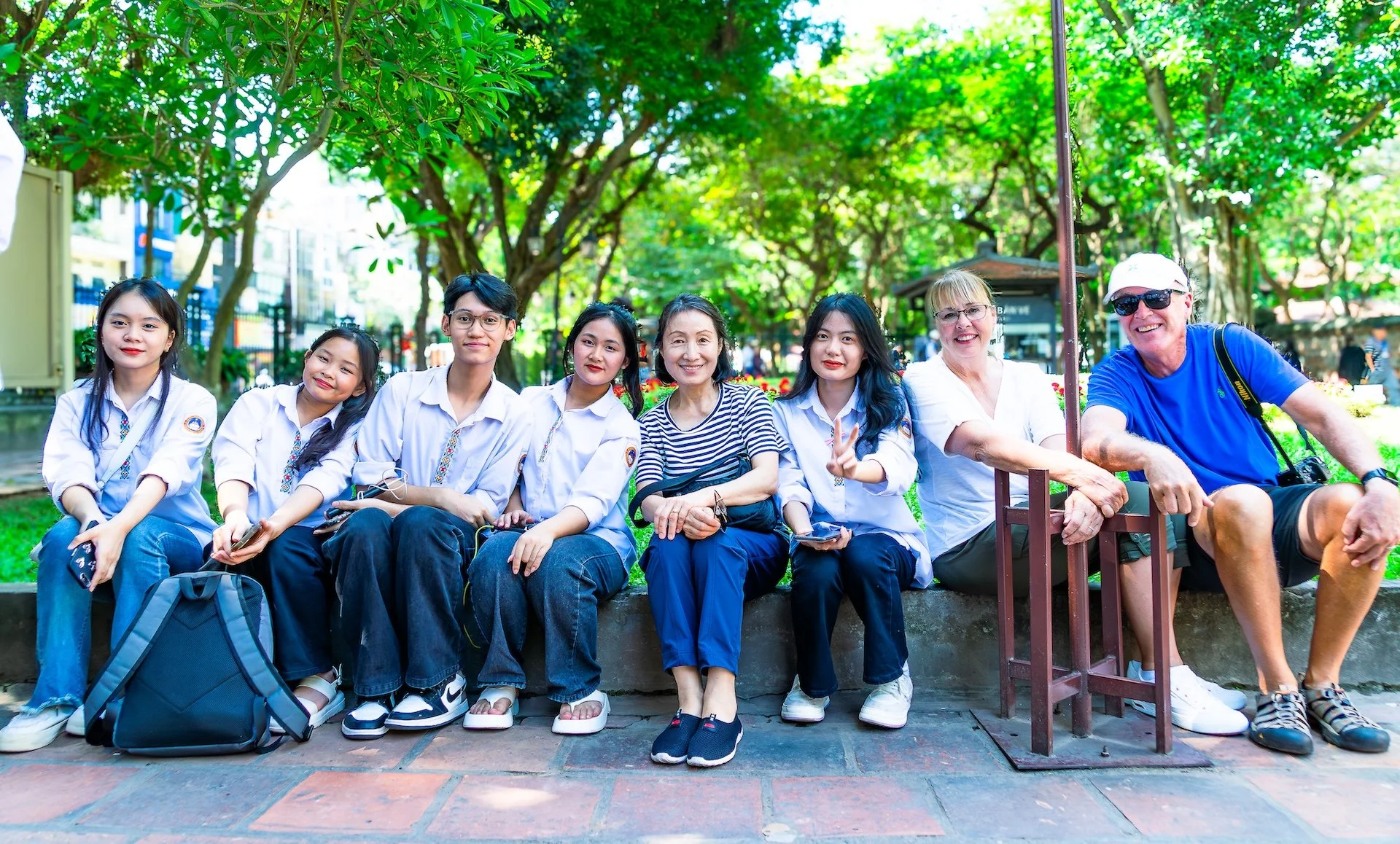
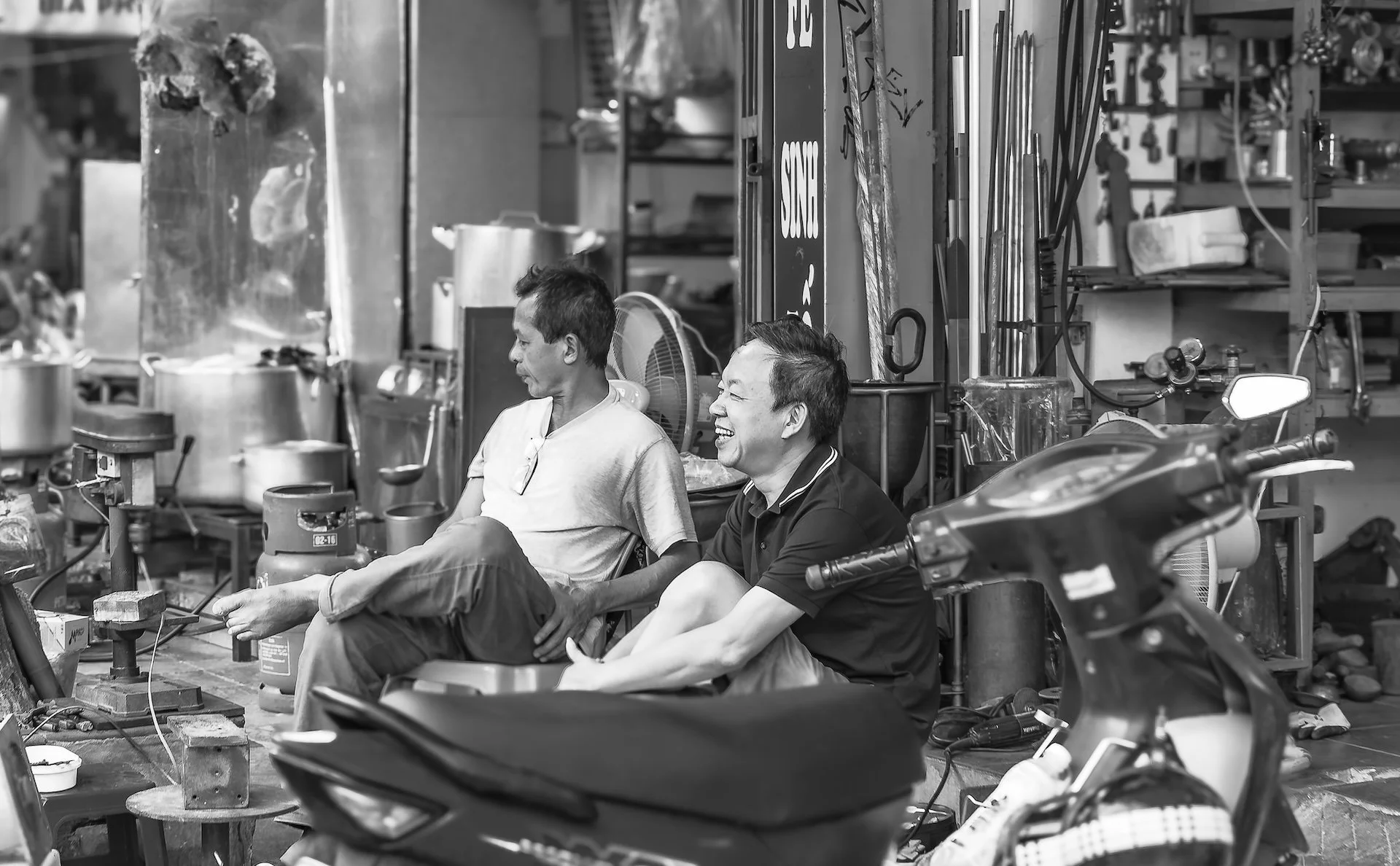
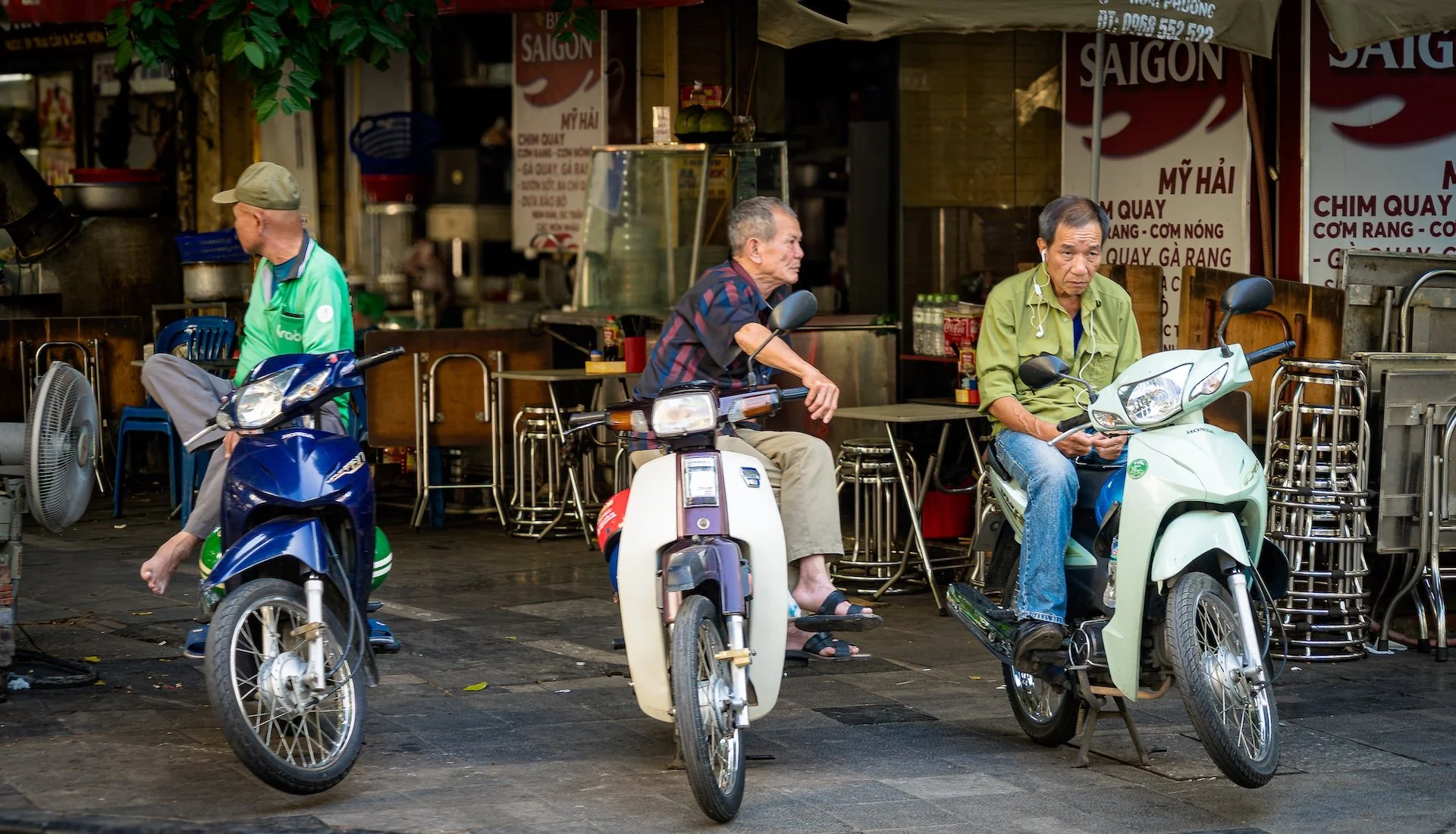
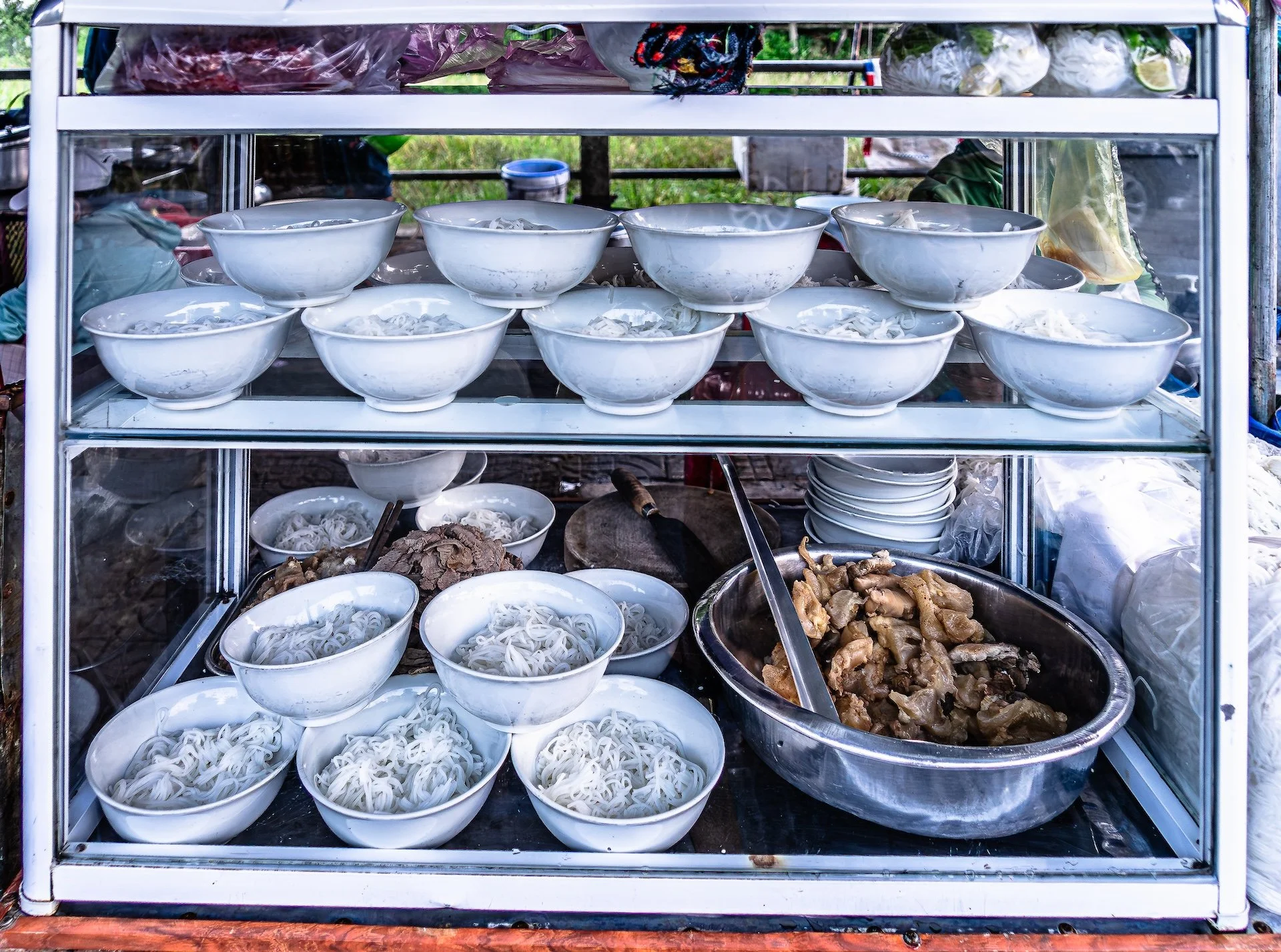
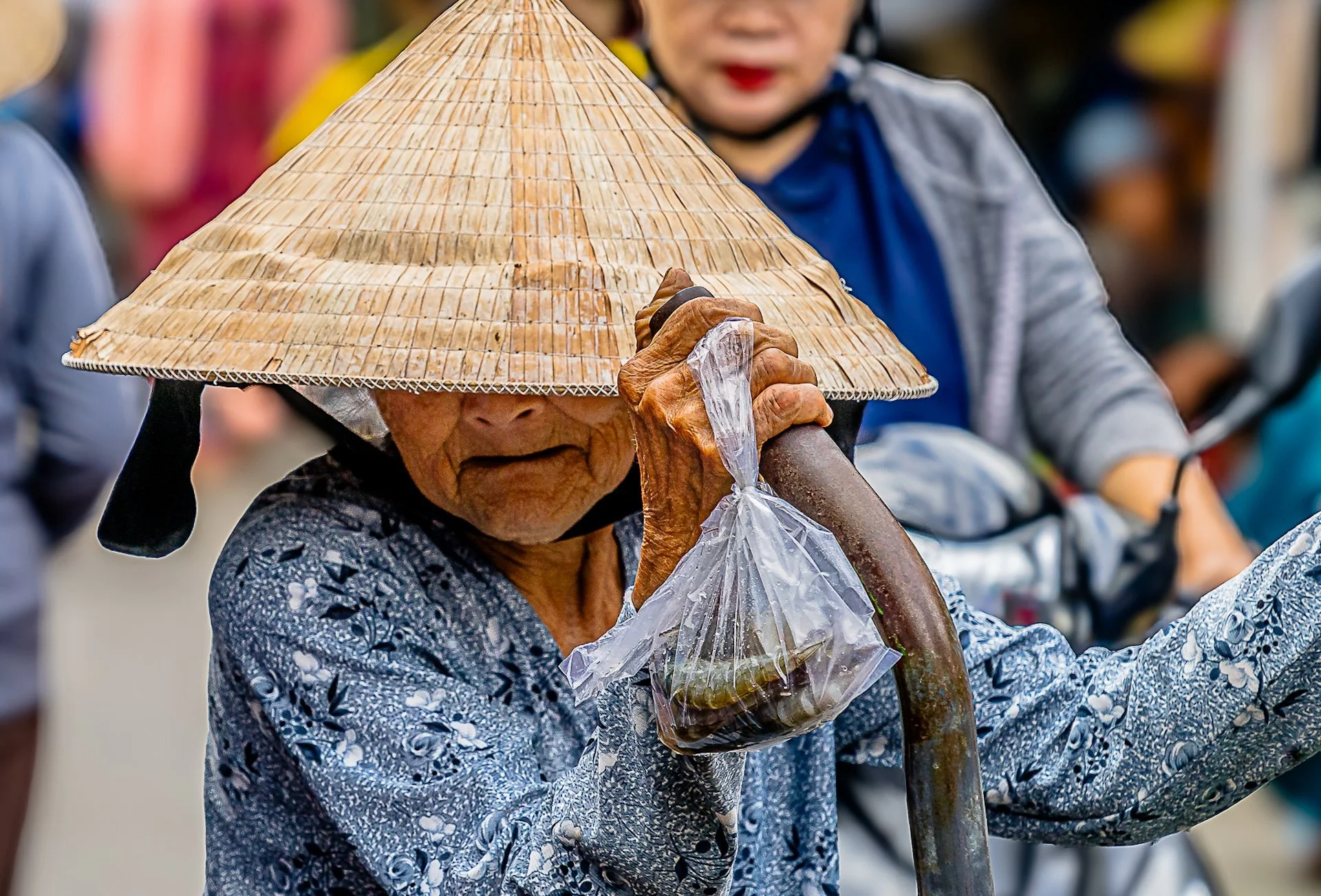
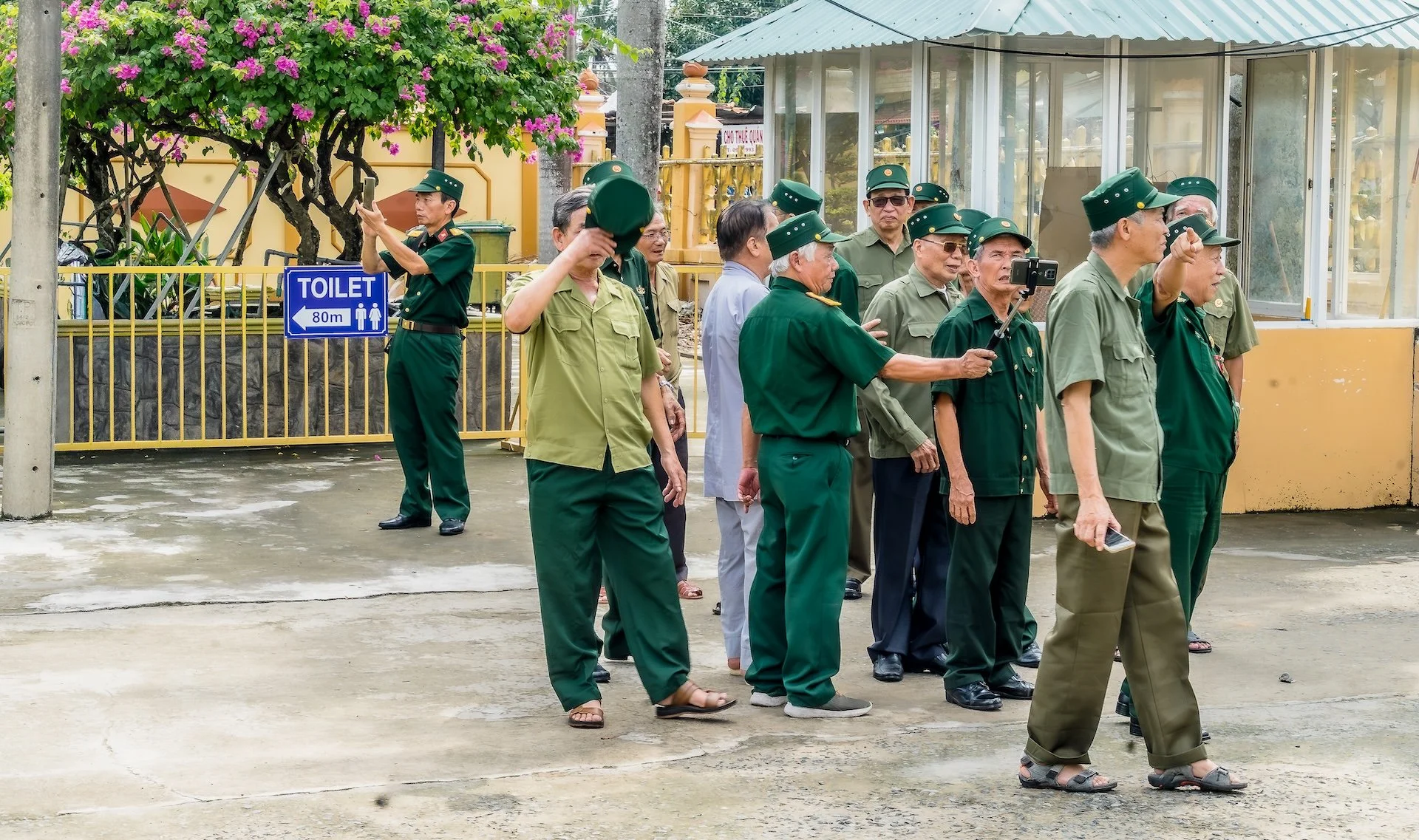
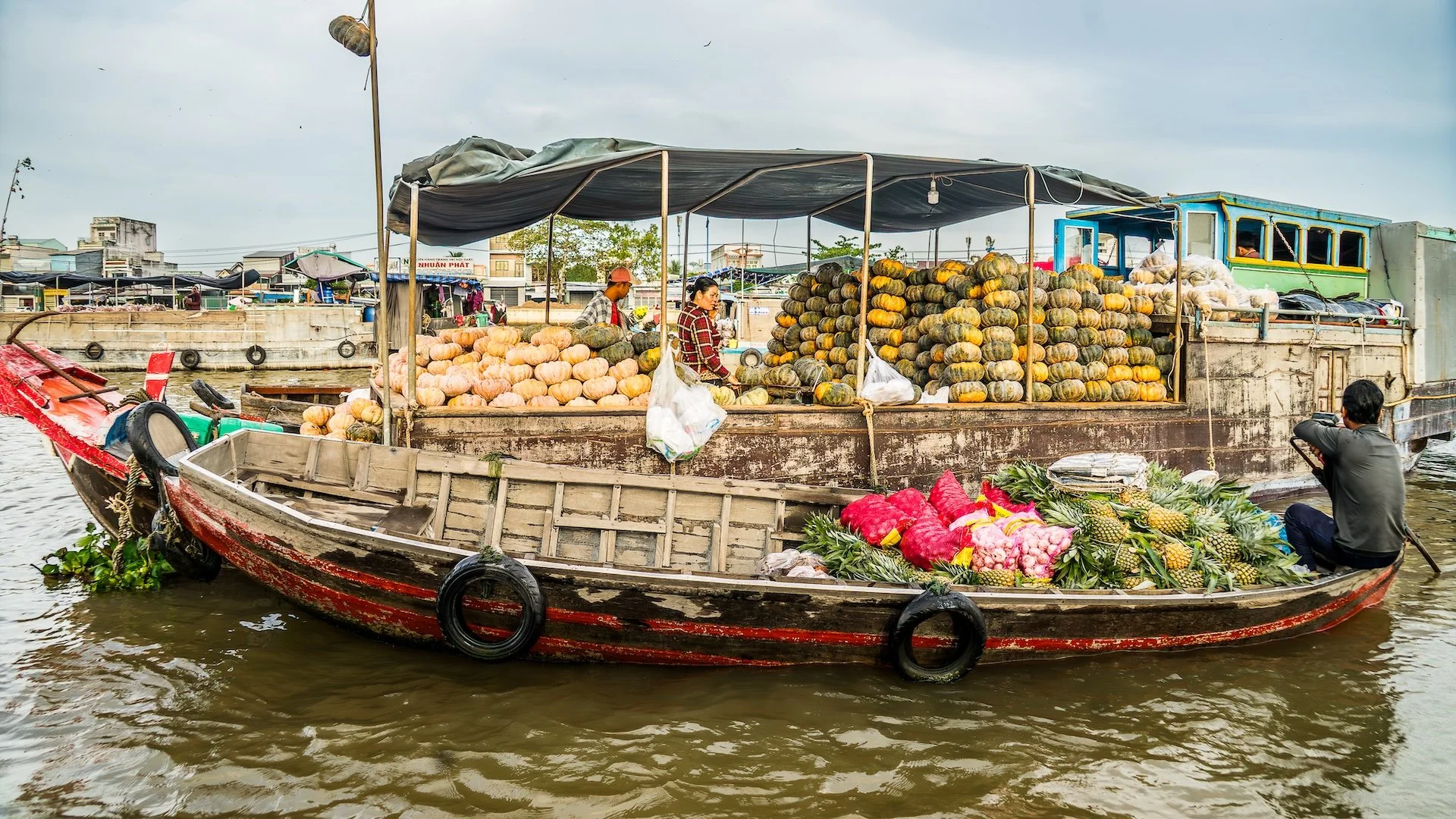
Vietnam's modern history is deeply shaped by colonial rule, prolonged conflict, and rapid postwar transformation: French colonization in the 19th and early 20th centuries, the struggle for independence culminating in the First Indochina War, and the Vietnam War that drew global attention and devastated the country through the 1950s–1970s.
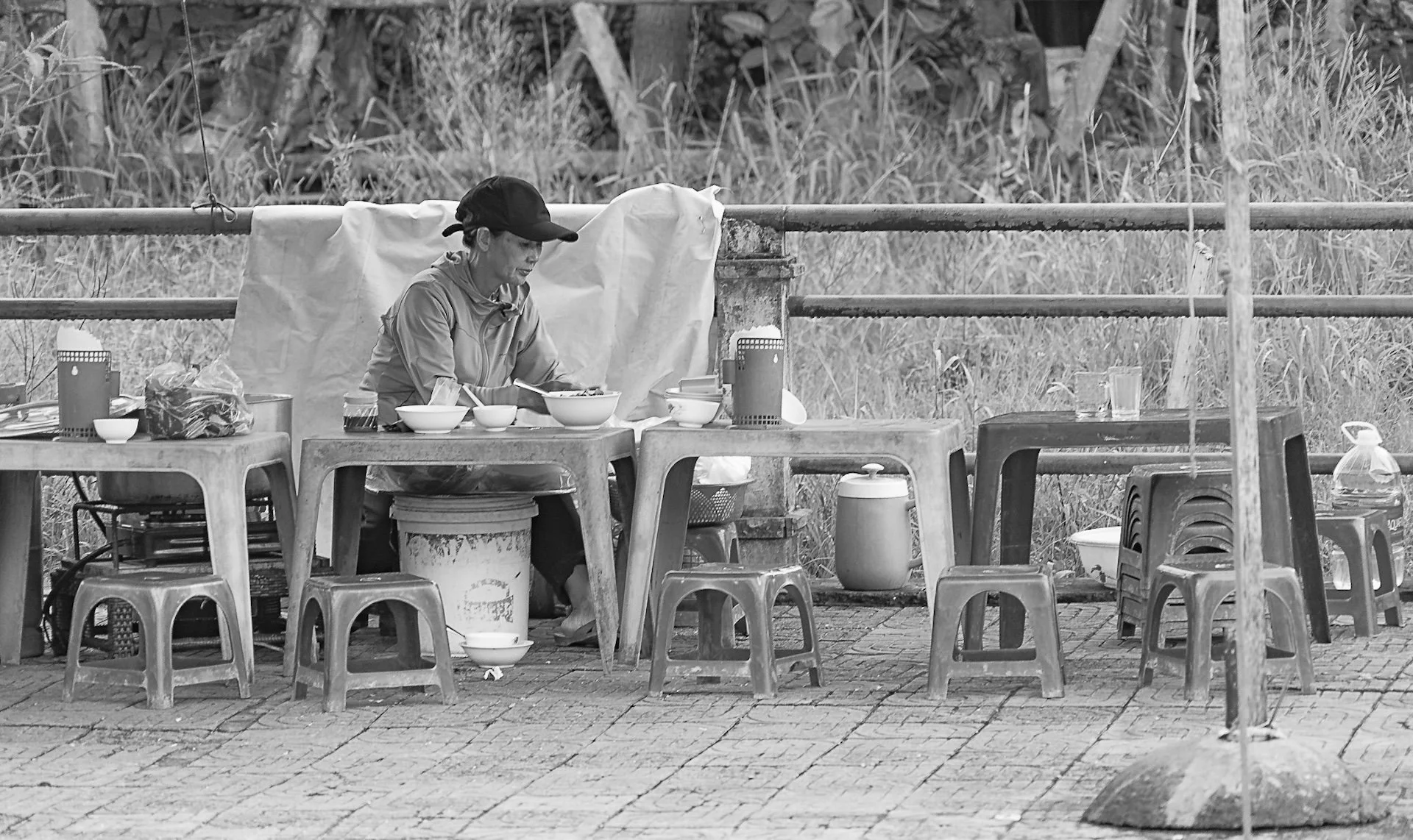
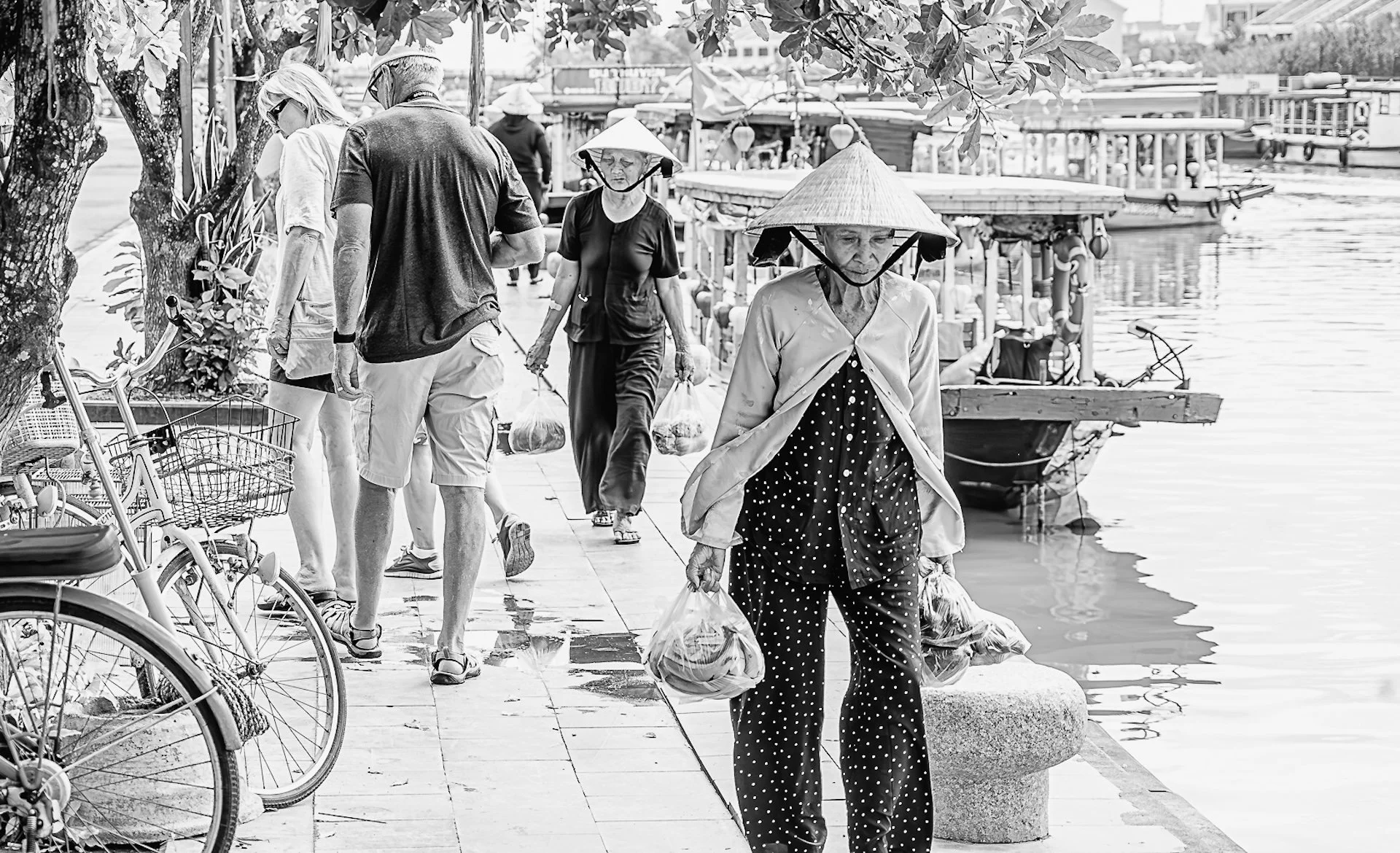
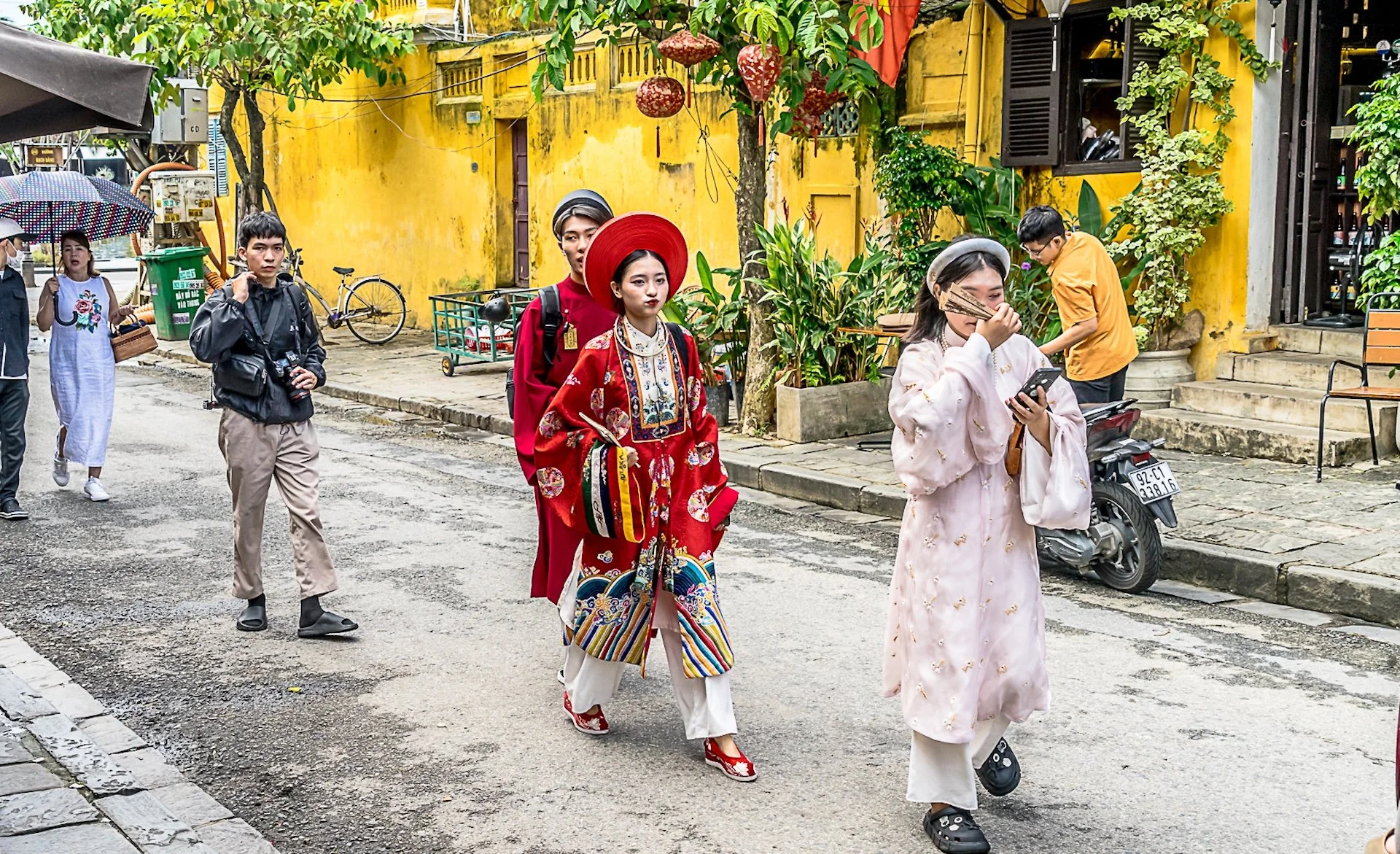
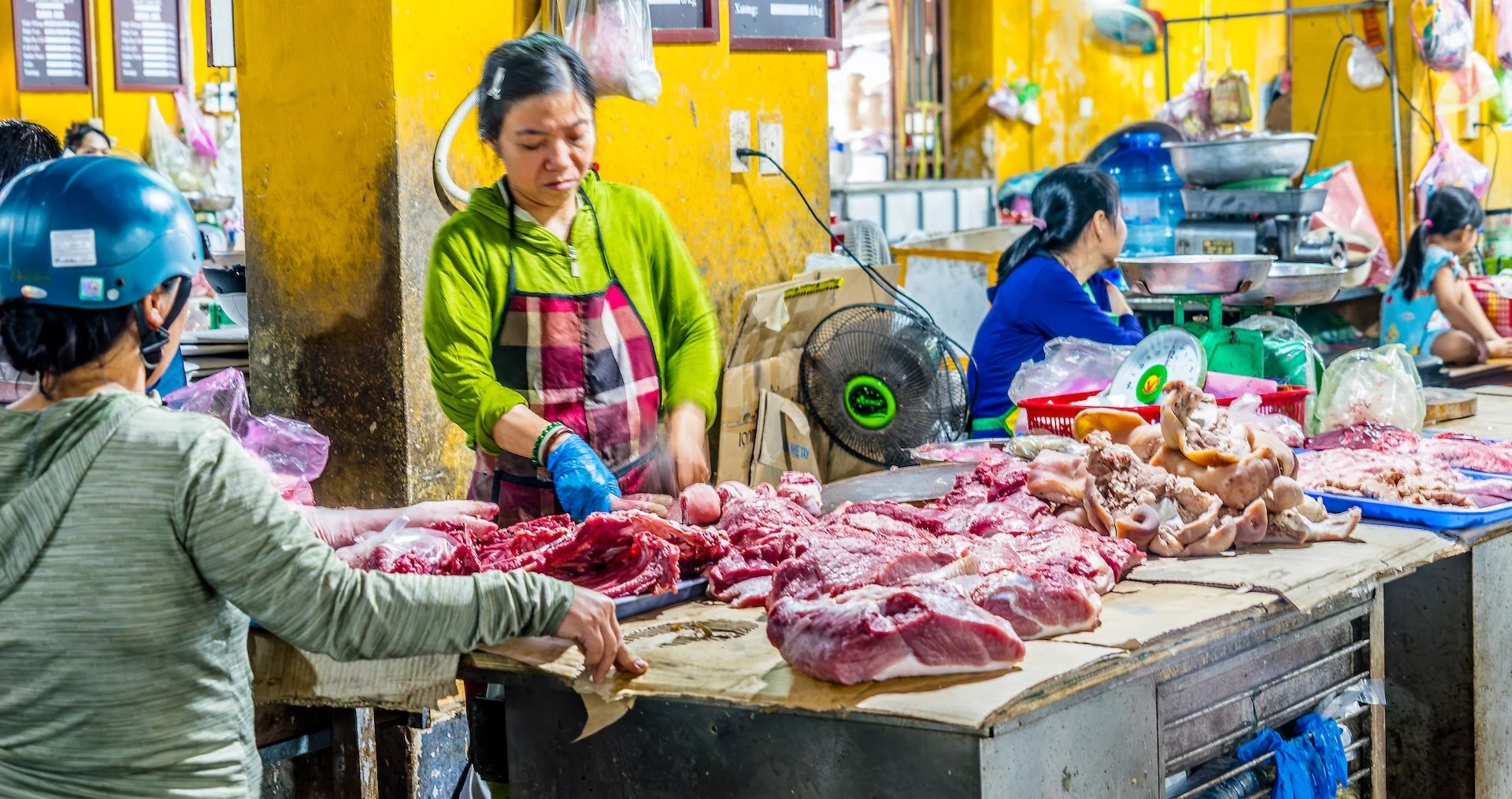
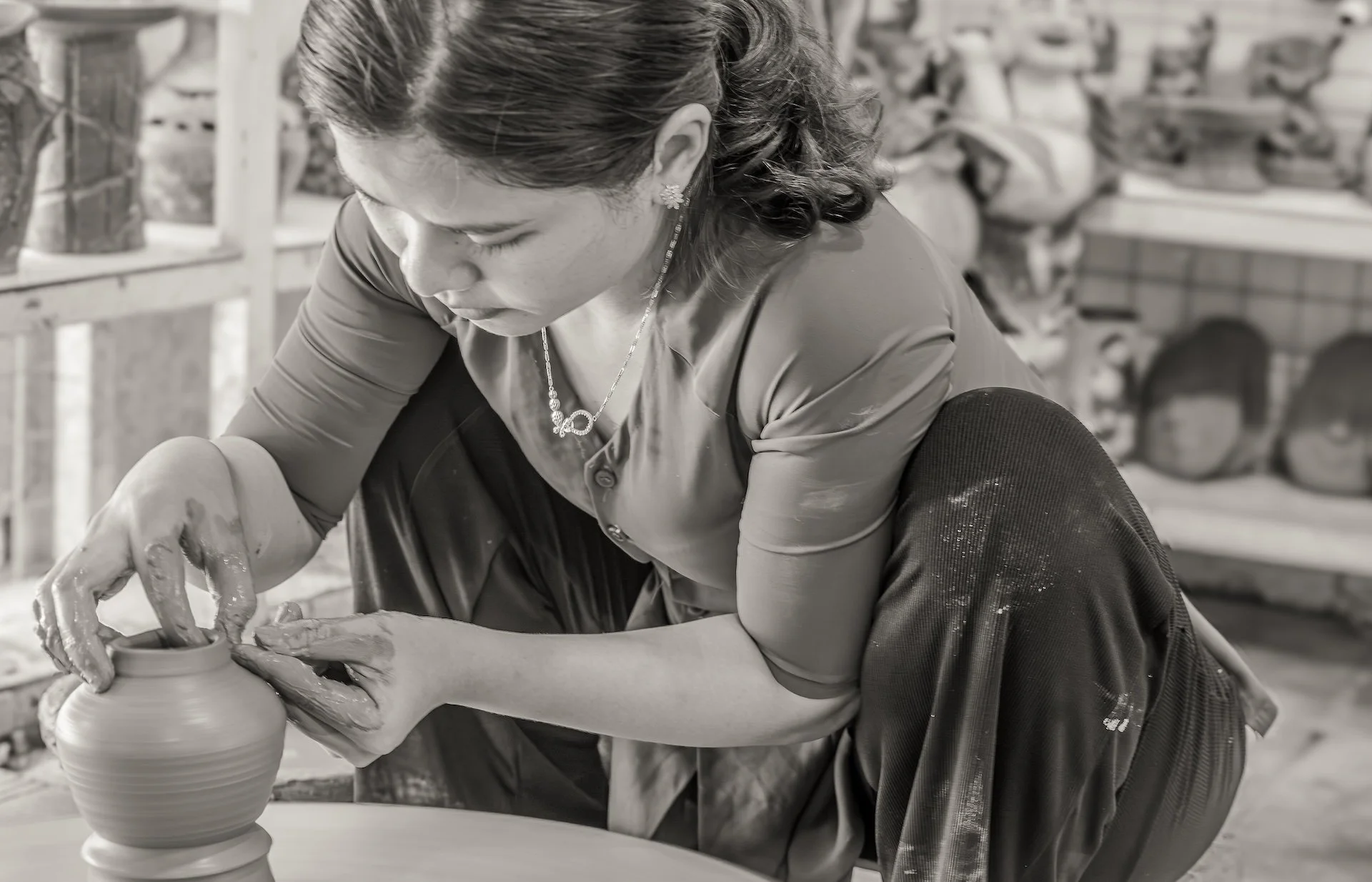
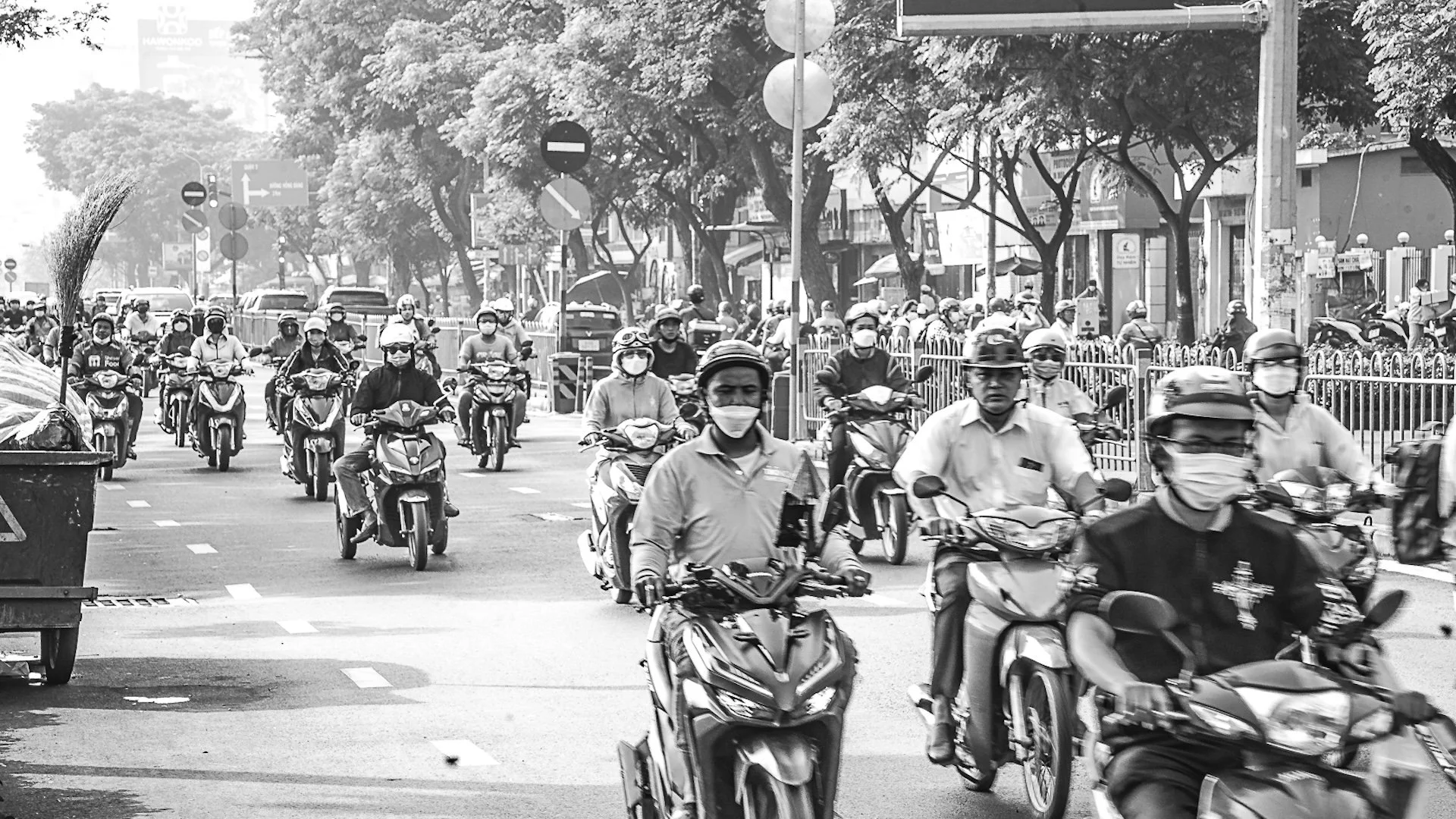
After reunification in 1975, Vietnam faced economic hardship and international isolation, then gradually opened its economy with Đổi Mới reforms from 1986 onward, sparking urban growth, export-driven manufacturing, and expanding tourism. Today, daily life blends resilience and adaptability—older generations carry memories of war and reconstruction while younger people embrace entrepreneurship, digital culture, and migration to cities; family ties, street markets, motorbike traffic, and vibrant food scenes remain central, reflecting continuity amid rapid social and economic change.
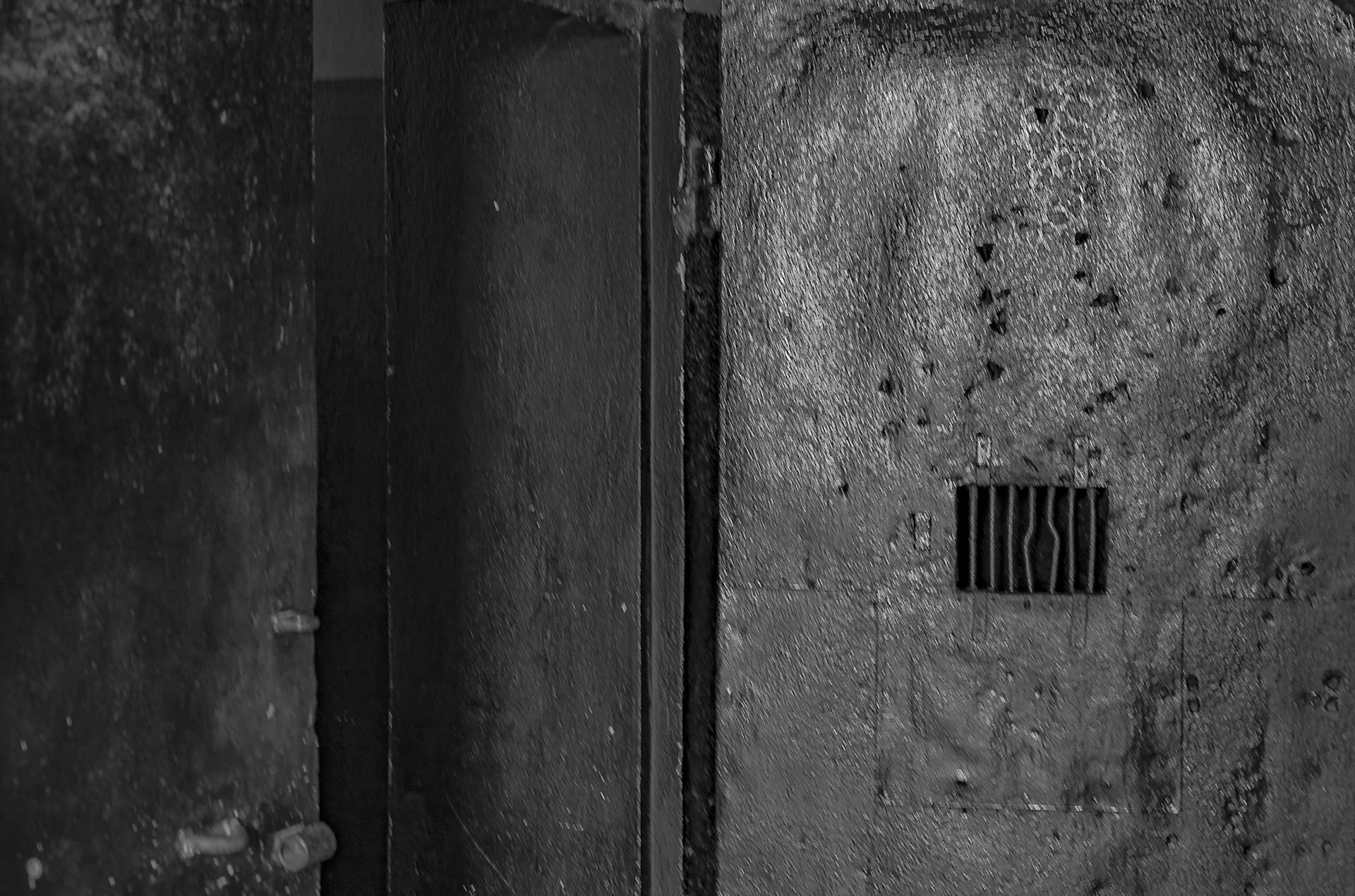
The "Hanoi Hilton" is the nickname given by American POWs to Hỏa Lò Prison, originally built by the French in the late 19th century to detain Vietnamese nationalists and later used by North Vietnam during the Vietnam War to house and interrogate captured U.S. airmen.
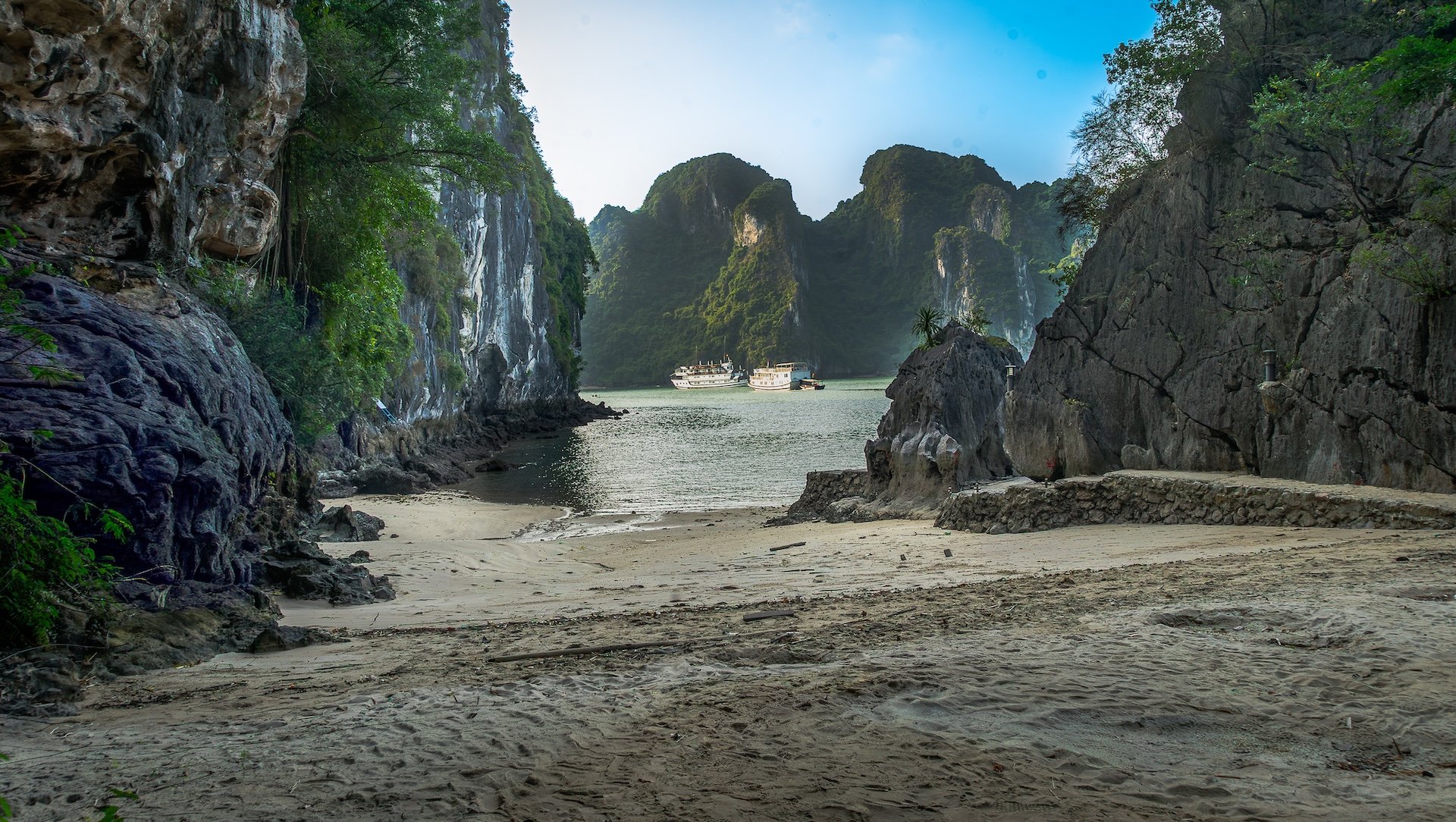
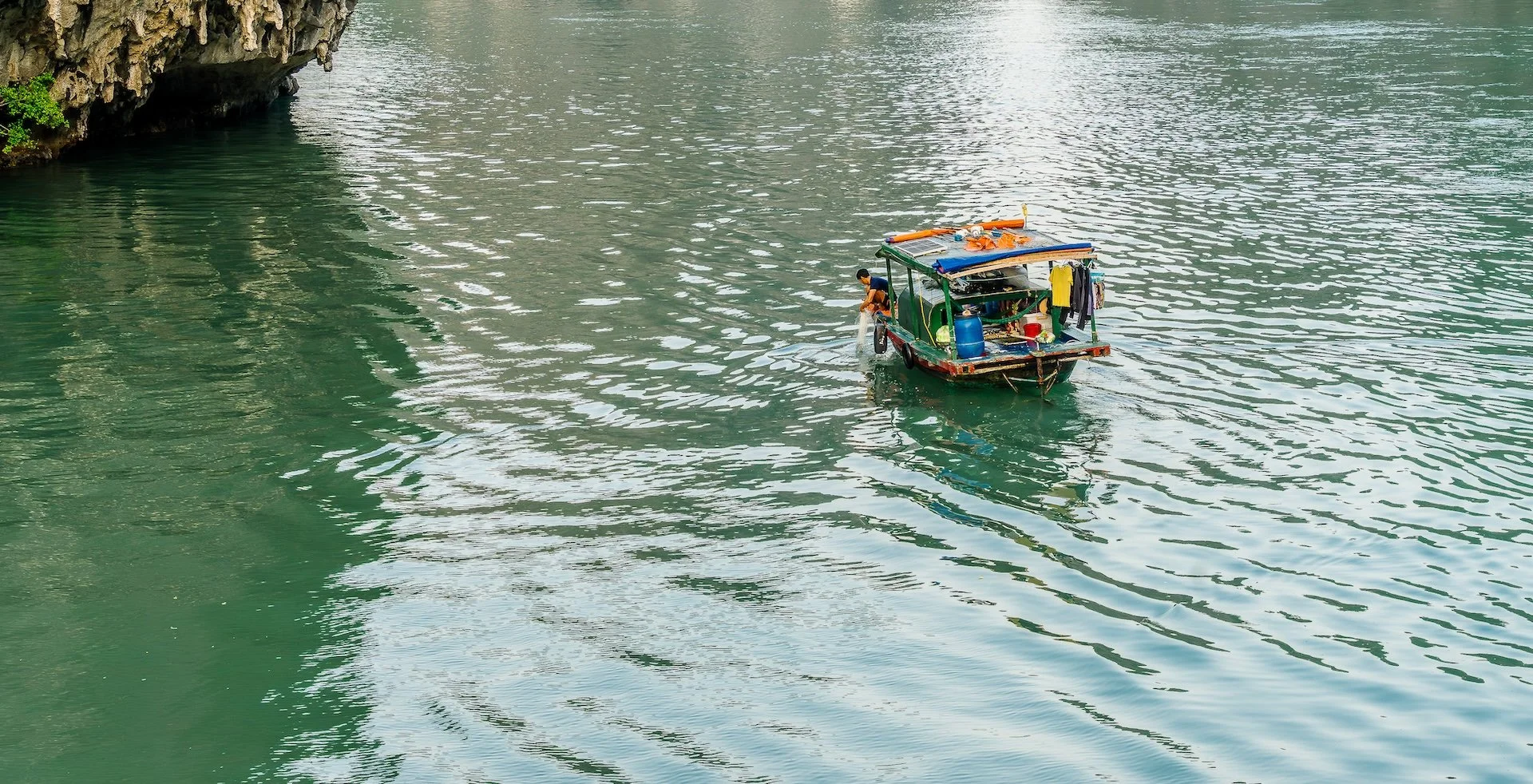
A weathered boathouse like this is a ledger of tides and time — every net and oar a record of mornings spent reading the sea. Fishing here is less about the catch and more about rhythm: checking lines by lantern light, knowing which currents whisper trout and which hold only small surprises, mending a torn net while the gulls argue overhead. It’s a practice of patience and repair, a conversation with salt and season that leaves its marks on wood and hands.
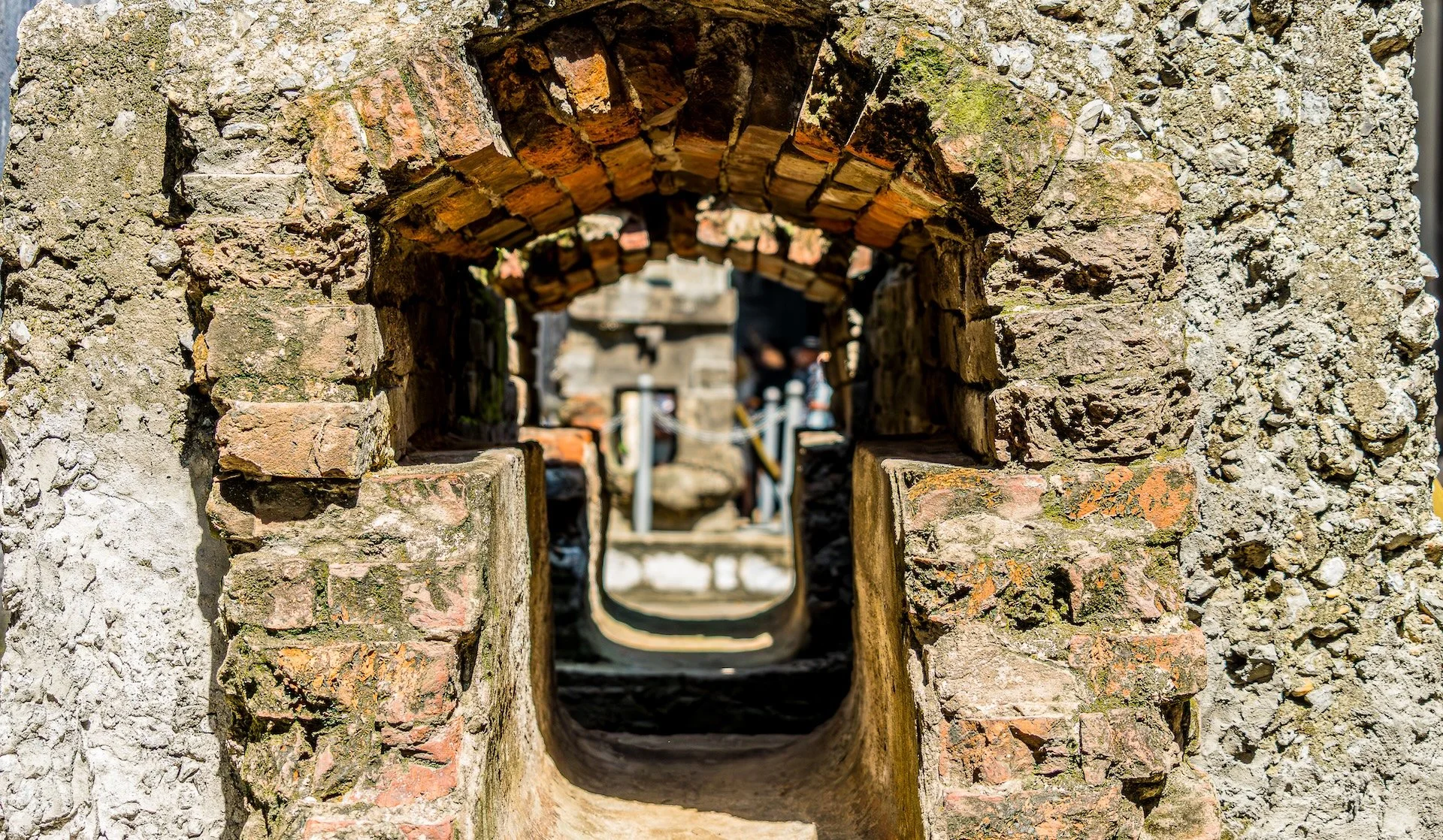
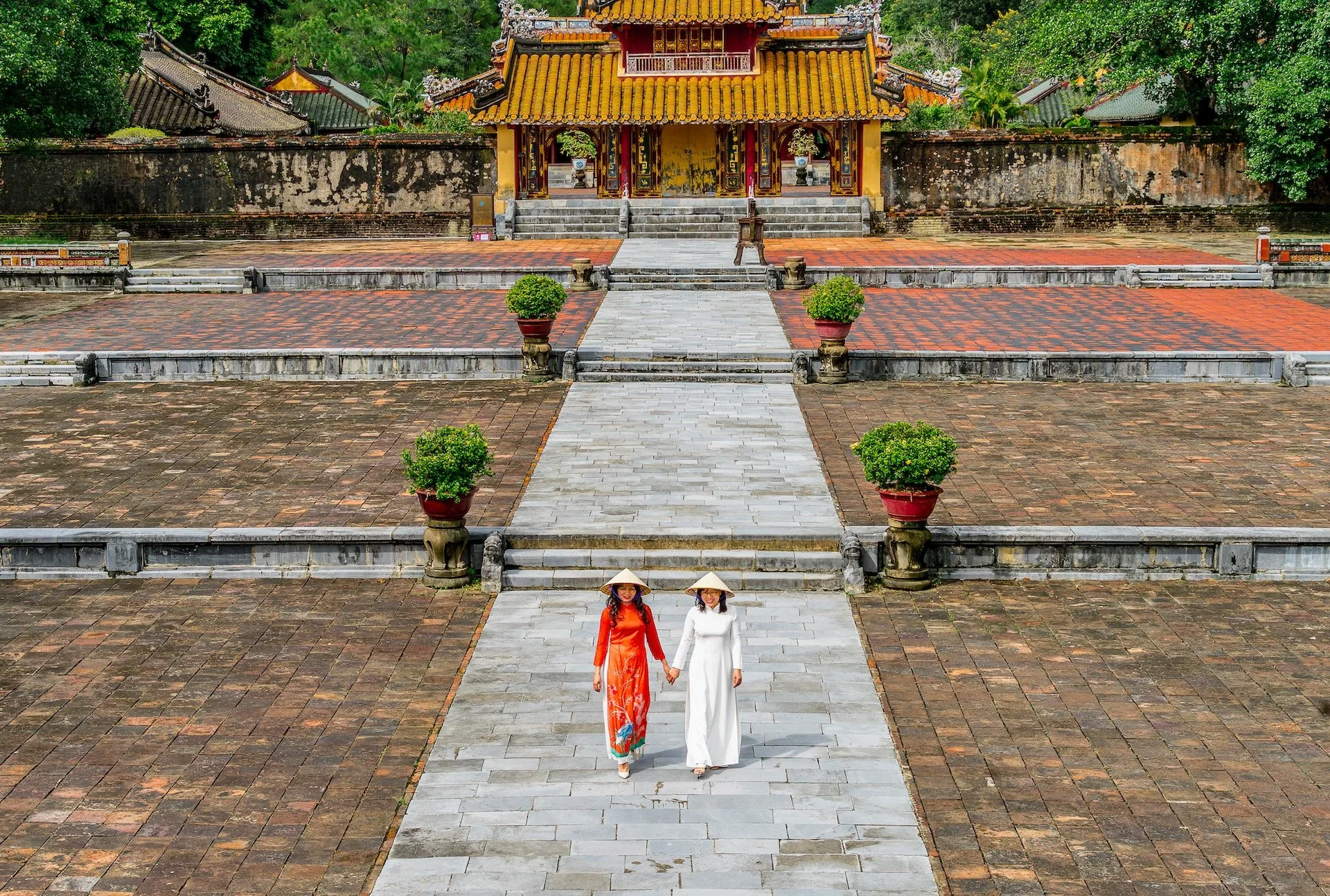
An old Vietnamese palace reflects imperial power, craft, and mixed influences within walled gardens, ponds, and courtyards. Timber halls with sweeping tiled roofs, carved beams, lacquered doors, and painted rafters blend Vietnamese symmetry and landscape fit with Chinese rooflines and Confucian layout, plus later French details. Throne halls, ancestral worship rooms, private quarters, offices, and service areas are marked by stone railings, dragon and phoenix motifs, imperial seals, and calligraphy. Teak, ironwood, brick, glazed tile, and carved stone darken with age. Empty halls echo past rites, incense softens light through paper windows, and worn courtyards invite reflection on dynasties, social order, and Vietnam’s history.
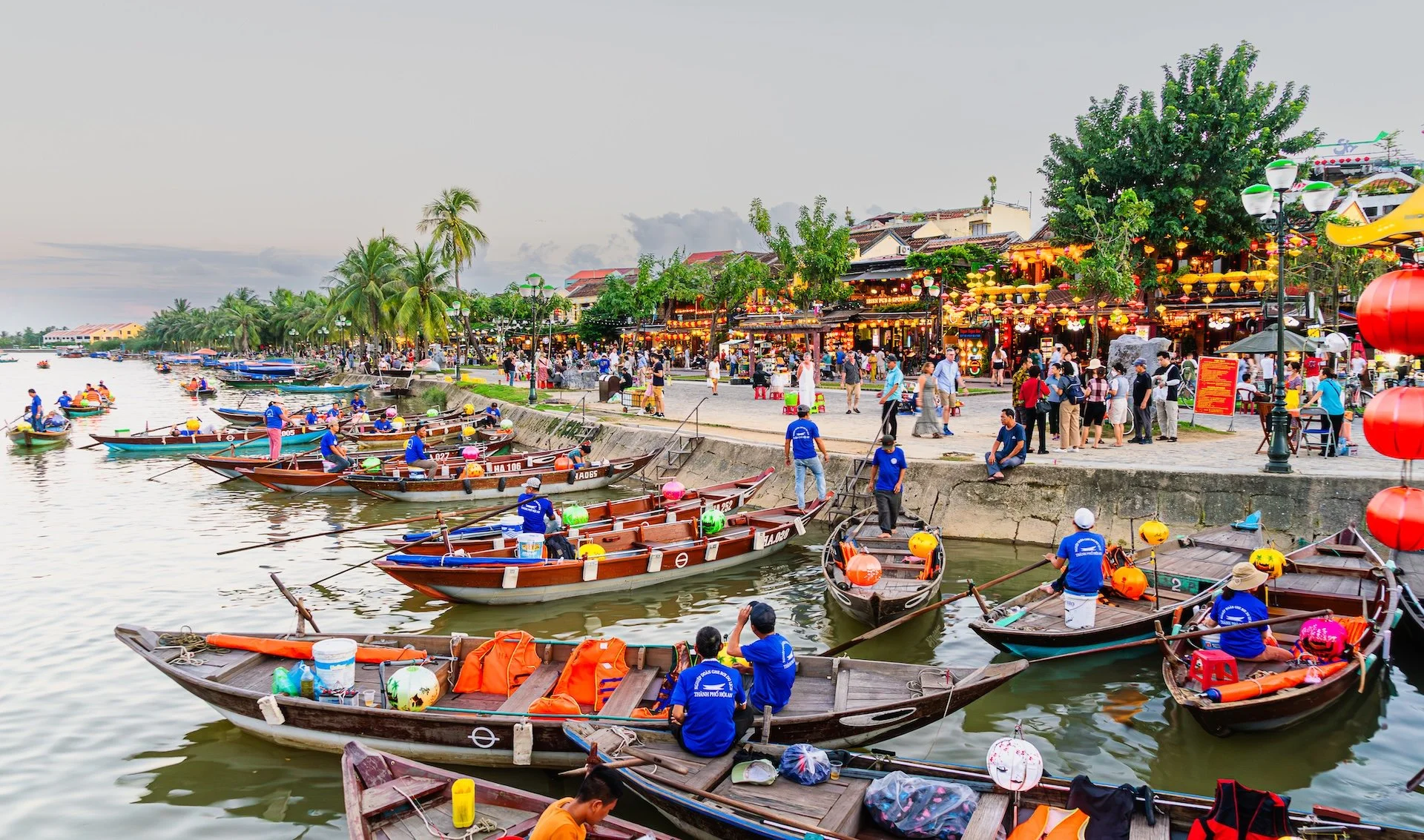
Hoi An’s weekly full-moon lantern night turns the Old Town into a glowing tapestry. Traffic is halted along the Thu Bon River; shops switch off lights while vendors hang hundreds of silk lanterns across streets and alleys. Residents and visitors launch candlelit paper boats and lanterns with wishes onto the water, their reflections drifting downstream. Combining local customs, Buddhist and folk rituals, the event is quiet and contemplative—perfect for intimate night photography. Practical: arrive early for a riverside spot, respect offerings and rituals, and mind candles and belongings near open flames.
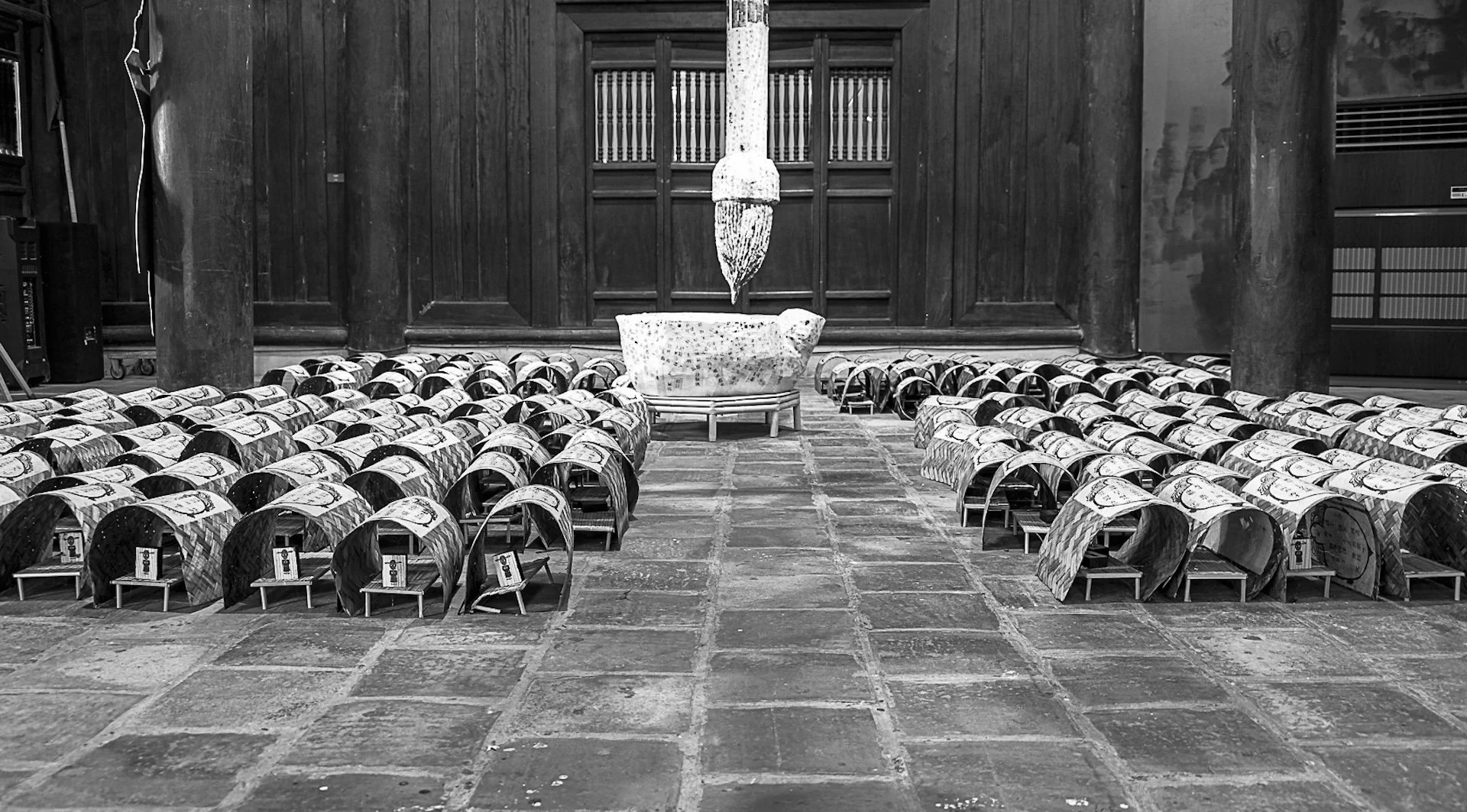
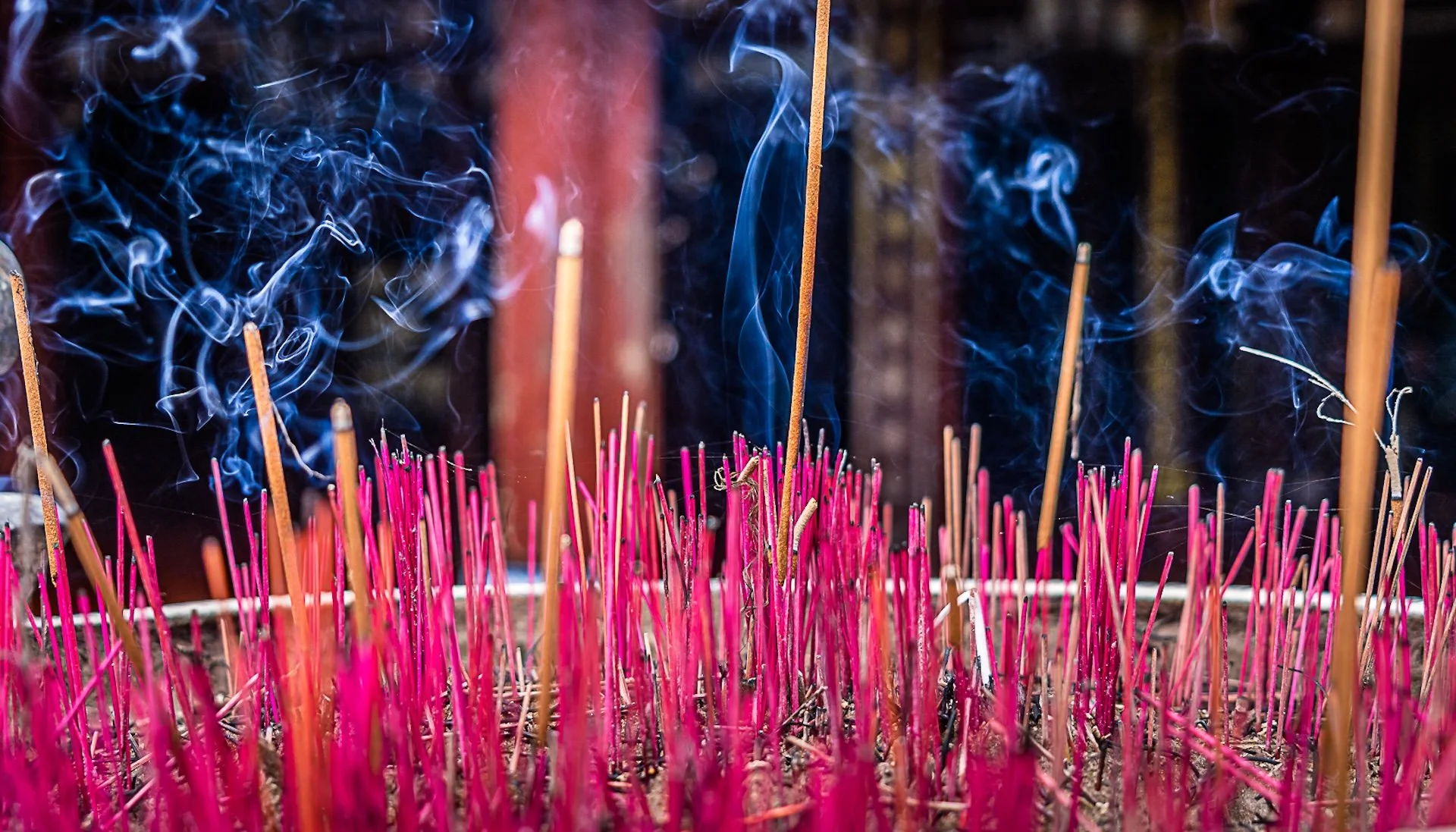
Vietnamese people are very religious and often follow multiple religions at the same time. Buddhism is widespread, mixed with Confucianism, Taoism, ancestor worship, and folk beliefs. Catholicism, Protestantism, and some Muslim communities also exist. People take part in various rites and festivals—visiting temples, honoring ancestors, observing Tết customs, and joining village ceremonies—reflecting a pragmatic, syncretic approach. These layers of belief influence daily life, social values, family obligations, and public rituals.
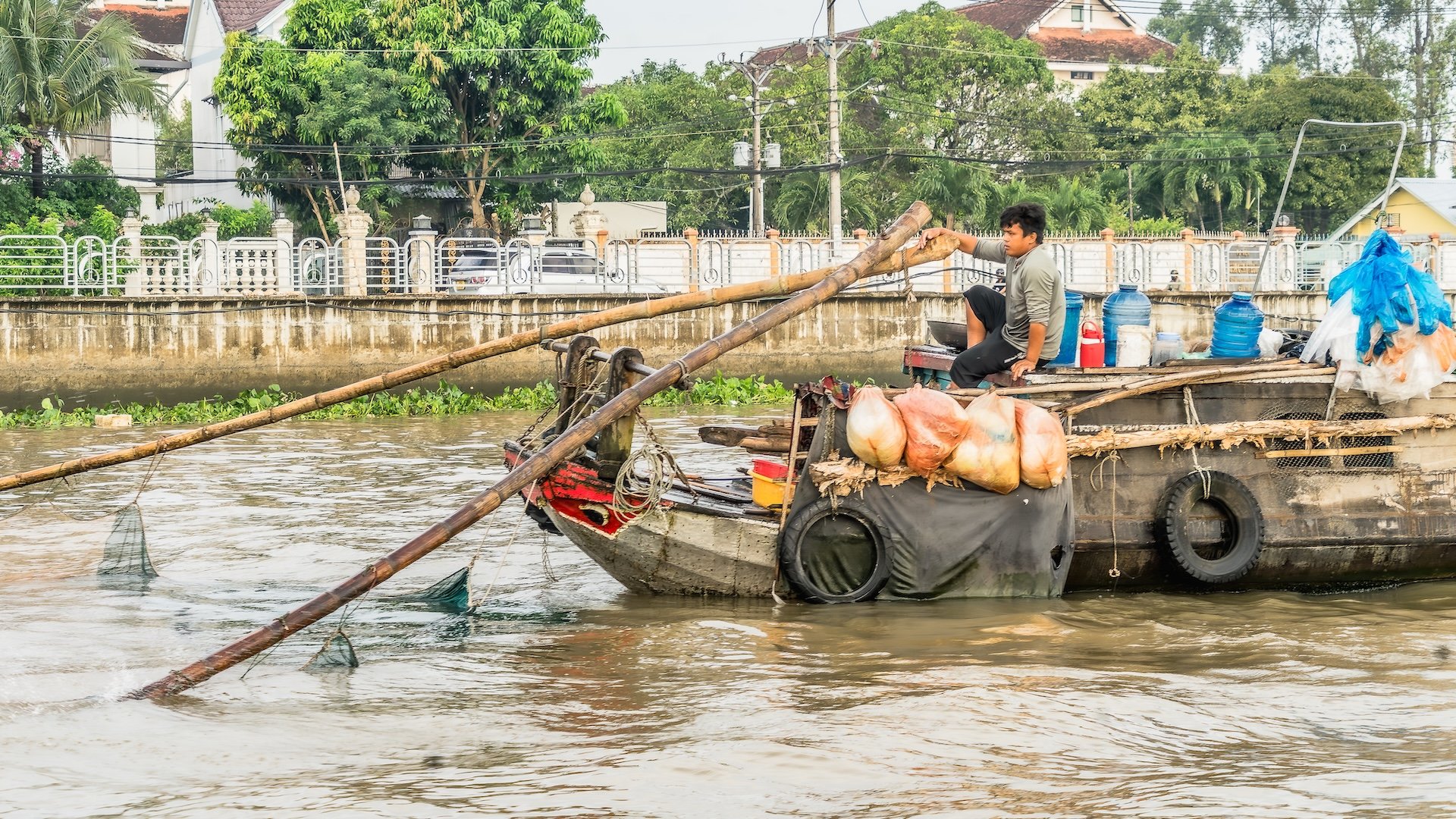
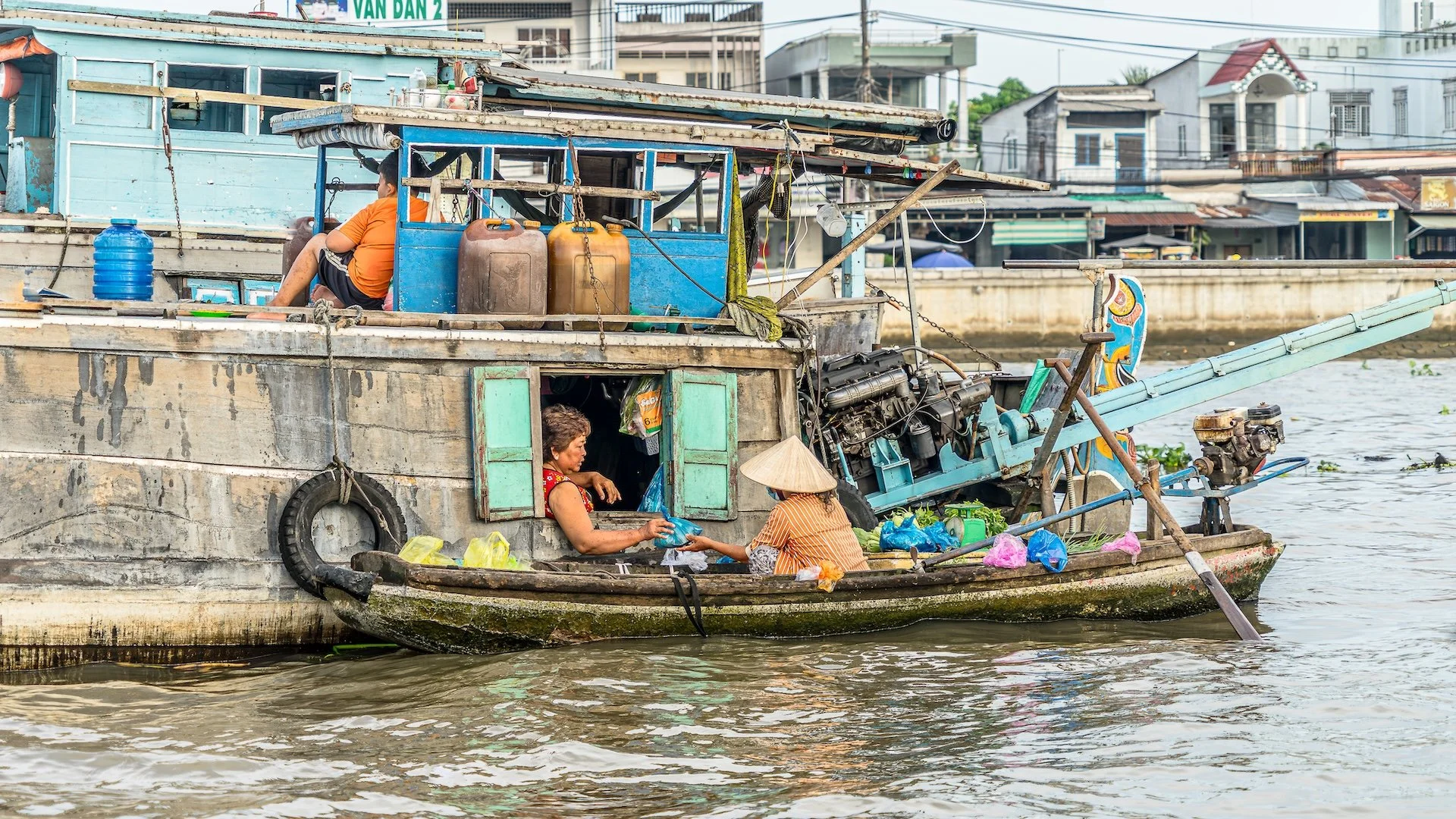
The vendor’s motorboat eased alongside the houseboat with practiced calm, fenders thunking softly against weathered planks as he balanced barefoot on the narrow gap and passed up a crate while Mara traded a battered brass porthole for a woven tarpaulin, slipping a weathered fishing net across the deck in exchange for a packet of faded family polaroids that made him laugh at a picture of his own village.
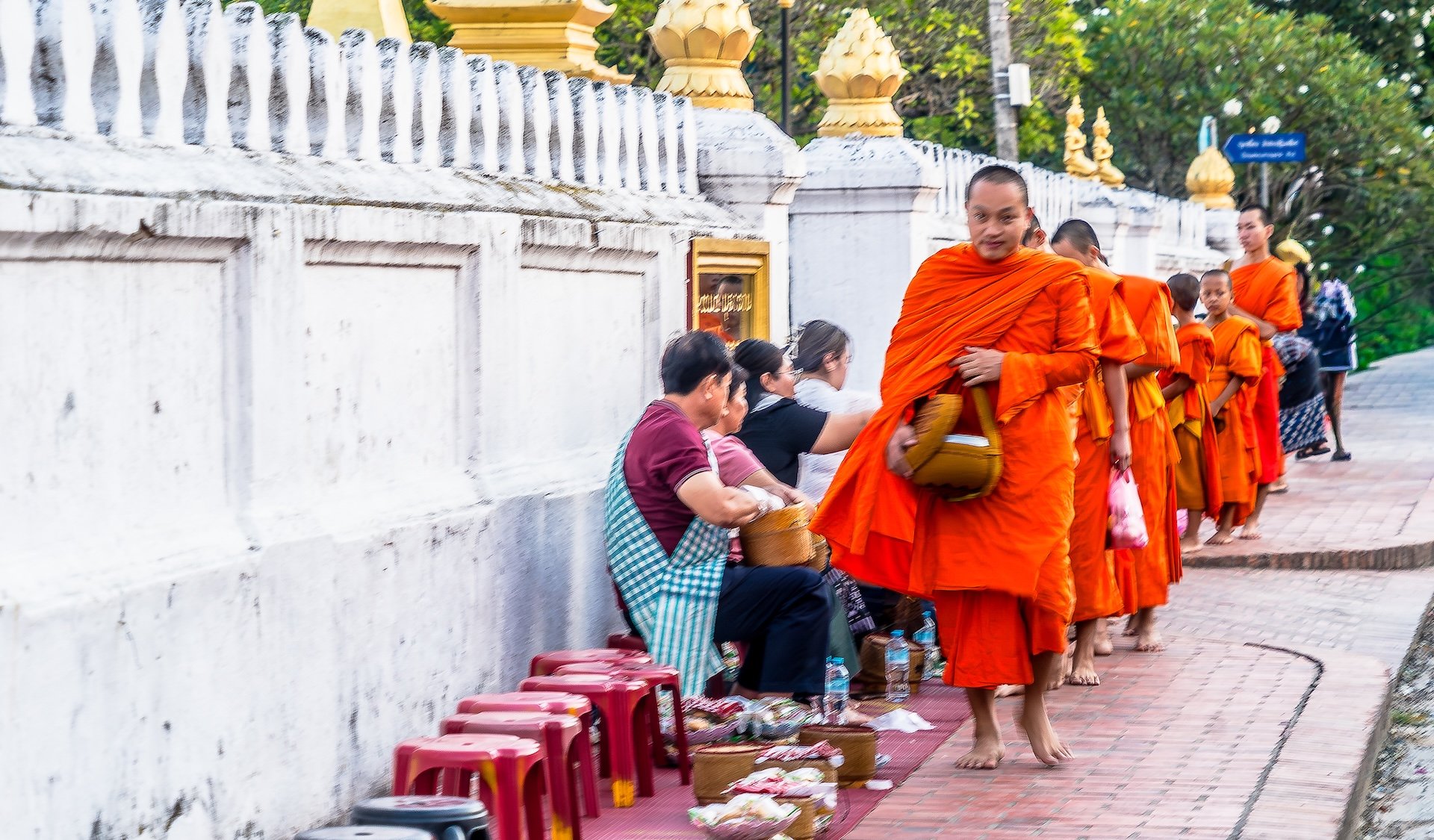
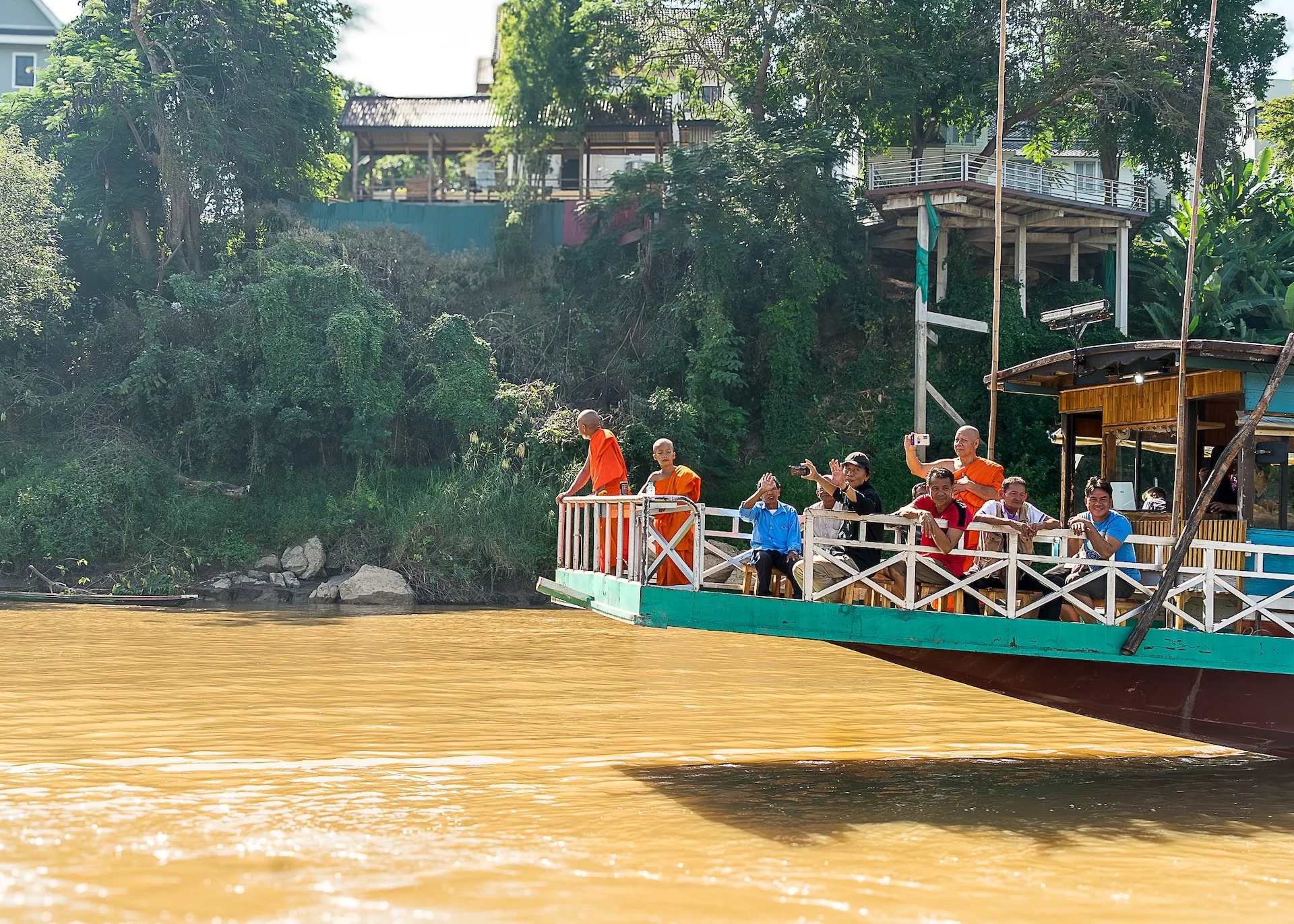
Strongly influenced by Theravada Buddhism, with monks and temples (wats) central to community life. Renowned for silk weaving, silverwork, wood carving, and sticky-rice cooking traditions. Lao music features instruments such as the khene (bamboo mouth organ).
Ethnic diversity includes Lao Loum (lowland Lao), Lao Theung (midland), and Lao Sung (highland) groups, each with distinct customs. Respect for elders and the sangha (monastic community) is important. Politeness and modest dress are expected in temples.
Extended family ties and communal work remain strong; village life often revolves around seasonal farming cycles and temple activities. National poverty rates have fallen but rural poverty and regional disparities persist.
Local residents and participants place small portions of freshly prepared sticky rice, fruit, or simple food into the monks' bowls. The practice allows monks to receive their daily sustenance while giving lay Buddhists the opportunity to earn spiritual merit (bun) and good karma.
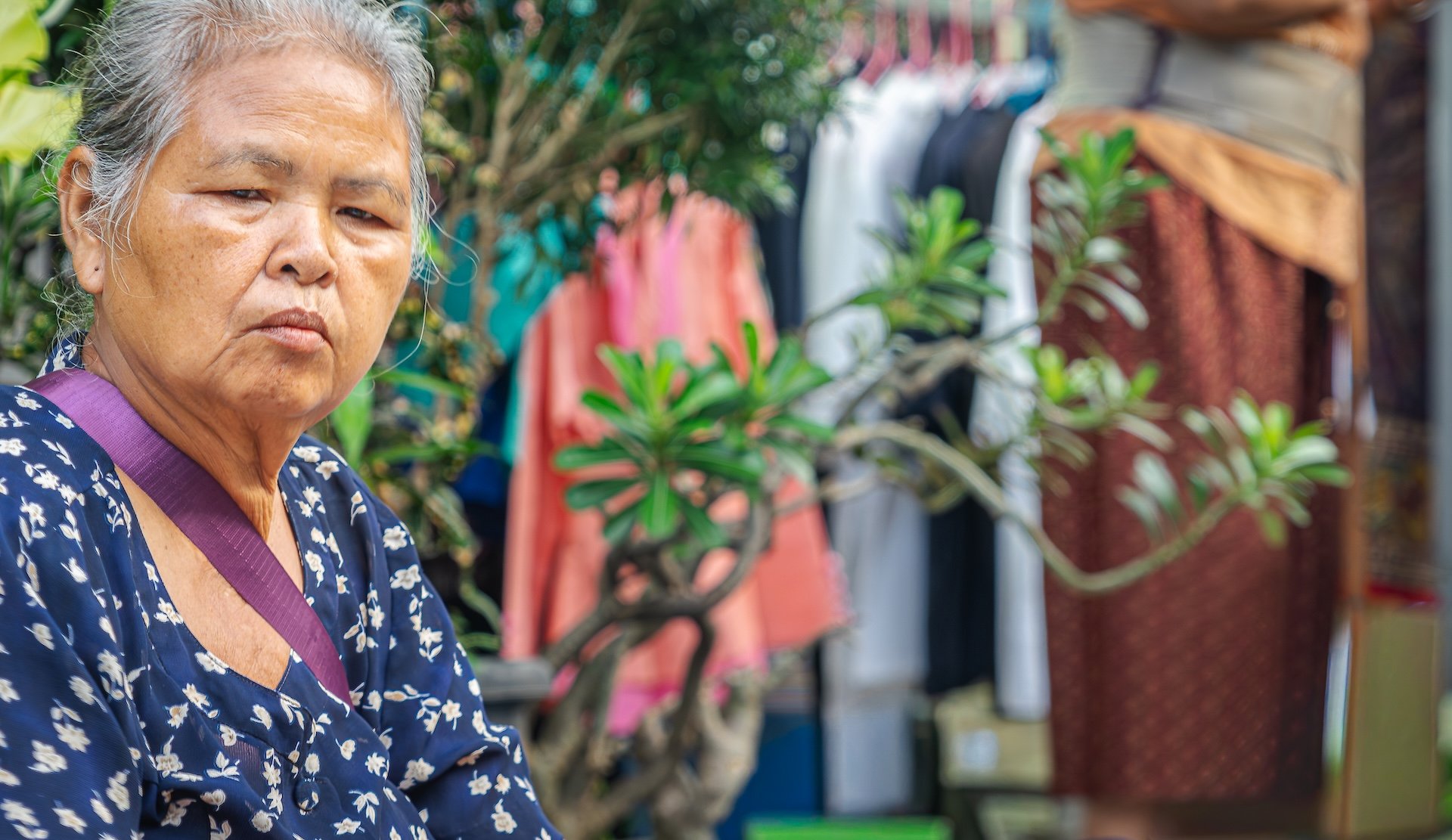
No facial expression makes me wonder how tough life is.
A face that doesn’t speak. The muscles rest in a careful neutrality — neither smiling nor frowning, neither angry nor resigned. In travel photography, those quiet faces often stop me mid-frame. They are a book with the cover closed.
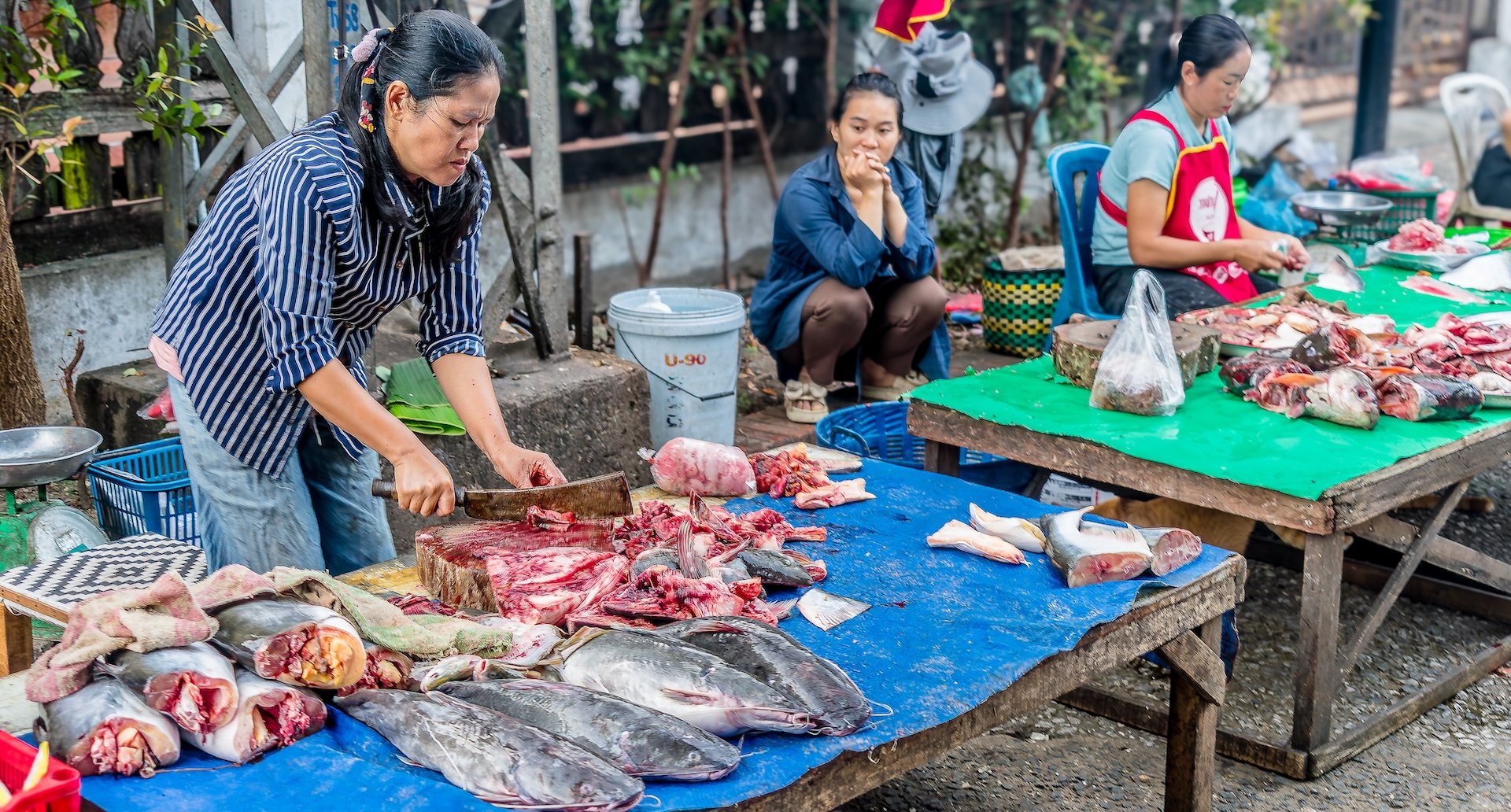
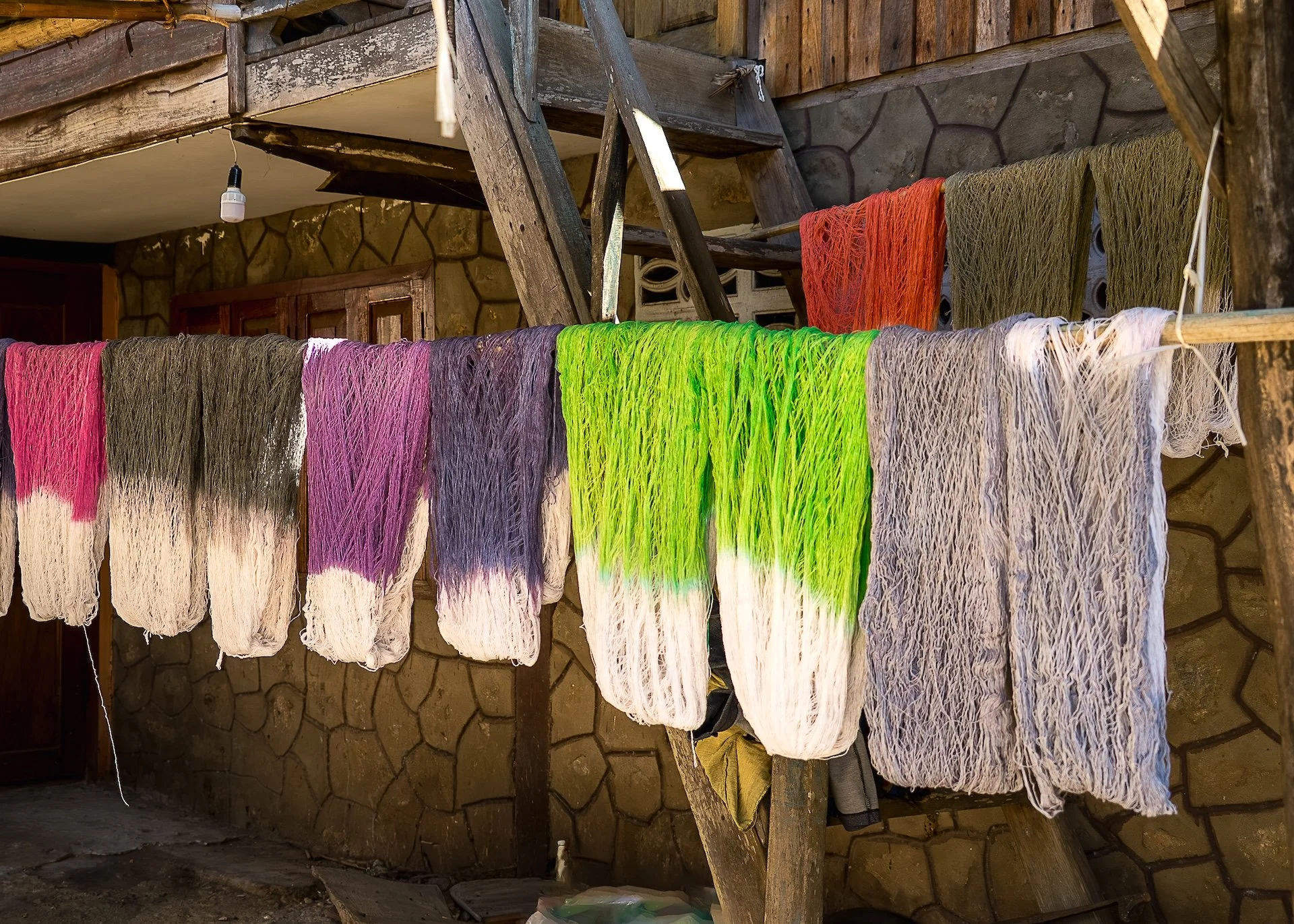
Many local families in Laos weave traditional fabrics by hand, harvesting and preparing fibers, dyeing threads with natural colors, and meticulously weaving patterns on backstrap or foot-operated looms to create cloth for sale.
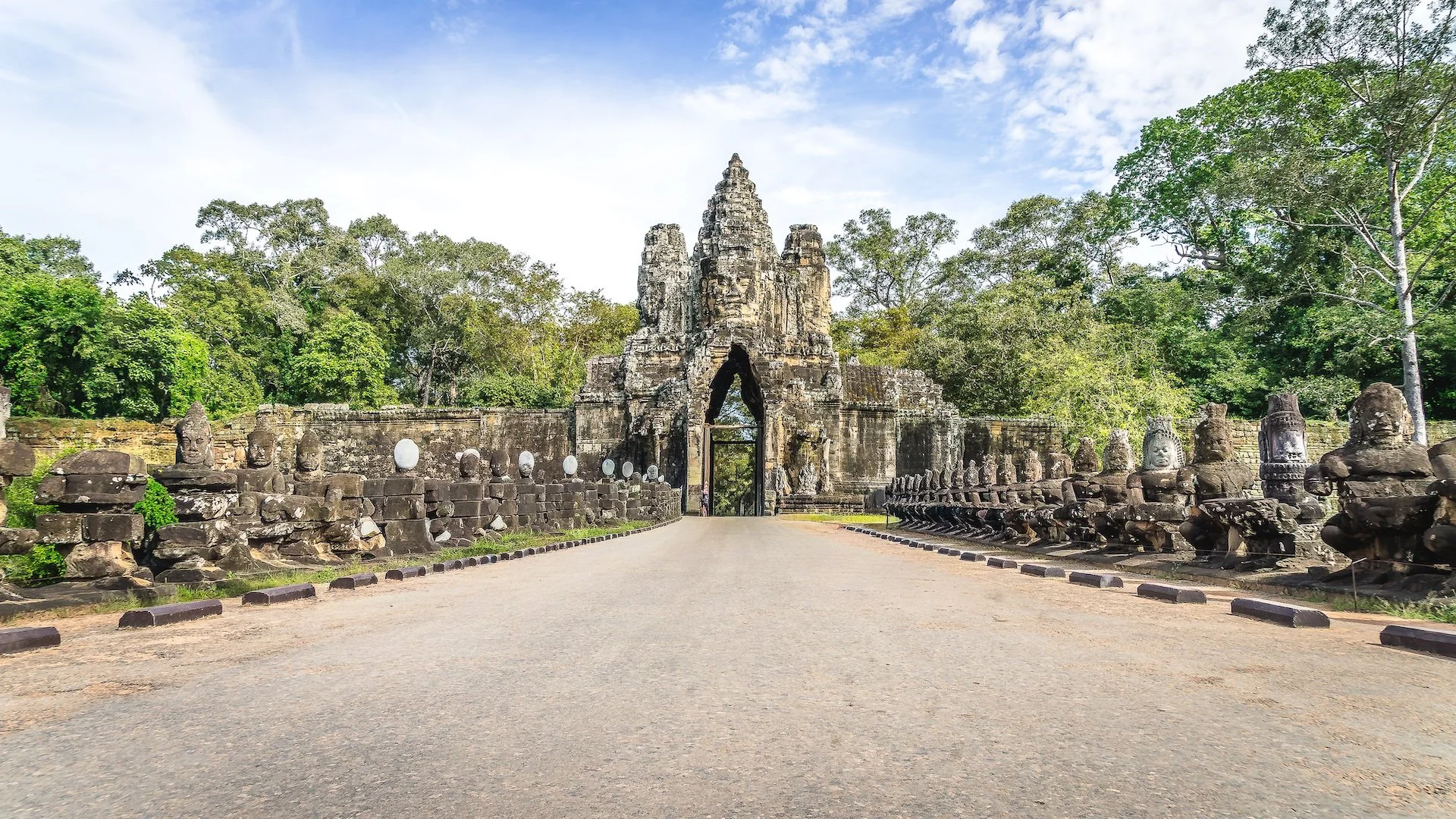
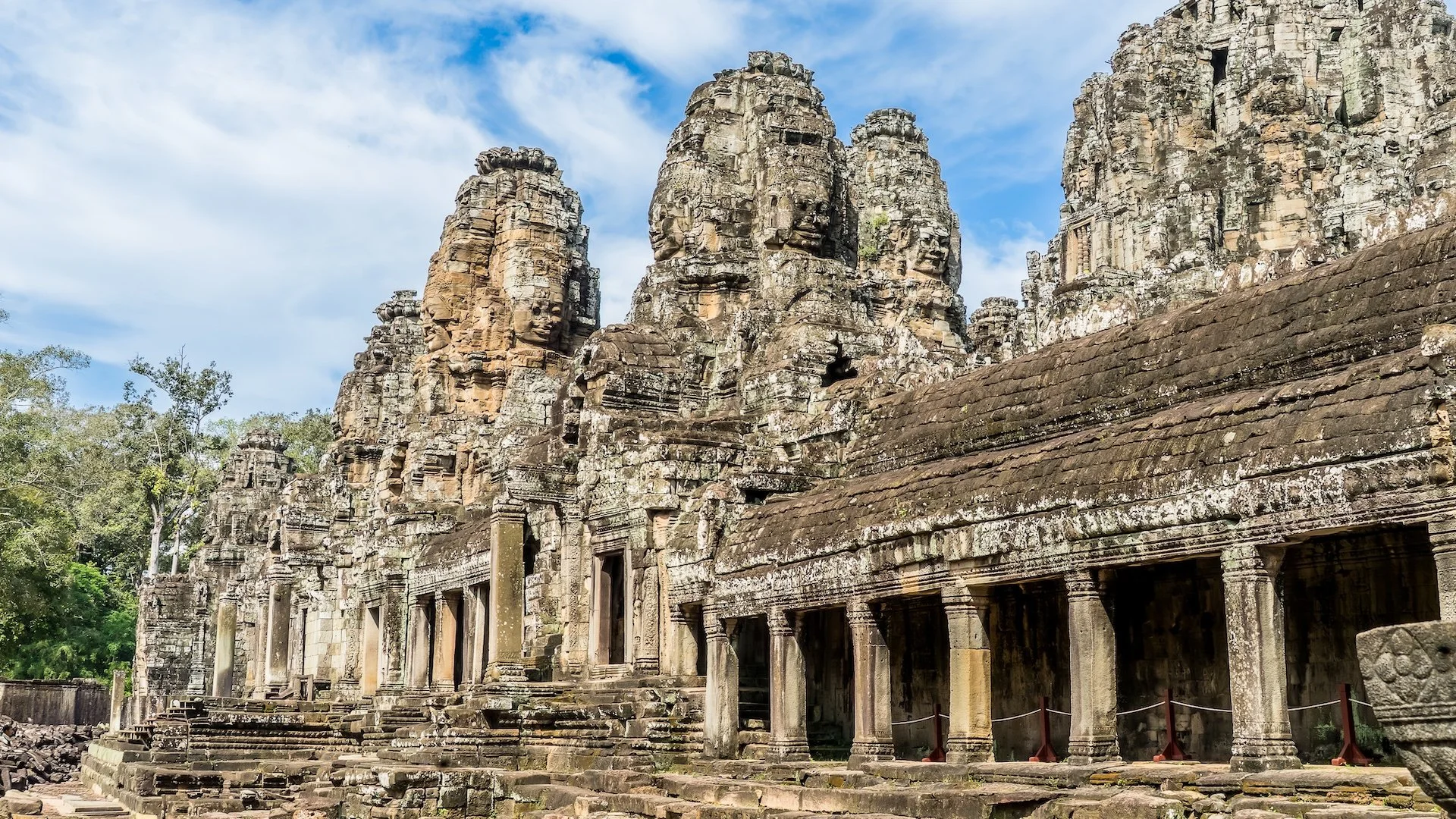
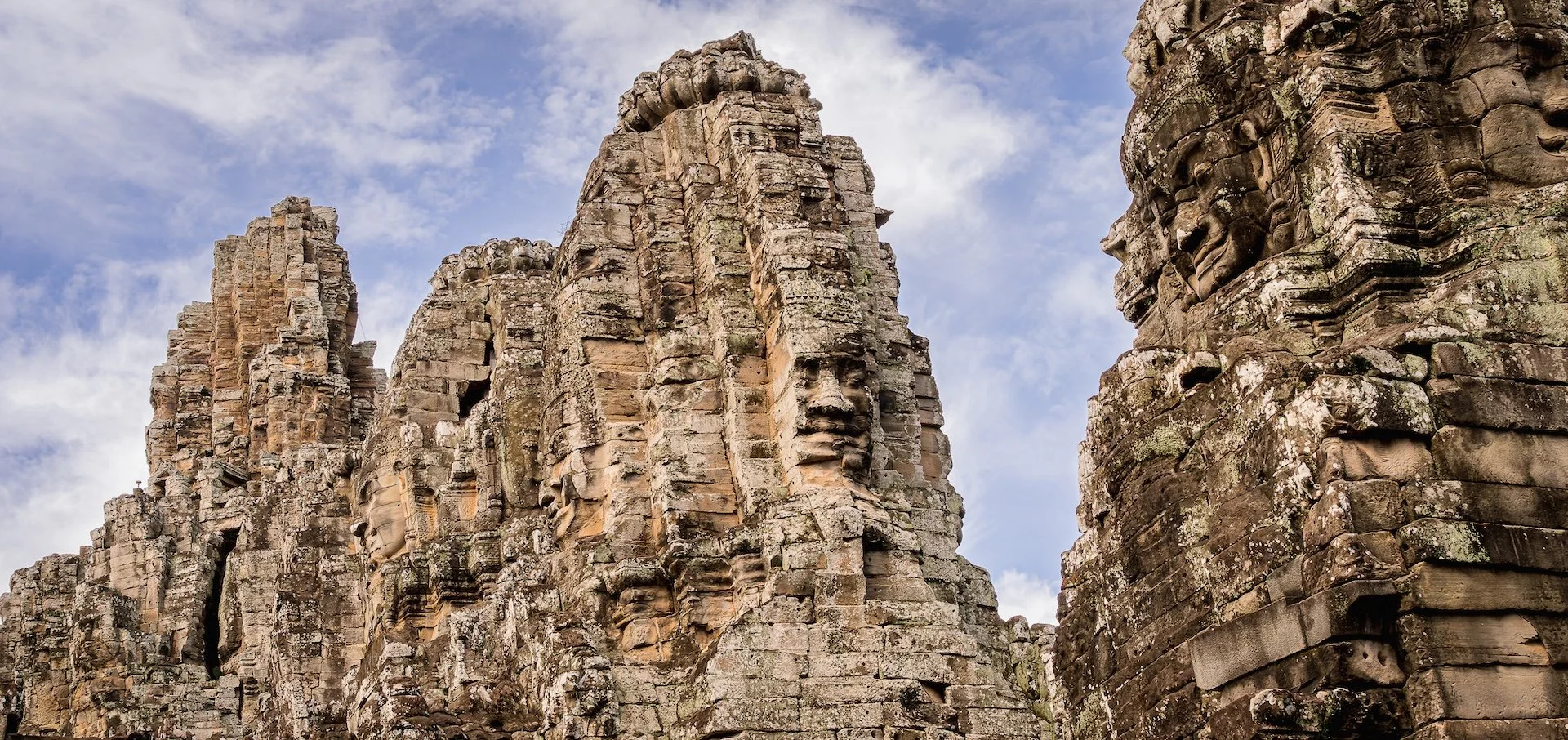
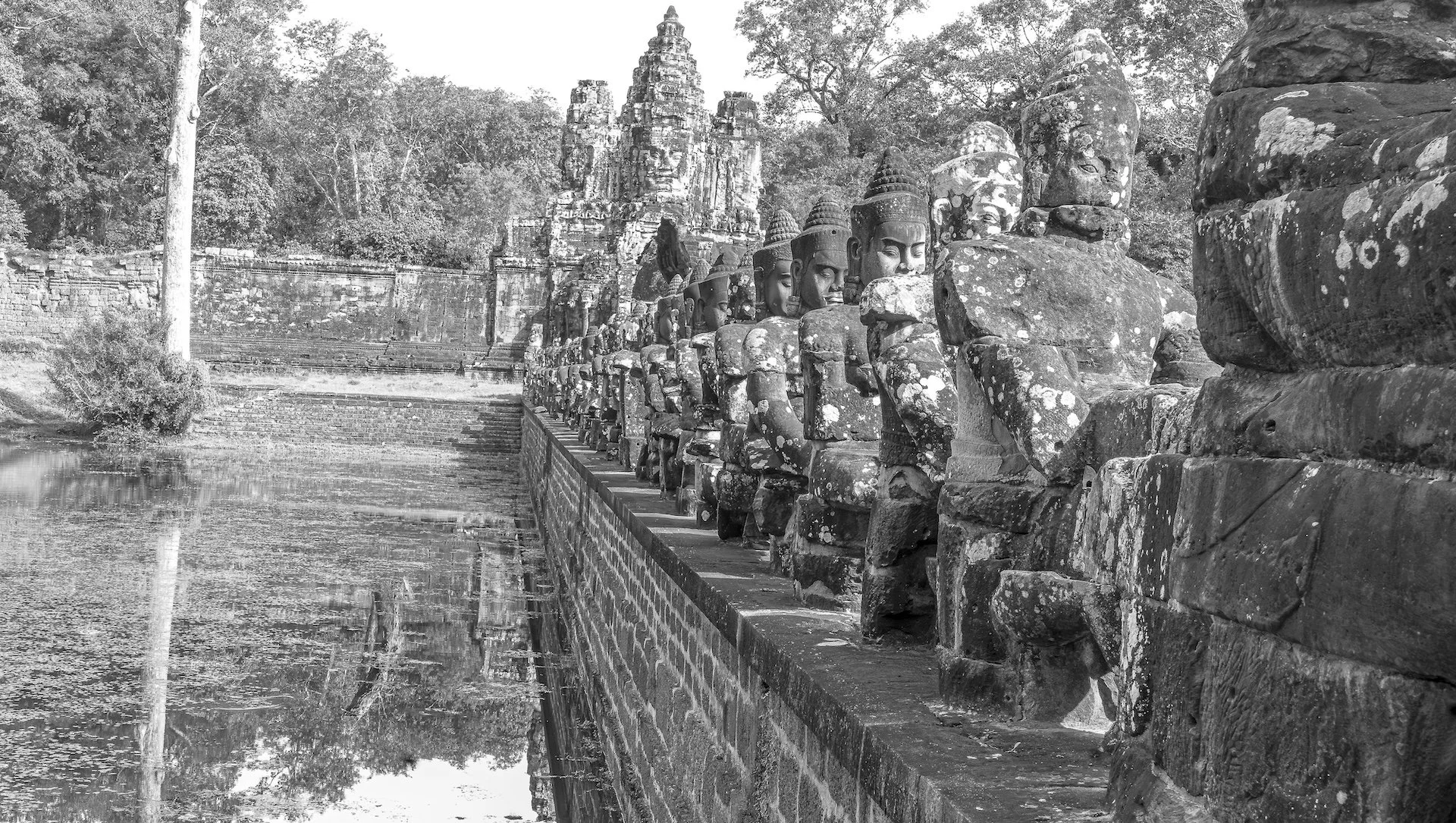
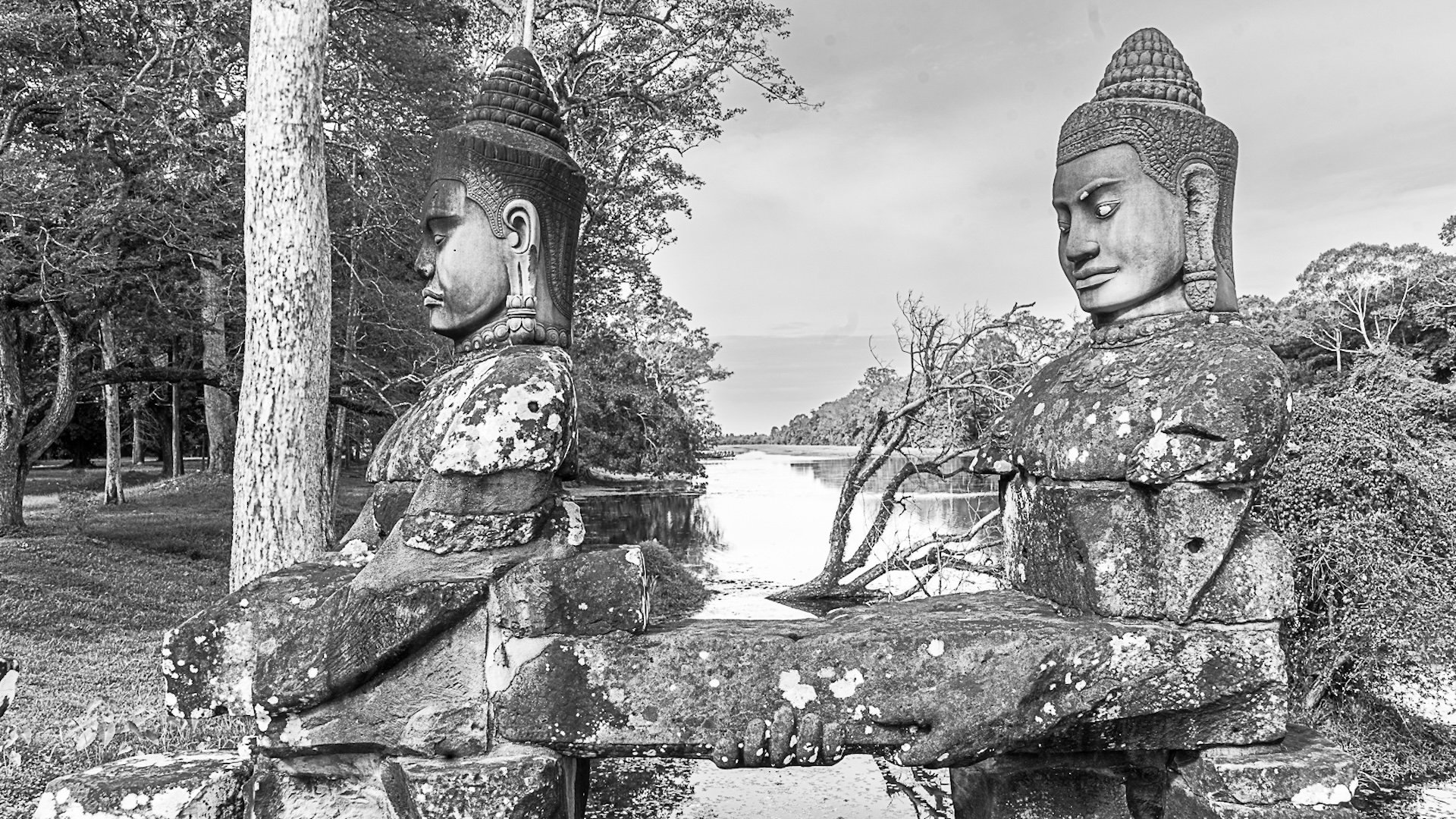
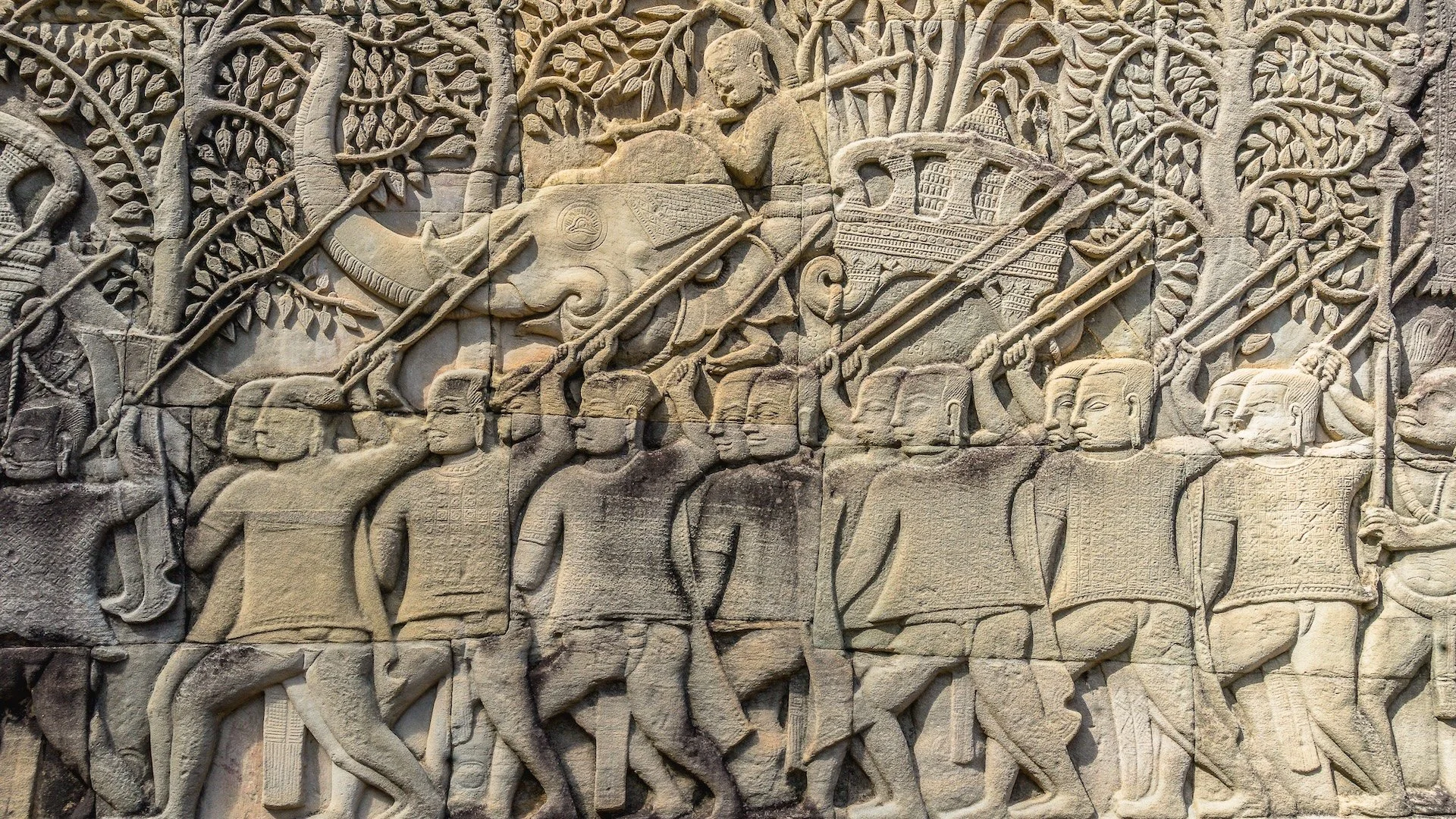
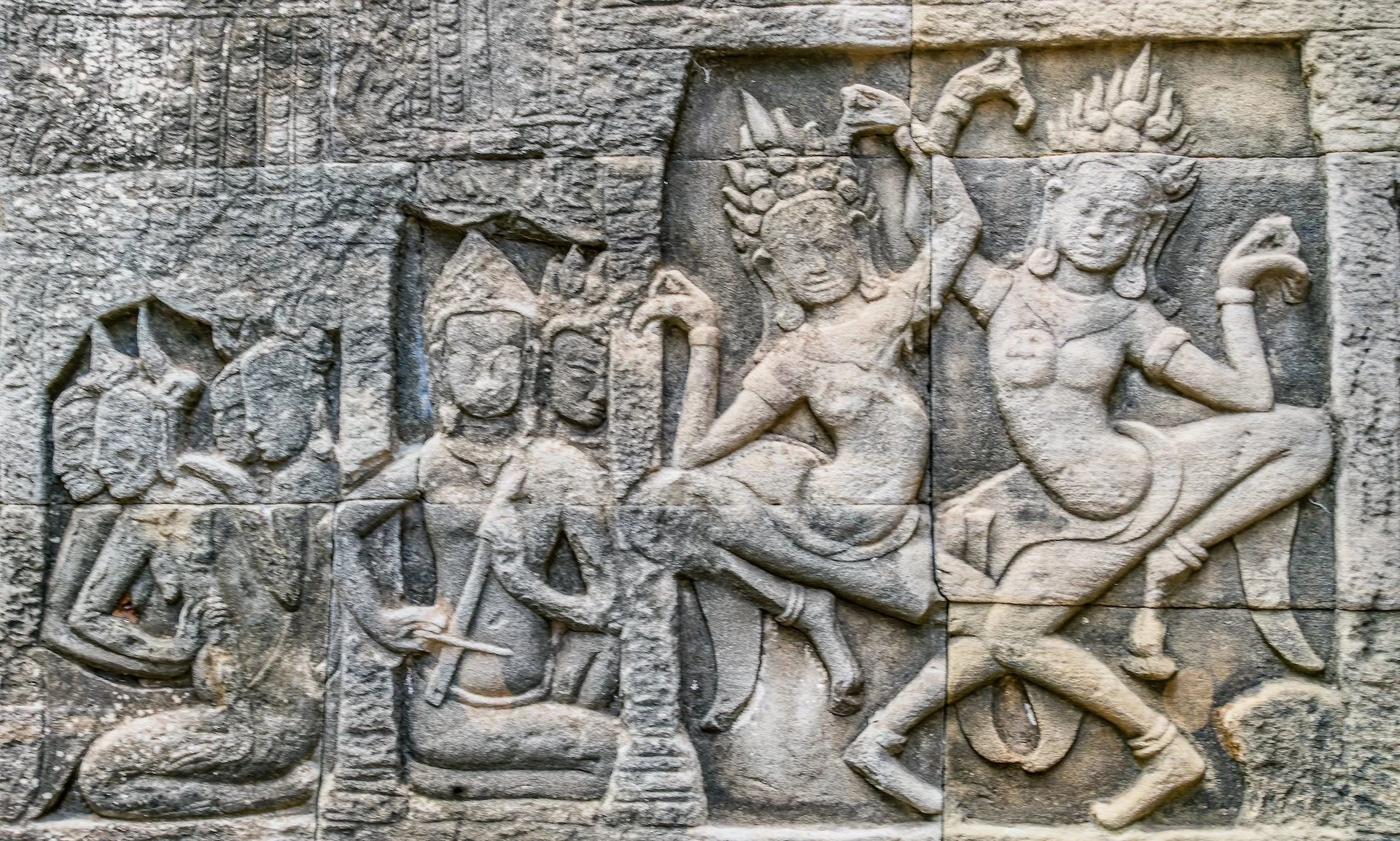
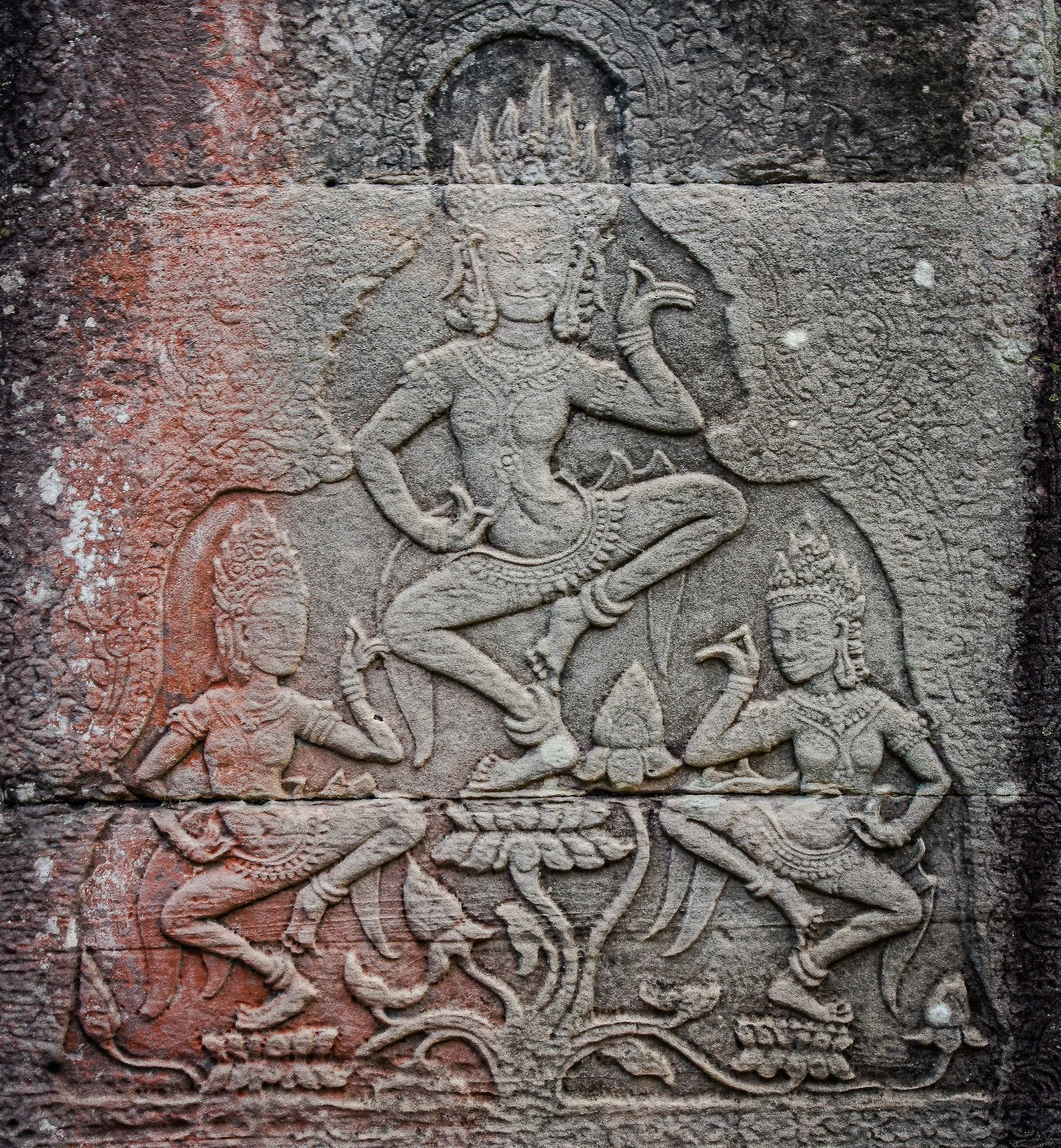
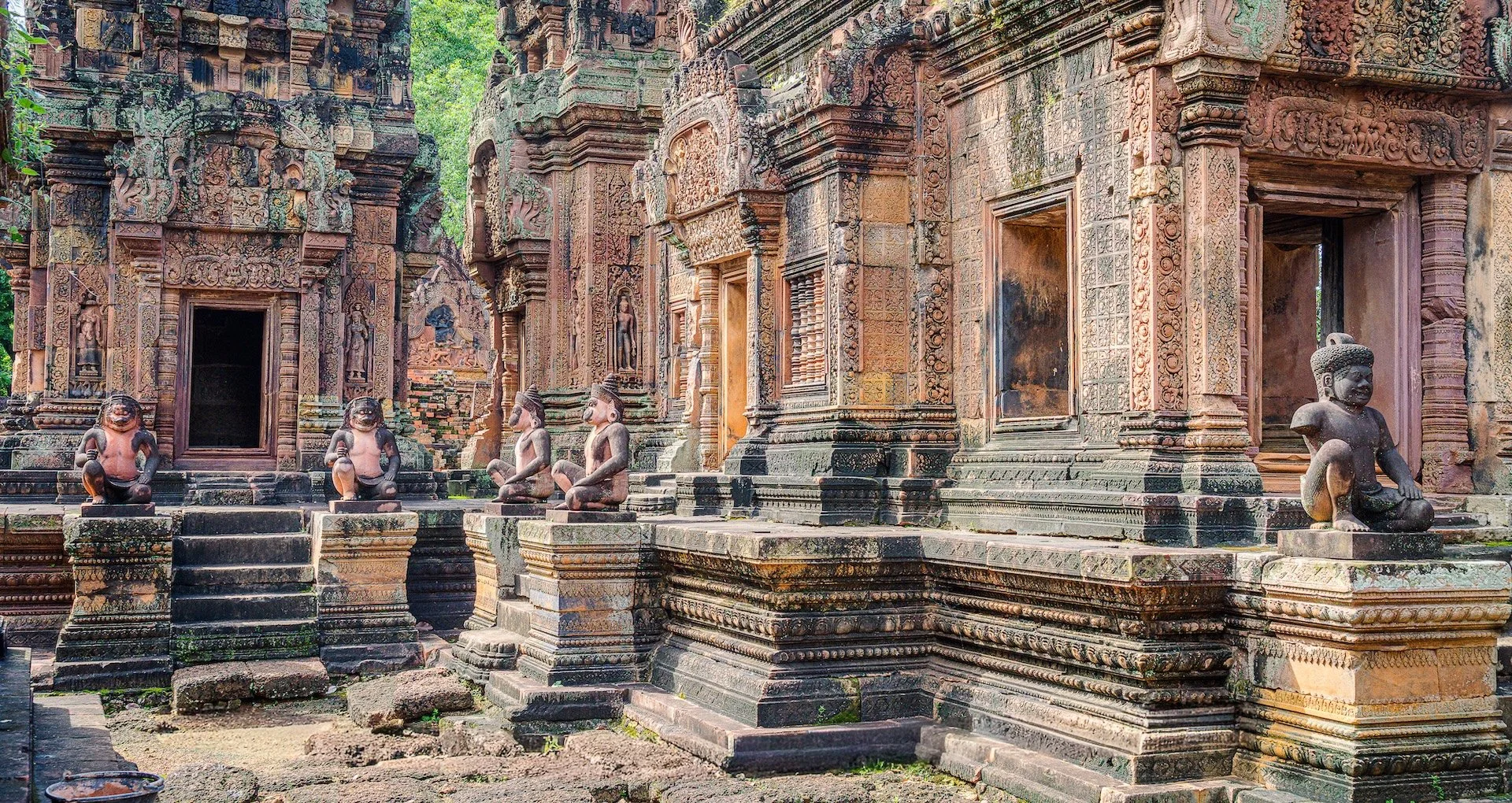
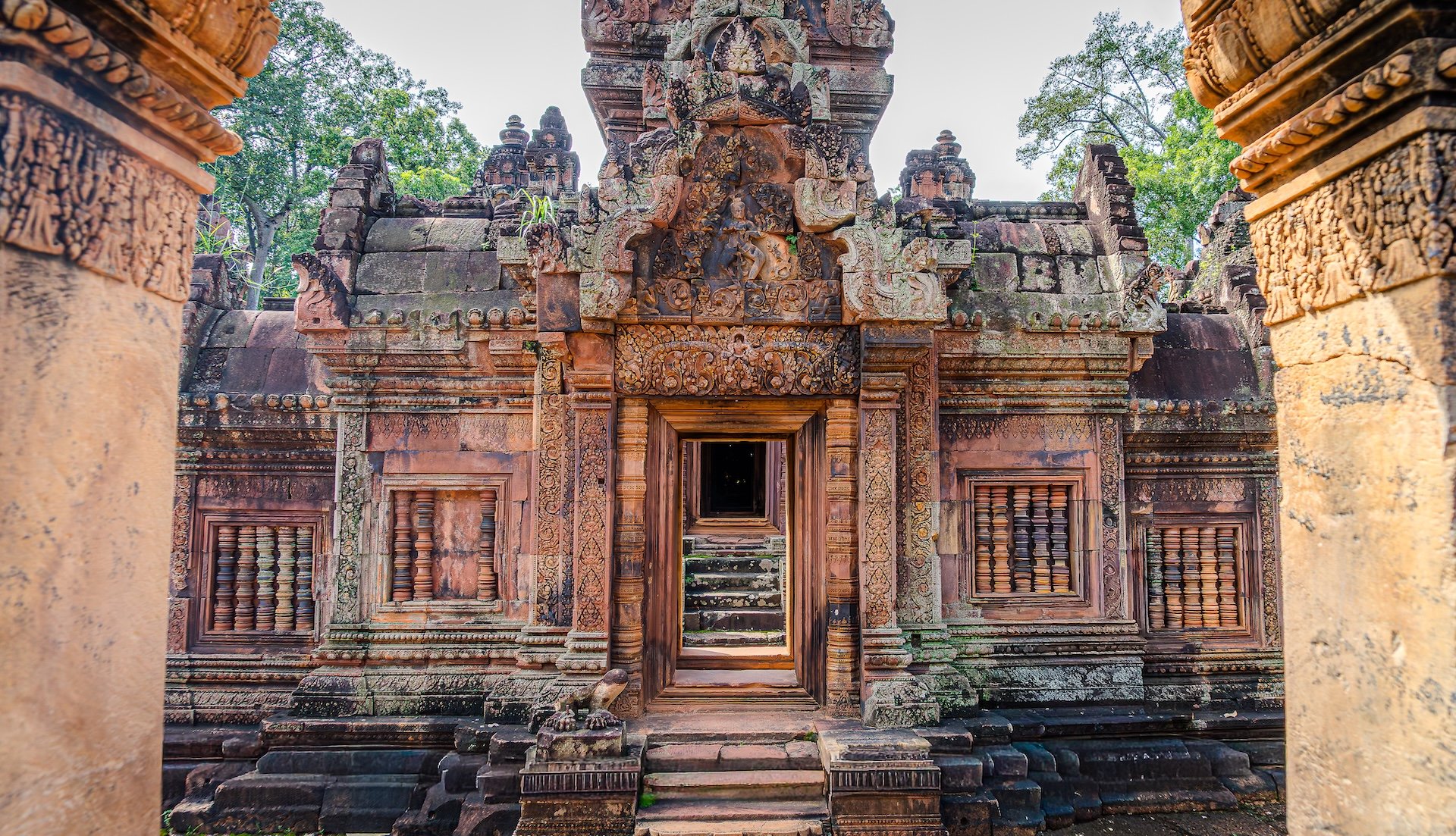
Cambodia's culture and religion are deeply intertwined, with Theravada Buddhism, ancestral veneration, and centuries-old Angkorian traditions weaving together to shape daily life, artistic expression, social customs, and communal identity across villages and cities.
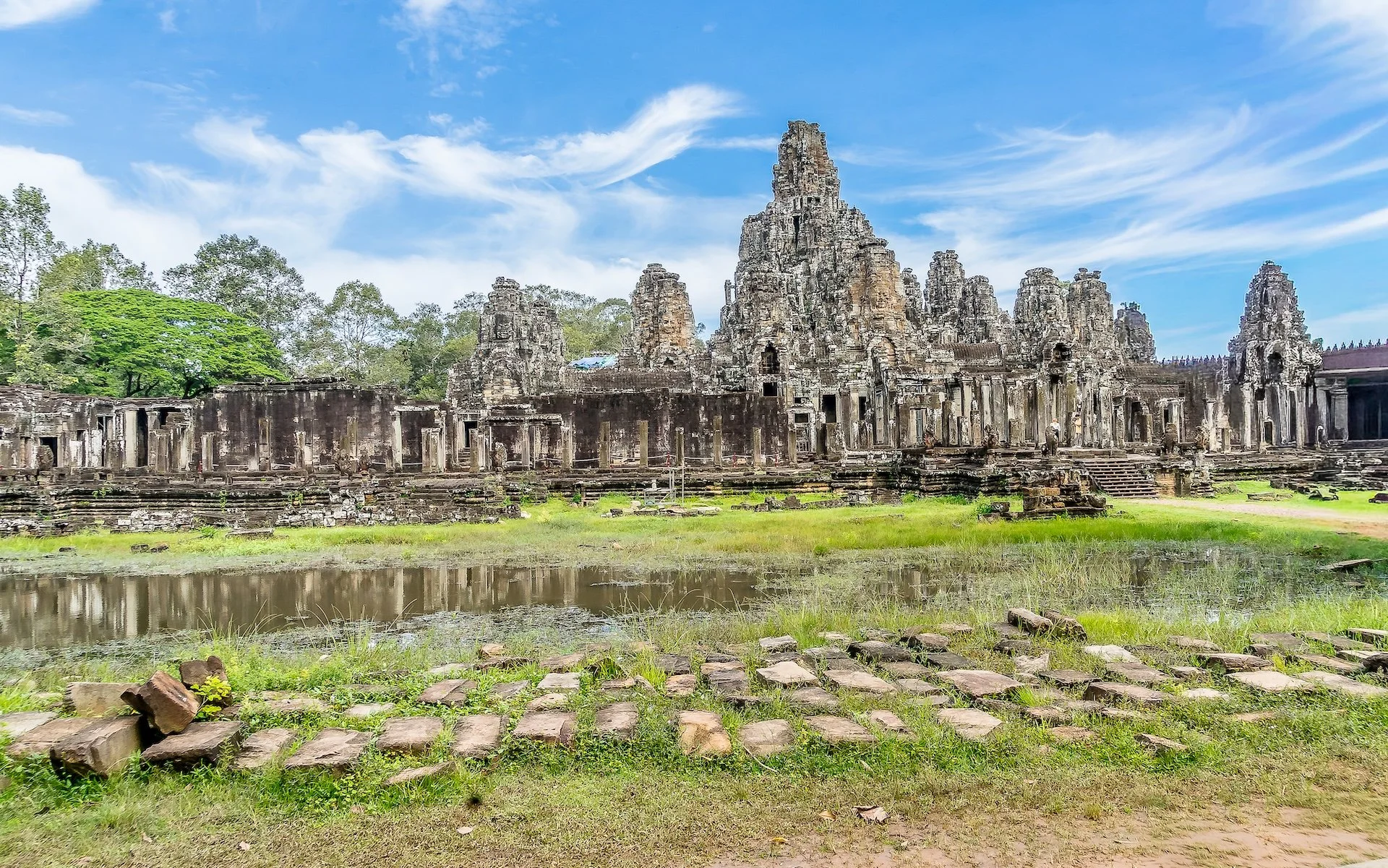
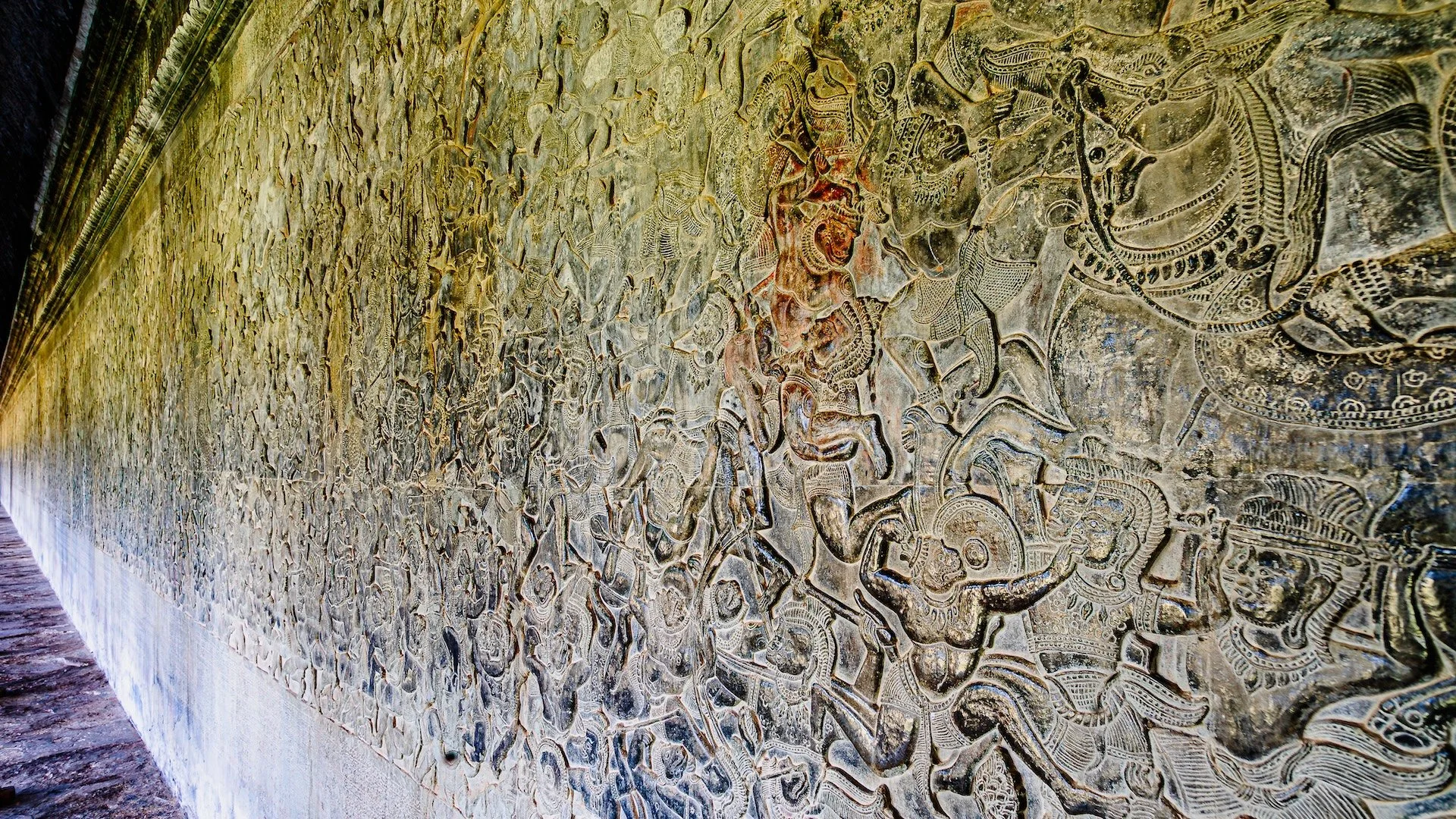
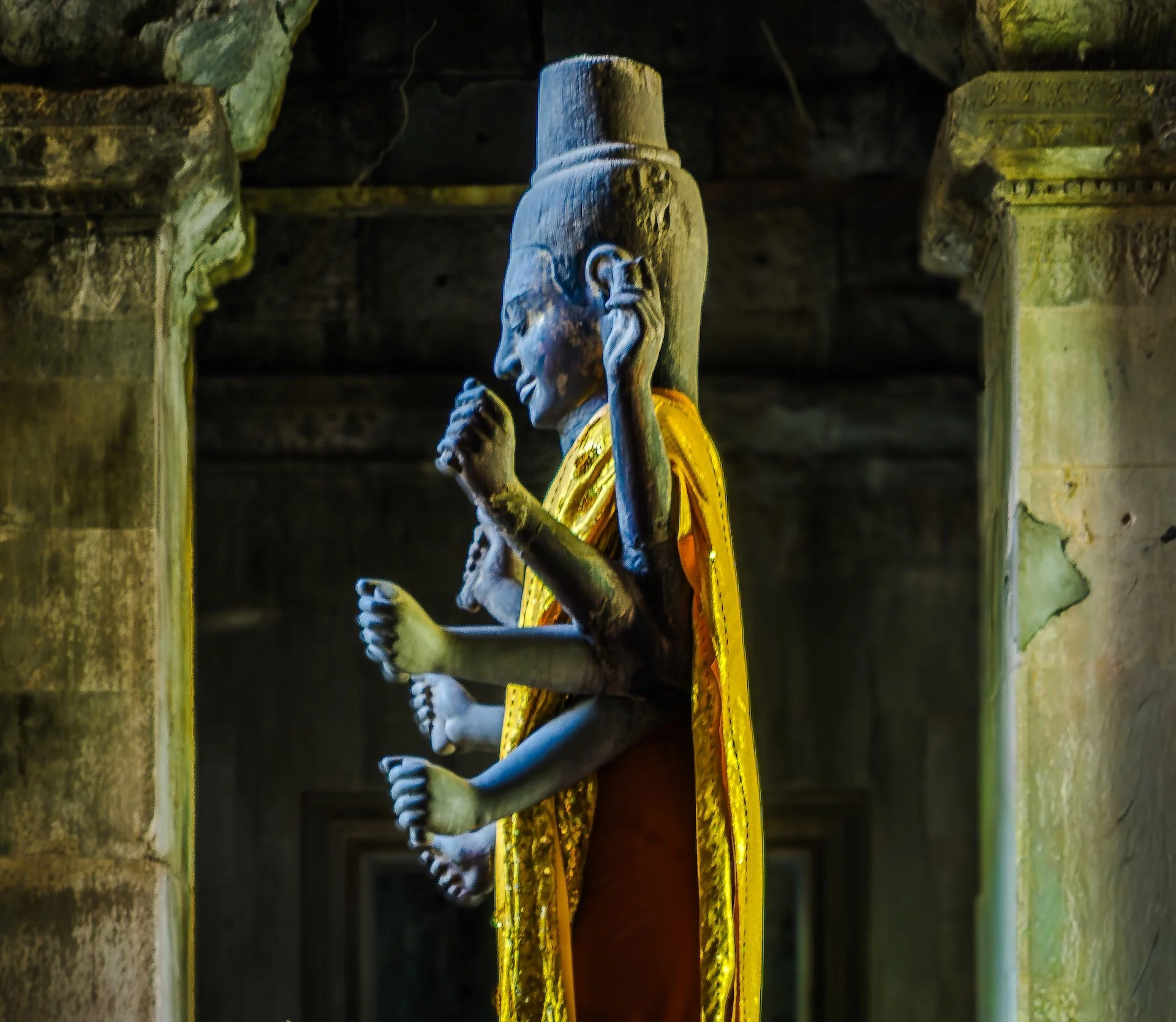
Angkor Wat is a monumental 12th-century Khmer temple complex near Siem Reap, Cambodia, famed for its soaring towers, intricate bas-reliefs, and profound cultural significance.
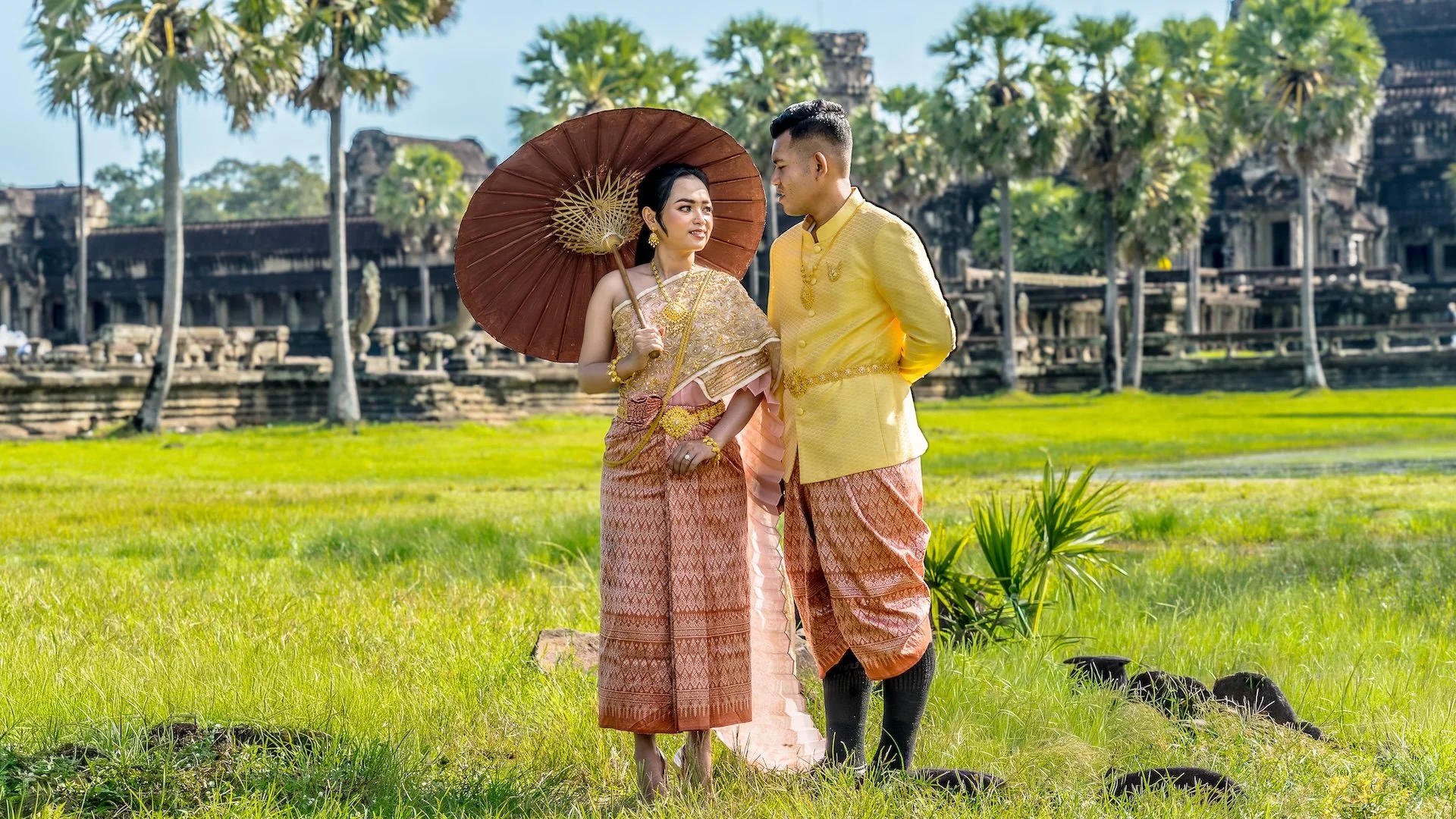
A Cambodian newlywed couple stands hand in hand beneath a golden sunrise, their smiles reflecting quiet joy and the promise of a shared journey ahead.
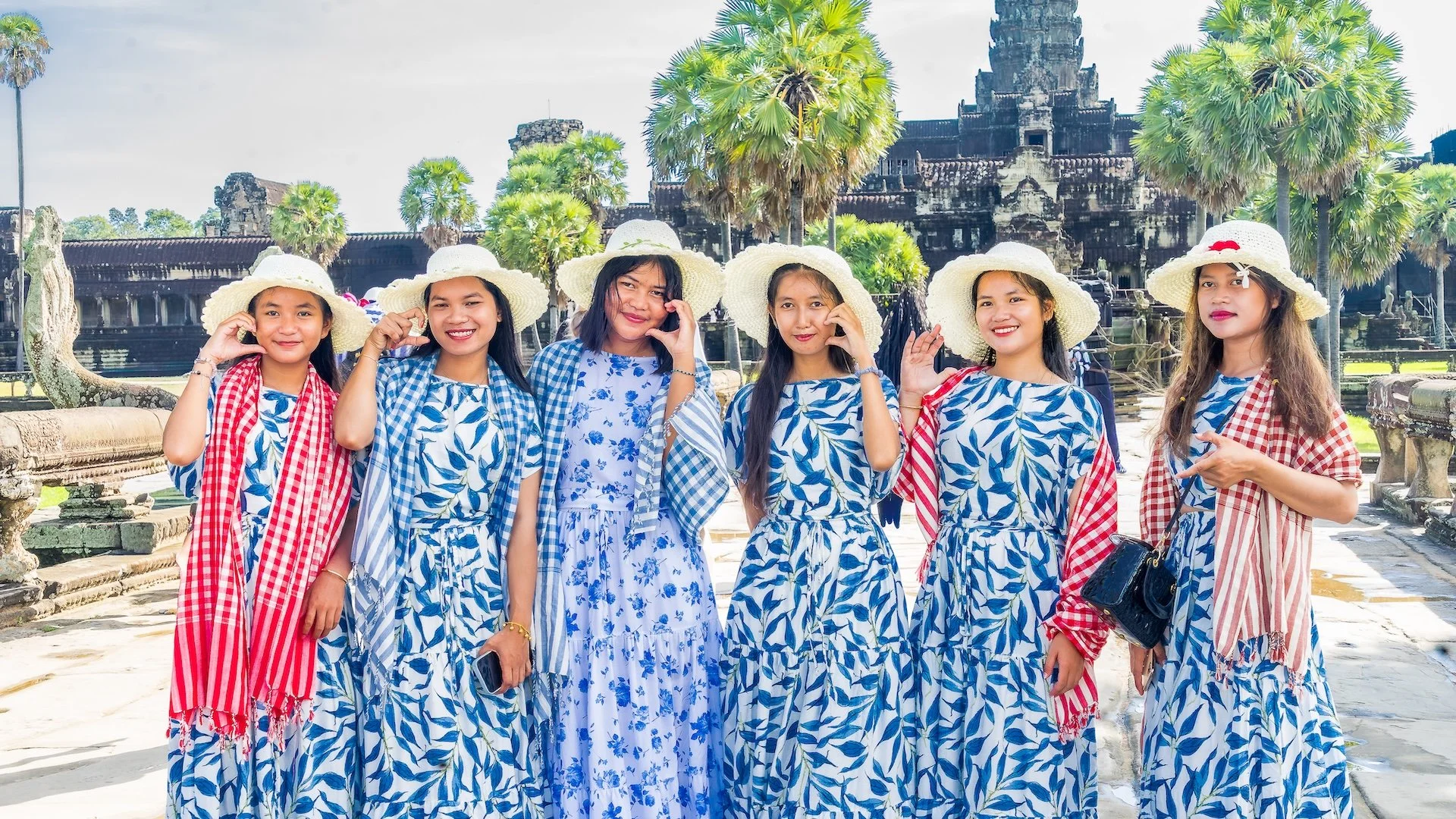
Laughter echoed across the ancient stone as a group of Vietnamese high school girls explored Angkor Wat, turning a history lesson into a joyful field trip.
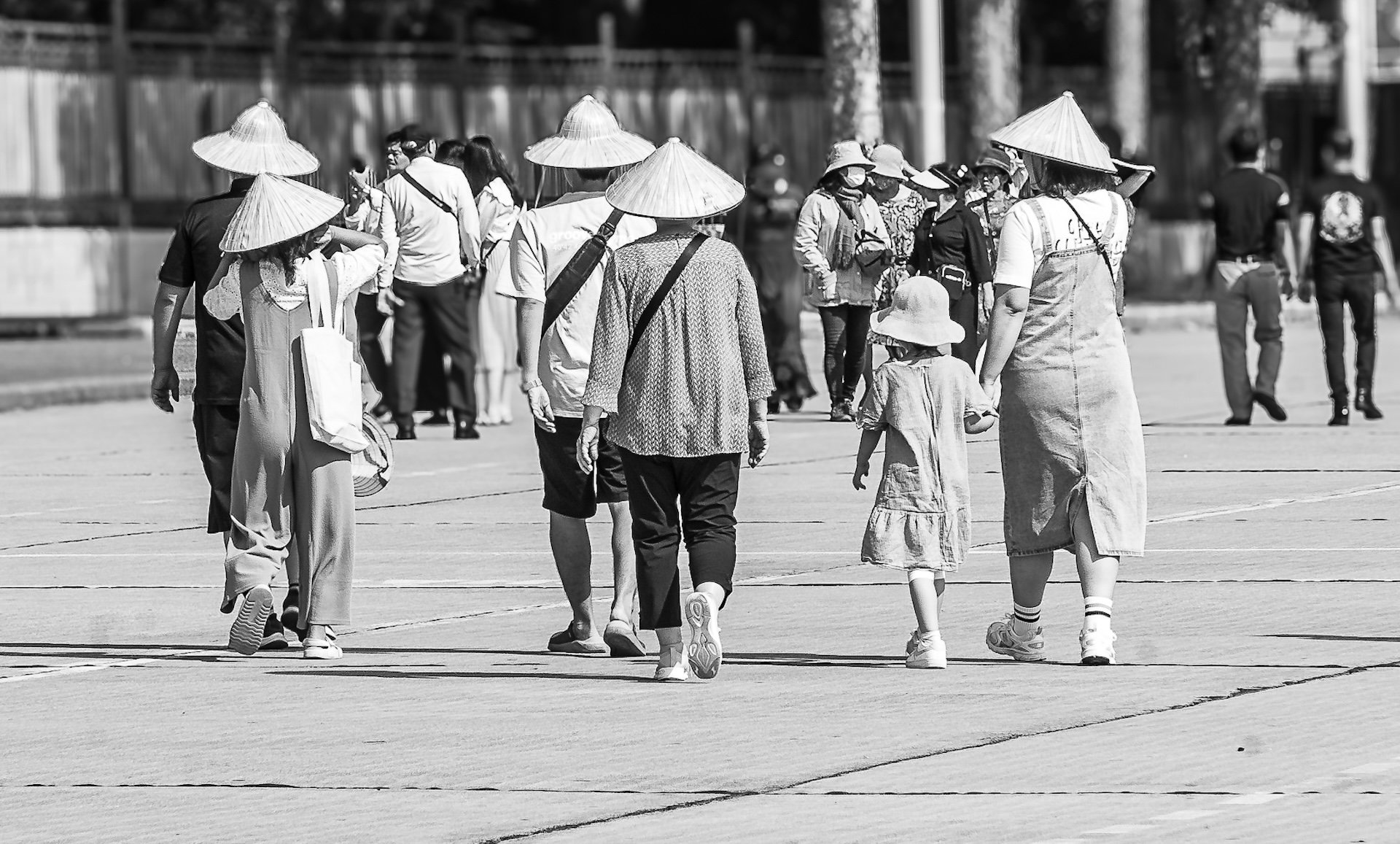
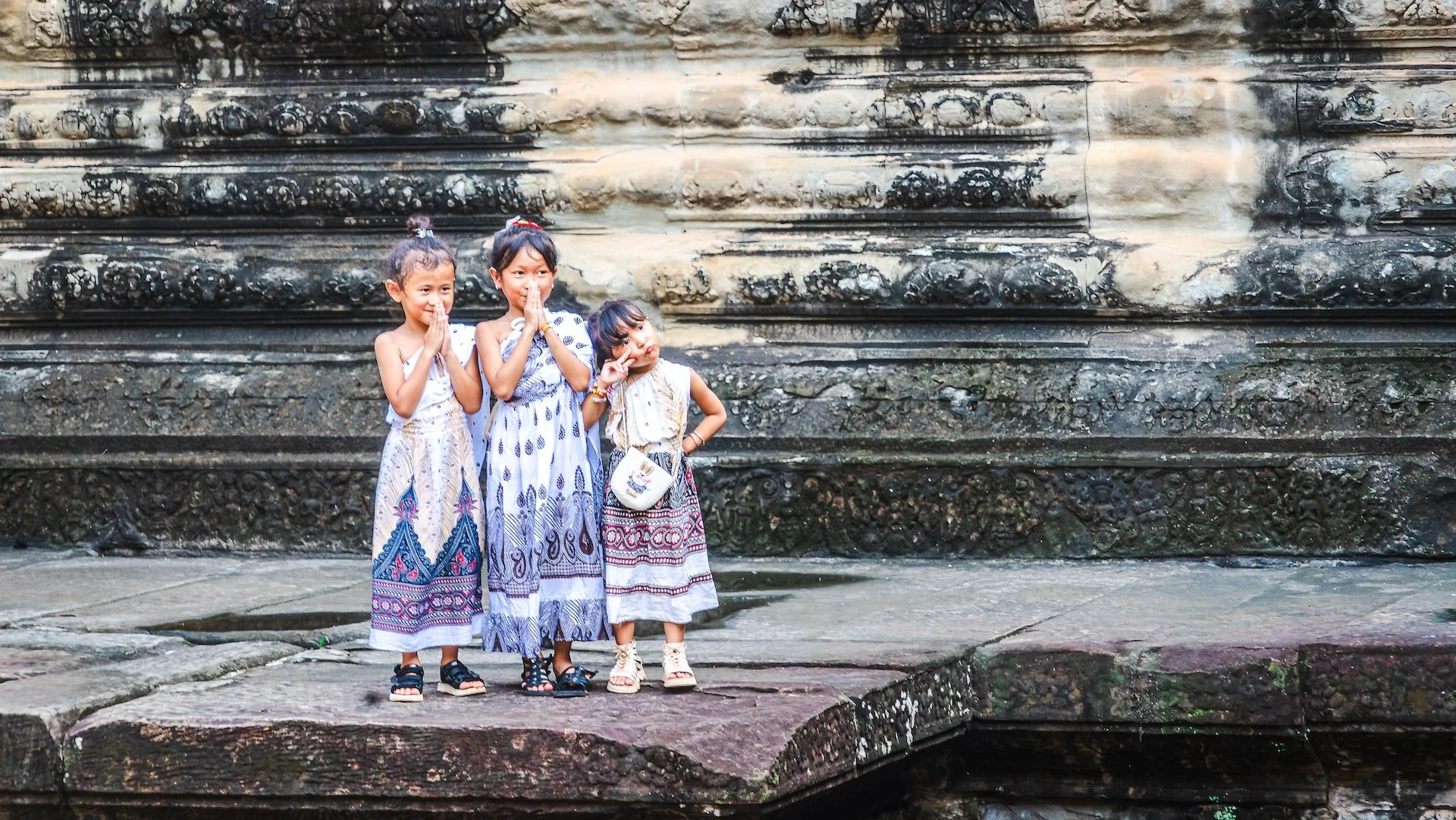
Three small girls skip along the sunlit path, hands brushing their parents’ and grandparents’ as they walk. One hums a tune, another twirls, and the smallest clings close, eyes wide with wonder at every step. Laughter threads through the family like a soft ribbon, each generation moving together—safe, steady, and full of quiet love.
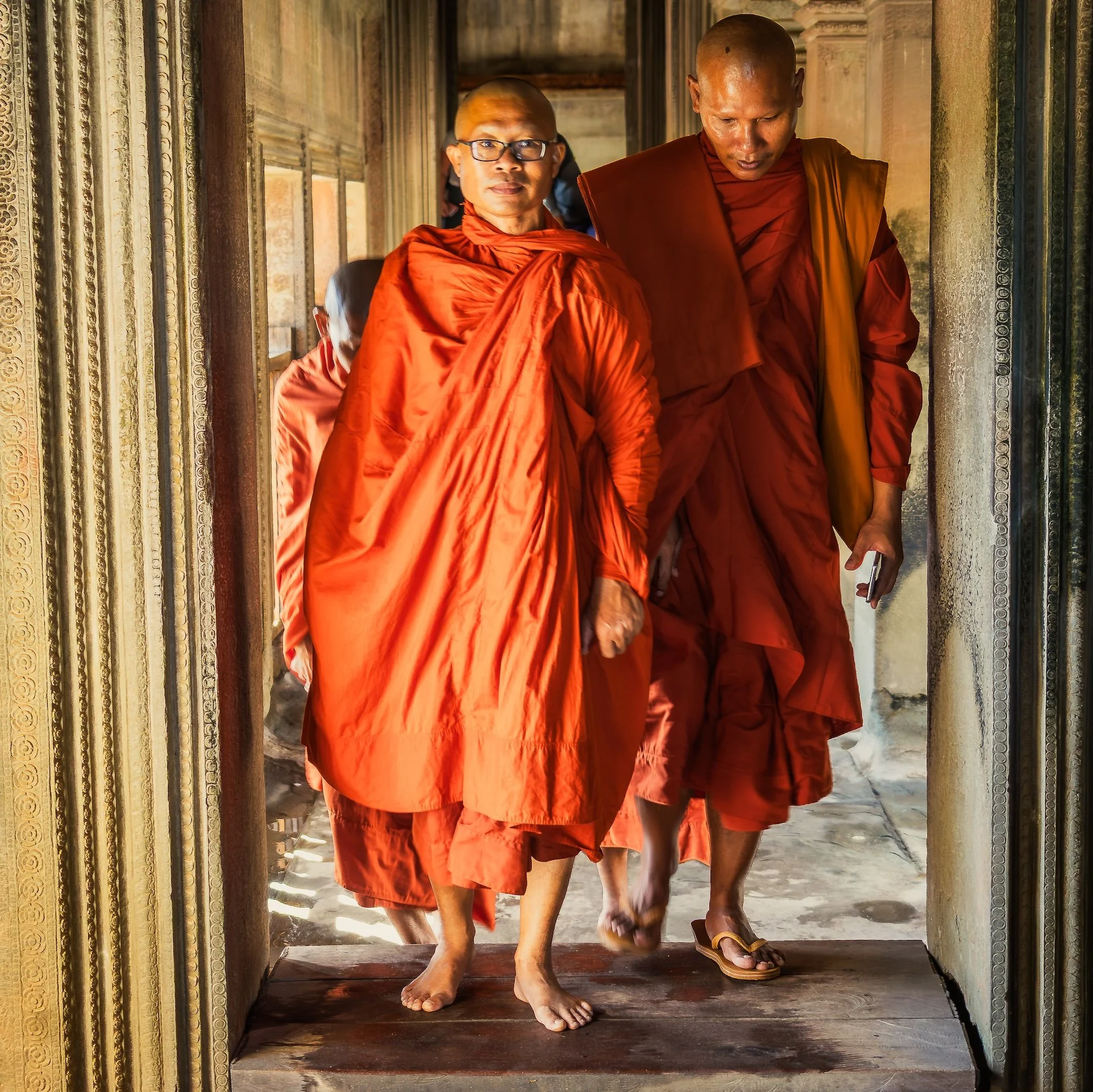
Draped in simple robes, the monks moved with quiet reverence through the temple's sunlit courtyards, tracing ancient stones with prayerful eyes as if each step were both pilgrimage and discovery.